
سردک در تاریکی؛ ۷ سال انتظار برای برقرسانی
تلویزیون رُژن | چهارشنبه ۱۵ مرداد ۱۴۰۴ خورشیدی / ۶ اوت ۲۰۲۵ میلادی
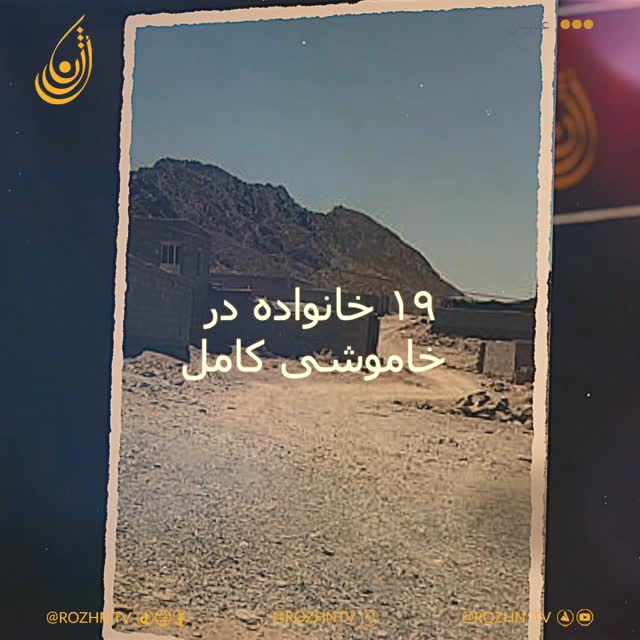
۱۹ خانواده بلوچ بیبرق در فاصله ۷۵ متری از شبکه برق
در حالی که تنها ۷۵ متر با تیر برق فاصله دارند، ۱۹ خانواده ساکن در روستای سردک از توابع بخش کلهگان در شهرستان گلشن (استان سیستان و بلوچستان)، همچنان در خاموشی مطلق زندگی میکنند. این خانوارها بیش از هفت سال است که در این منطقه ساکناند، اما تاکنون هیچ اقدام موثری از سوی نهادهای مسئول برای تأمین برق این روستا صورت نگرفته است.
ساکنان سردک در شهرستان گلشن از نبود ابتداییترین خدمات زیرساختی در منطقهشان گلایه دارند؛ در گرمای طاقتفرسای تابستان، بدون کولر و یخچال، و در شبهای سرد زمستان، بدون وسایل گرمایشی برقی. کودکان این خانوادهها در شرایط سختی بزرگ میشوند و زنان و مردان بلوچ این منطقه که عمدتاً به کشاورزی یا کارهای ساده روزمره مشغولاند، همواره نگران سلامت و آسایش خانوادههایشان هستند.
با وجود نزدیکی تیرهای برق و گذشت چندین سال از سکونت این مردم در روستا، هنوز برقرسانی صورت نگرفته و مراجعات مکرر به ادارات مسئول بدون پاسخ مانده است. این وضعیت باعث یأس، ناامیدی و احساس نادیدهگرفتهشدن در میان خانوادههای محلی شده است.
روستای سردک از توابع بخش کلهگان در شهرستان گلشن تنها یک نمونه از دهها روستای بلوچنشین است که از ابتداییترین حقوق شهروندی و دسترسی به خدمات محروم ماندهاند. در چنین شرایطی، مردم این منطقه انتظار دارند که مسئولان استانی و ملی با دیدی انسانی و مسئولانه وارد عمل شوند و راهحلی عملی برای تأمین برق پایدار این خانوادهها فراهم کنند.
نداشتن برق، تنها نداشتن نور نیست؛ این یعنی نداشتن امنیت، آموزش، سلامت، ارتباط با جهان و آیندهای روشن.
اکنون زمان آن است که صدای سردک شنیده شود.
ENSardak in the Dark: 7 Years of Waiting for ElectricityRead in English
Rozhn TV | Wednesday, August 6, 2025
19 Baloch families without power, 75 meters from the electricity grid
Though they are only 75 meters from an electricity pole, 19 families living in the village of Sardak, in Kalegan District of Golshan County (Sistan and Baluchestan Province), still live in total darkness. These households have lived in the area for more than seven years, yet so far the responsible bodies have taken no effective action to supply the village with electricity.
Residents of Sardak in Golshan County complain of the lack of the most basic infrastructure services in their area: in the scorching summer heat, without air conditioners and refrigerators, and on cold winter nights, without electric heating. The children of these families grow up in hard conditions, and the Baloch women and men of this area, who are mostly engaged in farming or simple daily jobs, are constantly worried about the health and comfort of their families.
Despite the proximity of the power poles and the passing of several years since these people settled in the village, electrification has still not taken place, and repeated visits to the responsible offices have gone unanswered. This situation has caused despair, hopelessness and a sense of being ignored among the local families.
The village of Sardak, in Kalegan District of Golshan County, is just one example of dozens of Baloch-populated villages that remain deprived of the most basic citizenship rights and access to services. In such circumstances, the people of this area expect provincial and national officials to act with a humane and responsible outlook and to provide a practical solution for supplying these families with stable electricity.
Having no electricity is not just having no light; it means having no security, education, health, connection with the world, or bright future.
Now is the time for the voice of Sardak to be heard.



