سربازان خاک: نگرانی از ادغام نیروی لیویز بلوچستان در پلیس
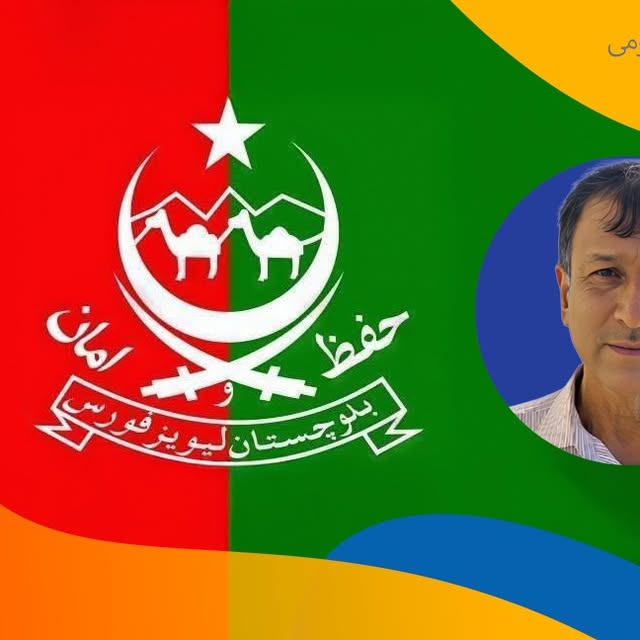
در نوزدهم اکتبر، در سرزمین تاریخی قلات، نیروهای لیویز بلوچستان دست به تظاهرات گستردهای زدند. این اعتراض نه برای حقوق و مزایا، بلکه برای حفظ موجودیت نیرویی بود که بیش از یک قرن است به عنوان نماد بومی، تاریخی و اجتماعی بلوچستان شناخته میشود. تصمیم دولت بلوچستان مبنی بر ادغام نیروی لیویز در پلیس، موجی از نگرانی در سراسر استان برانگیخته است. از قلات، خضدار، نوشکی، پنجگور تا کیچ، نیروهای لیویز به خیابانها آمدهاند و شعار میدهند: «لیویز هویت ماست، دفاع از سرزمین حق ماست!»
نیروی لیویز بلوچستان بخشی از ساختار تاریخی، اجتماعی و سیاسی این سرزمین است. در سال ۱۸۳۹، هنگامی که بریتانیا سلطه خود را بر بلوچستان تحمیل کرد، از میان قبایل محلی محافظانی داوطلب برگزیده شدند که «Levies» نام گرفتند.
در سال ۱۹۴۸، زمانی که بلوچستان به پاکستان ضمیمه شد، دولت جدید همان نظام استعماری پیشین را ادامه داد و نیروی لیویز را حفظ کرد. این نیرو تحت نظر معاون کمیسر فعالیت میکرد و وظیفهاش حفظ امنیت در مناطق قبیلهای، اجرای احکام قضایی و حل اختلافات محلی بود.
در سال ۱۹۷۰، با تبدیل بلوچستان به یک ایالت رسمی، نیروی لیویز تحت وزارت امور داخله ایالتی سازماندهی مجدد شد. امروزه بیش از ۹۰ درصد مناطق روستایی و قبیلهای بلوچستان هنوز متکی بر سیستم لیویز هستند.
در سال ۲۰۰۳، در دوران ژنرال پرویز مشرف، دولت مرکزی کوشید سیستم پلیس را در سراسر بلوچستان جایگزین لیویز کند و این نیرو را منحل نمود. اما این تجربه به شکستی آشکار انجامید؛ نیروهای پلیس تازهوارد با شرایط محلی بیگانه بودند و در میان مردم هیچ جایگاه و اعتمادی نداشتند.
ENSoldiers of the Soil: Concern Over Merging of Balochistan Levies Force Into the PoliceRead in English
On October 19, in the historic land of Kalat, Balochistan’s Levies forces staged a large demonstration. The protest was not about pay and benefits but about preserving the existence of a force that has been known for more than a century as an indigenous, historical and social symbol of Balochistan. The Balochistan government’s decision to merge the Levies force into the police has set off a wave of concern across the province. From Kalat, Khuzdar, Nushki and Panjgur to Kech, Levies personnel have come out onto the streets chanting: “The Levies are our identity, defending the land is our right!”
The Balochistan Levies force is part of the historical, social and political structure of this land. In 1839, when Britain imposed its rule over Balochistan, volunteer guards were chosen from among the local tribes and were called “Levies.”
In 1948, when Balochistan was annexed to Pakistan, the new government continued the same former colonial system and kept the Levies force. The force operated under the deputy commissioner, and its duties were maintaining security in tribal areas, enforcing court orders and resolving local disputes.
In 1970, when Balochistan became a formal province, the Levies force was reorganized under the provincial Home Department. Today, more than 90 percent of Balochistan’s rural and tribal areas still depend on the Levies system.
In 2003, during the era of General Pervez Musharraf, the central government tried to replace the Levies with the police system across Balochistan and dissolved the force. But this experiment ended in clear failure; the newly arrived police forces were strangers to local conditions and had no standing or trust among the people.