زنِ بینام
گزارش تلویزیون رُژن | پنجشنبه ۸ آبان ۱۴۰۴ خورشیدی / ۳۰ اکتبر ۲۰۲۵ میلادی
عزیز سنگھور
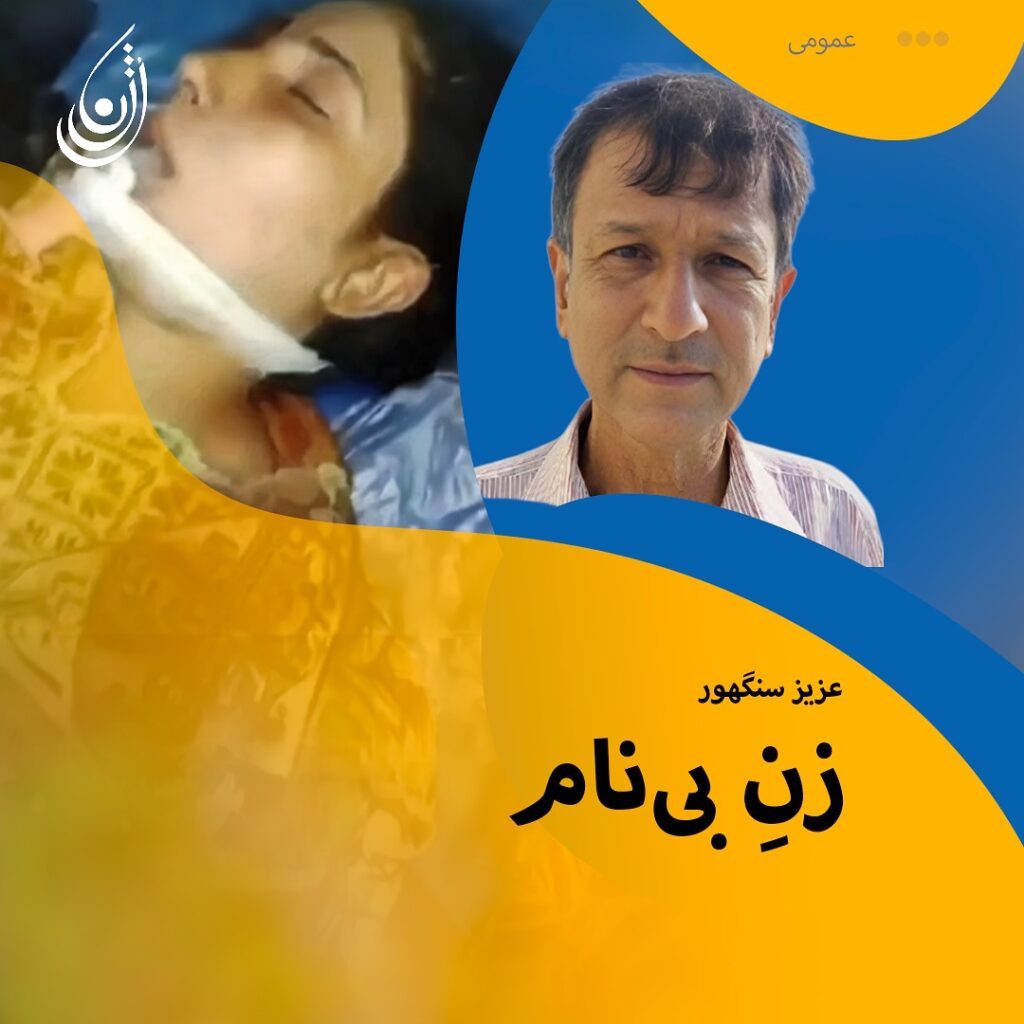
بار دیگر خاک بلوچستان با خون آلوده شد، اما این بار نه با گلوله و انفجار، بلکه با قتلِ زنی که هویت خود را از دست داد. در منطقهی «پنچی» از شهرستان پنجگور، زنی را پس از شکنجهی وحشیانه در حالیکه نیمهجان بود، جلوی دروازهی بیمارستان رها کردند. کارکنان بیمارستان او را بستری کردند، اما هنگام غروب خبر رسید که زنِ زخمی نتوانست تابِ جراحات را بیاورد و جان سپرد.
با انتشار این خبر، دلِ مردم پنجگور لرزید. حسِ انساندوستی آنان را بهسوی بیمارستان کشاند، در حالیکه شرم، اندوه و خشم در وجودشان موج میزد. در جامعهی بلوچ، زن نهتنها جنس لطیف، بلکه مظهر عزت، شرف و حرمت قبیله محسوب میشود. دستبلند کردن بر زن در عرف بلوچ، توهین به همهی ارزشهای اخلاقی و اجتماعی است، اما این بار نهتنها بر زنی ظلم شد، بلکه هویت او را نیز از میان بردند.
با آشکار شدن این فاجعه، سراسر بلوچستان در سوگ فرو رفت.
مسئولان بیمارستان پنجگور در گفتوگو با خبرنگاران اعلام کردند که زن را در حالت وخیم به بیمارستان آوردند. او بهشدت زخمی بود. پس از درمانِ اولیه، مقامات محلی با همکاری کادر پزشکی، مقدمات انتقال او را به کراچی فراهم کردند، اما متأسفانه او در مسیر، در منطقهی بیسمه، جان سپرد.
بهگفتهی مسئولان، مادرِ زن نیز در تمام این مدت همراهش بود. پیش از انتقال به کراچی، پزشکِ زن معاینهی کامل انجام داد و گزارش خود را ارائه کرد. طبق این گزارش، نشانهای از تجاوز جنسی مشاهده نشده است. این موضوع جنبهی تازهای به ماجرا میدهد و تا زمان انتشار نتایج نهاییِ کالبدشکافی و تحقیقات رسمی، قضاوت زودهنگام نادرست خواهد بود.
با این حال، واقعیت تلخ پابرجاست: زنی زخمی و بیپناه، در آستانهی مرگ به بیمارستان آورده شد و جان داد. در جامعهی بلوچ، چنین فاجعهای غیرقابلپذیرش است.
سؤال اینجاست که این زن که بود؟ چگونه به این وضعیت رسید؟ اگر تجاوزی در کار نبود، پس انگیزهی شکنجه چه بود؟
در سرزمینی چون بلوچستان که پیوندهای قبیلهای عمیق است و هر قبیله دیگری را میشناسد، ناشناخته ماندنِ یک زن، فاجعهای انسانی است. وقتی هویت زن در جامعه گم شود، انسانیت نیز میمیرد. زنِ بینام پنجگور امروز از تمام نظام عدالت میپرسد: اگر زن در امان نیست، پس قانون و نهادهای امنیتی برای چه هستند؟
بلوچستان سالهاست زیر سایهی ناپدیدشدنهای اجباری، قتلهای فراقانونی و سرکوب دولتی زخم خورده است. اکنون خشونت علیه زنان نیز به این دفتر تاریک افزوده شده است. چنین جنایاتی فقط علیه یک فرد نیست، بلکه توهینی به کل جامعه است. اما دریغ که دولت خاموش، ادارهها بیاعتنا و بزرگان محلی ساکتاند.
در مناطقی مانند پنجگور که خروج زن از خانه هنوز با محدودیتهای سنتی همراه است، پیدا شدن پیکر بیجانِ زنی ناشناس پرسشهای بسیاری را برمیانگیزد:
آیا او اهل همان منطقه بود؟ یا از جایی دیگر آورده شد؟
آیا ماجرا به قاچاق انسان، دشمنی شخصی یا نزاع خانوادگی مربوط است؟
پاسخ به این پرسشها تنها از طریق تحقیق شفاف و بیطرفانه ممکن است.
در فرهنگ بلوچ، زن همواره نماد مقاومت، عشق و مادری بوده است. ستم بر او تنها تحقیر یک انسان نیست، بلکه توهین به کلِ تمدن بلوچ است. مردم این سرزمین همیشه پاسدار حرمتهای خویش بودهاند.
اکنون بر دولت بلوچستان و نهادهای انتظامی فرض است که تحقیقاتی صادقانه و بیطرف انجام دهند، هویت این زن را آشکار سازند، خانوادهاش را شناسایی و به آنان عدالت برسانند، و اگر جنایتی رخ داده است، عاملانش را به اشد مجازات برسانند.
اگر این رویداد پنهان شود، این تنها قتلِ یک زن نخواهد بود، بلکه قتلِ وجدانِ جمعیِ جامعهی بلوچ است.
ENThe Nameless WomanRead in English
Rozhn TV | Thursday, October 30, 2025
Aziz Sanghur
Once again the soil of Balochistan has been stained with blood, but this time not by bullets and explosions but by the murder of a woman who lost her identity. In the “Panchi” area of Panjgur County, a woman was dumped in front of the hospital gate, half-dead, after being brutally tortured. Hospital staff admitted her, but at sunset word came that the wounded woman could not withstand her injuries and had died.
When the news spread, the hearts of the people of Panjgur trembled. A sense of humanity drew them to the hospital, while shame, grief and anger surged within them. In Baloch society, a woman is not merely the gentle sex but the embodiment of the dignity, honor and sanctity of the tribe. Raising a hand against a woman is, in Baloch custom, an insult to all moral and social values, yet this time not only was a woman wronged, her identity was erased as well.
As the tragedy came to light, all of Balochistan fell into mourning.
Panjgur hospital officials told reporters that the woman was brought to the hospital in critical condition. She was severely injured. After initial treatment, local authorities, in cooperation with the medical staff, arranged to transfer her to Karachi, but sadly she died on the way, in the Besima area.
According to the officials, the woman’s mother was with her throughout. Before the transfer to Karachi, the woman’s doctor carried out a full examination and submitted a report. According to that report, no sign of sexual assault was observed. This gives the case a new dimension, and until the results of the final autopsy and the official investigation are released, hasty judgment would be wrong.
Still, the bitter reality remains: an injured and helpless woman was brought to the hospital on the verge of death and died. In Baloch society, such a tragedy is unacceptable.
The question is: who was this woman? How did she end up in this state? If there was no rape, then what was the motive for the torture?
In a land like Balochistan, where tribal bonds run deep and every tribe knows the others, a woman remaining unidentified is a human tragedy. When a woman’s identity is lost in society, humanity dies too. The nameless woman of Panjgur today asks the entire justice system: if a woman is not safe, then what are the law and the security institutions for?
For years Balochistan has been wounded under the shadow of enforced disappearances, extrajudicial killings and state repression. Now violence against women has been added to this dark ledger. Such crimes are not against one individual alone but an insult to the whole of society. Yet, sadly, the government is silent, the offices are indifferent and the local elders are quiet.
In areas like Panjgur, where a woman leaving the house is still subject to traditional restrictions, the discovery of the lifeless body of an unidentified woman raises many questions:
Was she from the same area? Or was she brought from somewhere else?
Is the matter connected to human trafficking, a personal enmity or a family dispute?
These questions can be answered only through a transparent and impartial investigation.
In Baloch culture, woman has always been a symbol of resistance, love and motherhood. Oppression of her is not merely the humiliation of one human being but an insult to the whole of Baloch civilization. The people of this land have always been guardians of their sacred values.
Now it is the duty of the government of Balochistan and the law enforcement bodies to conduct an honest and impartial investigation, reveal this woman’s identity, identify her family and deliver justice to them, and, if a crime has been committed, to give its perpetrators the severest punishment.
If this incident is covered up, it will not be only the murder of one woman, but the murder of the collective conscience of Baloch society.