زخمِ نو: هدف قرار گرفتن زنان بلوچ در سایه سرکوب دولتی
بلوچستان بار دیگر در دایرهی درد، رنج و بربریت دولتی گرفتار آمده است. در حالیکه از یکسو مردان، سالخوردگان و کودکان بلوچ قربانی ناپدیدسازیهای اجباری میشوند، از سوی دیگر، اکنون زنان بلوچ نیز در تیررس این تاریکی قرار گرفتهاند. این نه تنها نقض آشکار حقوق بشر است، بلکه حملهای مستقیم بر ارزشها، فرهنگ و غیرت ملی بلوچ به شمار میآید.
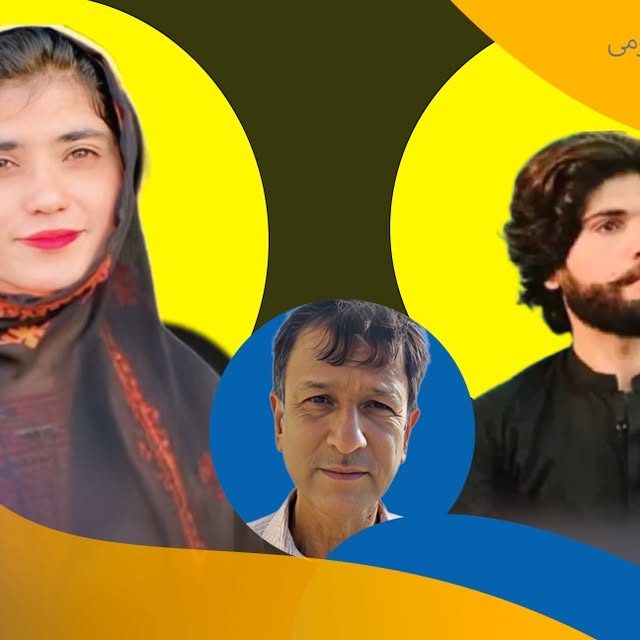
در شب بیستونهم ماه مه سال ۲۰۲۵، حدود ساعت سه بامداد، دختری ۲۴ ساله به نام ماهجبین بلوچ از بیمارستان دولتی کویته بهزور ربوده شد. ماهجبین اهل بَسیمه است و در دانشگاه بلوچستان در رشتهی کتابداری تحصیل میکند. شاهدان میگویند که مأموران دپارتمان مبارزه با تروریسم (سیتیدی) همراه با نیروهای اطلاعاتی او را بازداشت و به مکان نامعلومی منتقل کردند. تنها پنج روز پیش از این حادثه، محمد یونس بلوچ، برادر ماهجبین، نیز در حملهی شبانه از خانهشان ربوده شده بود. یونس دانشجوی دانشگاه مهندسی خضدار بود؛ جوانی کوشا که رؤیای خدمت به مردم و سرزمینش را از راه علم در سر داشت.
جامعهی بلوچ، جامعهای کهن و سنتی است که بر پایهی عزت، غیرت، مقاومت و همبستگی استوار است. یکی از اصول بنیادین این فرهنگ آن است که زنان و کودکان از دایرهی جنگ و دشمنی بیروناند. در تاریخ بلوچ هرگز دیده نشده که زنی یا کودکی از قبیلهی دشمن هدف انتقام قرار گیرد. در سنت بلوچ، چه در جنگ و چه در خونخواهی، زن و کودک همیشه در «امان» بودهاند. عبور از این خط قرمز، بزرگترین گناه اخلاقی در نظام ارزشی بلوچ شمرده میشود.
اما بلوچستان امروز از این سنتهای انسانی دور شده است. در دوران نوین سلطه و سرکوب، هدف قرار دادن زنان به سیاستی سازمانیافته تبدیل شده است. زن بلوچ که قرنها نماد غیرت و پایداری بوده، اکنون قربانی دسیسههای قدرت شده است.
اینکه گفته شود زن بلوچ ضعیف است، نشان نادانی از تاریخ است. زنان بلوچ همیشه مظهر مبارزه بودهاند — چه بانُری رِند باشد یا مائی چاهگُلی جدگال، آنان در برابر ظلم ایستادند و داستانهای فداکاری و شجاعت آفریدند که مایهی افتخار تاریخ بلوچاند. امروز نیز همان زنان در تربت، گوادر، آواران، خضدار، حُب و در برابر باشگاه مطبوعات کراچی، با عکس عزیزان ناپدیدشدهشان ایستادهاند. بر چهرههایشان اندوه نقش بسته، اما در نگاهشان شکست نیست.
ENA Fresh Wound: Baloch Women Targeted Under State RepressionRead in English
Balochistan has once again been caught in a circle of pain, suffering and state barbarity. While Baloch men, elders and children are victims of enforced disappearances on one side, Baloch women are now also in the line of fire of this darkness. This is not only a flagrant violation of human rights but a direct attack on Baloch values, culture and national honor.
On the night of May 29, 2025, at around 3 a.m., a 24-year-old woman named Mahjabeen Baloch was forcibly abducted from a government hospital in Quetta. Mahjabeen is from Basima and studies library science at the University of Balochistan. Witnesses say agents of the Counter Terrorism Department (CTD), together with intelligence personnel, detained her and took her to an unknown location. Only five days before this incident, Mahjabeen’s brother, Muhammad Younis Baloch, had also been abducted from their home in a night raid. Younis was a student at Khuzdar University of Engineering; a hardworking young man who dreamed of serving his people and his land through knowledge.
Baloch society is an ancient, traditional society founded on dignity, honor, resistance and solidarity. One of the fundamental principles of this culture is that women and children are outside the circle of war and enmity. In Baloch history it has never been seen that a woman or child of an enemy tribe was made the target of revenge. In Baloch tradition, whether in war or in blood feud, women and children have always been in “aman” (safe from harm). Crossing this red line is considered the greatest moral sin in the Baloch value system.
But today’s Balochistan has drifted away from these humane traditions. In the modern era of domination and repression, targeting women has become an organized policy. The Baloch woman, who for centuries was a symbol of honor and steadfastness, has now become a victim of the schemes of power.
To say that Baloch women are weak is a sign of ignorance of history. Baloch women have always embodied struggle — whether Banuri Rind or Mai Chahgul Jadgal, they stood against oppression and created stories of sacrifice and courage that are a source of pride in Baloch history. Today, too, the same women stand in Turbat, Gwadar, Awaran, Khuzdar, Hub and in front of the Karachi Press Club, holding photographs of their disappeared loved ones. Sorrow is etched on their faces, but there is no defeat in their eyes.