روسیه از فهرست شرکای اصلی ایران کنار رفت
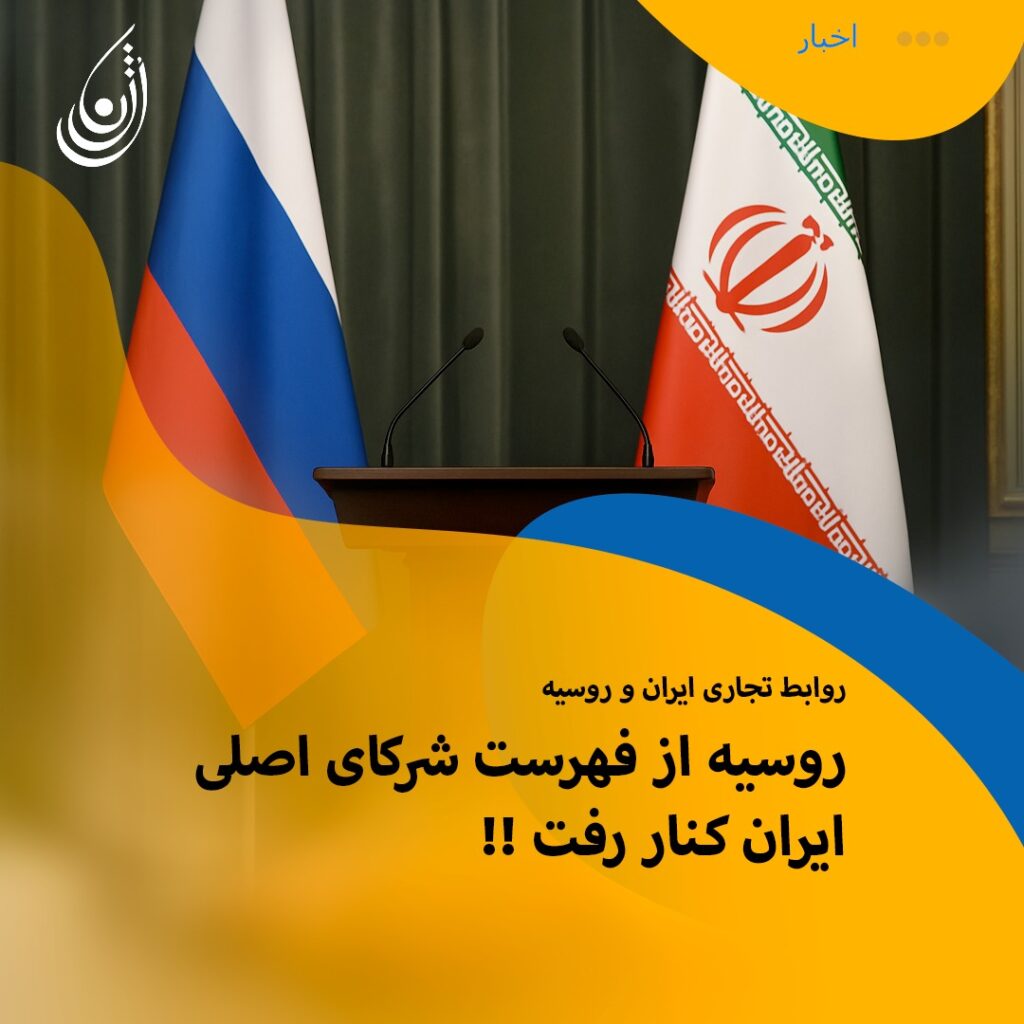
گزارشِ تلویزیون رُژن | دوشنبه ۲۱ مهر ۱۴۰۴ خورشیدی / ۱۳ اکتبر ۲۰۲۵ میلادی
بر پایه اظهارات فرود عسگری رئیس کل گمرک ایران روسیه دیگر در فهرست شرکای اصلی تجاری ایران قرار ندارد در فهرست اعلامشده چین عراق و امارات متحده عربی سه مقصد اصلی کالاهای ایرانی هستند و پس از آن ترکیه افغانستان پاکستان و عمان قرار دارند و نامی از روسیه در میان مقاصد اصلی نیامده است
در حالیکه طی سالهای گذشته روابط تهران و مسکو در حوزههای نظامی انرژی و تجارت رو به گسترش توصیف میشد اکنون آمارهای رسمی از افت محسوس در سطح همکاریهای اقتصادی دو کشور خبر میدهد فرود عسگری اعلام کرده است که روسیه دیگر در میان پنج مقصد نخست صادرات ایران جای ندارد و سهم این کشور در مبادلات تجاری ایران کاهش یافته است
روابط تجاری ایران و روسیه طی سالهای اخیر بیشتر بر تبادل نفت گاز و محصولات پتروشیمی متمرکز بوده اما تحریمهای بینالمللی و محدودیتهای بانکی مسیر اجرای توافقات دو کشور را دشوار کرده است در سالهای گذشته دو طرف بارها از ایجاد سازوکار مالی مشترک سخن گفتند اما نبود زیرساخت بانکی پایدار و عدم پذیرش روبل و ریال در مبادلات خارجی مانع از تحقق عملی این طرح شد
از سوی دیگر تمرکز روسیه بر جنگ اوکراین و تغییر جهت صادرات این کشور به بازارهای آسیایی و آفریقایی عملاً نقش ایران را در معادلات تجاری مسکو کاهش داده است در مقابل ایران نیز برای جبران کاهش درآمد نفتی و افزایش فشارهای اقتصادی تلاش کرده بازارهای خود را در چین عراق و امارات گسترش دهد
تحلیلگران اقتصادی معتقدند خروج روسیه از جمع شرکای اصلی ایران نشانهای از ناکامی در پروژههای همکاری اقتصادی میان دو کشور است که با وجود امضای توافقهای متعدد هیچگاه به سطح پایدار و بلندمدت نرسید به باور این کارشناسان وابستگی بیش از حد به سیاستهای مقطعی و نبود برنامه مشخص برای توسعه صادرات غیرنفتی باعث شده ایران نتواند از روابط با روسیه بهره اقتصادی پایدار بهدست آورد در حالیکه همکاری نظامی و امنیتی میان تهران و مسکو همچنان ادامه دارد اما در حوزه اقتصاد نشانهها حاکی از کاهش سطح تعهدات روسیه است و ایران بار دیگر در جستوجوی شرکای جدید در آسیا و خاورمیانه است
ENRussia Drops Off Iran’s List of Main Trading PartnersRead in English
Rozhn TV | Monday, October 13, 2025
According to statements by Foroud Asgari, head of Iran’s Customs Administration, Russia is no longer on the list of Iran’s main trading partners. In the list that was announced, China, Iraq and the United Arab Emirates are the three main destinations for Iranian goods, followed by Turkey, Afghanistan, Pakistan and Oman, and Russia’s name does not appear among the main destinations.
While relations between Tehran and Moscow were described in recent years as expanding in the military, energy and trade fields, official statistics now point to a marked decline in the level of economic cooperation between the two countries. Foroud Asgari said that Russia is no longer among the top five destinations for Iranian exports and that its share of Iran’s trade has declined.
Iranian-Russian trade relations in recent years have focused mostly on the exchange of oil, gas and petrochemical products, but international sanctions and banking restrictions have made it difficult to carry out the two countries’ agreements. In past years the two sides repeatedly spoke of creating a joint financial mechanism, but the lack of stable banking infrastructure and the non-acceptance of the ruble and the rial in foreign transactions prevented the plan from being put into practice.
On the other hand, Russia’s focus on the war in Ukraine and the redirection of its exports to Asian and African markets have effectively reduced Iran’s role in Moscow’s trade calculations. For its part, Iran, to make up for falling oil revenue and mounting economic pressure, has tried to expand its markets in China, Iraq and the UAE.
Economic analysts believe Russia’s exit from the group of Iran’s main partners is a sign of the failure of economic cooperation projects between the two countries, which, despite numerous signed agreements, never reached a stable, long-term level. In the view of these experts, excessive reliance on short-term policies and the lack of a clear plan to develop non-oil exports have meant that Iran has been unable to obtain lasting economic benefit from its relations with Russia. While military and security cooperation between Tehran and Moscow continues, in the economic sphere the signs point to a reduction in Russia’s commitments, and Iran is once again searching for new partners in Asia and the Middle East.