رستم؛ چهرهای ماندگار از سیستان در حافظه تاریخی و فرهنگی ایران
ENRostam: An Enduring Figure From Sistan in Iran’s Historical and Cultural MemoryRead in English
Iran – Thursday, May 1, 2025
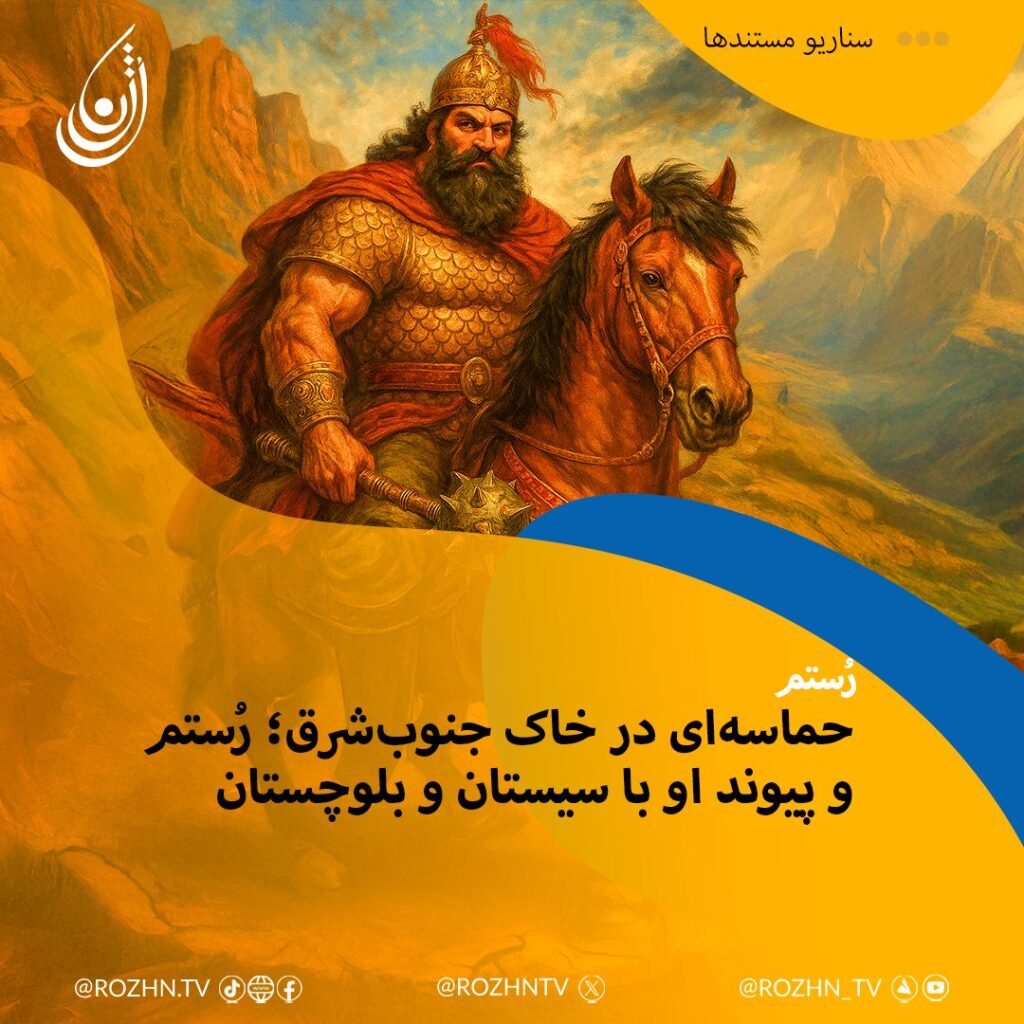
Rostam, the renowned hero of the Shahnameh, evokes courage, wisdom and loyalty for many Iranians: a legendary figure rooted in the soil of Sistan who remains alive to this day in the cultural memory of southeastern Iran.
Zabolzad, the Legend’s Birthplace. According to the epic narratives, Rostam, son of Zal, lived in Zabolzad, a historic area of Sistan described in ancient sources as a semi-autonomous and strategic region. In that era Sistan was regarded as one of Iran’s main defensive strongholds against attacks from the east, and Rostam was its commander and guardian.
A Hero Beyond Battle. In the Shahnameh and other epic texts, Rostam is not only a warrior but a symbol of honor, rationality and the moral defense of the homeland. In his battles against enemies such as the Turanians, he went to the field only when there was no alternative but to confront them. This approach has made him a model of the responsible hero who stands with the people.
To this day, Rostam’s name lives on in the collective memory of the people of Sistan and Baluchestan, and the story of his life remains an inseparable part of the cultural identity of this region.