دو سال محرومیت از تحصیل در روستای چرمی سراوان؛ «دانشآموزان بدون معلم، کلاس و سرپناه»
ENTwo Years Without Schooling in Charmi Village, Saravan; “Students Without Teachers, Classrooms or Shelter”Read in English
Saravan – Friday, May 30, 2025
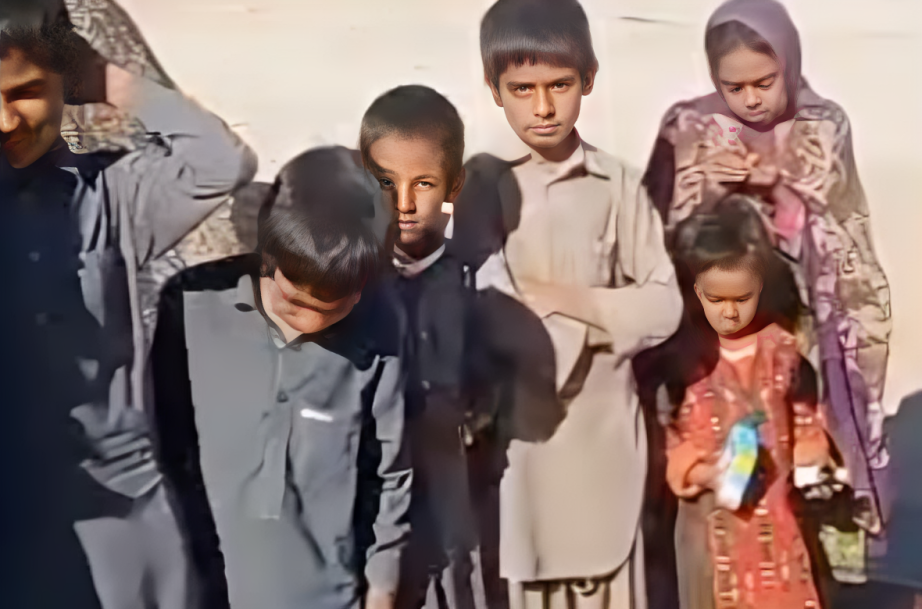
According to local residents, the village of Charmi, in the Sefidkuh area of Gasht in Saravan County, has been without a teacher, a school or even minimal educational facilities for more than two years, and 12 students in the village have in effect been deprived of their right to education.
One parent told local sources that the village’s children have to spend their time, in heat and cold, in primitive huts with no facilities, where there is neither a classroom nor a teacher.
Meanwhile, the residents of Charmi also lack access to other basic services such as safe drinking water and electricity.
Education experts and human rights activists consider the village’s situation a striking example of the educational and development gap in Iran’s peripheral regions, particularly in Sistan and Baluchestan Province, which has consistently had the lowest welfare, education and infrastructure indicators compared with the country’s other provinces.
Critics of the Islamic Republic government, and even some independent experts, see this situation as the product of “discriminatory and non-privileging” policies that have systematically neglected investment in education and development in peripheral regions, especially ethnic regions.
In past years, numerous reports of educational deprivation in Balochistan have been published, but according to many families, the responsible bodies have still taken no effective action to resolve this crisis.
A post shared by Rozhn TV (@rozhn_tv)