دو اسطوره موسیقی بلوچ: استاد نوربخش و فاضل محمد بلوچ
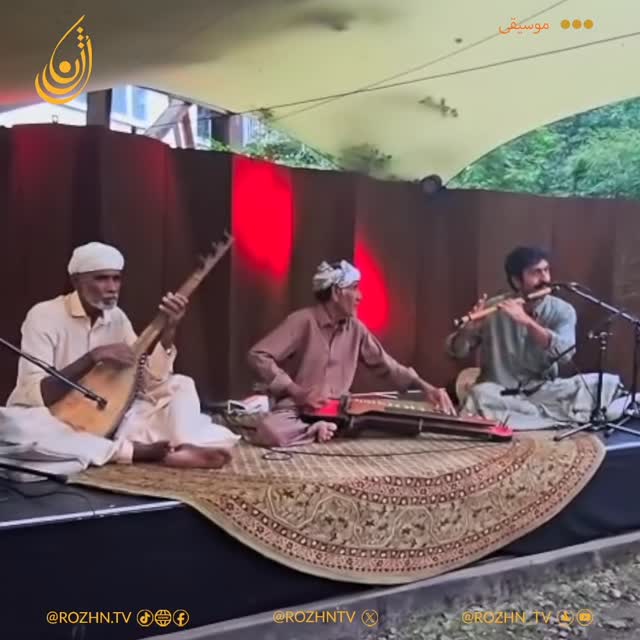
استاد نوربخش، نوازنده چیرهدست ساز «بنجو»، یکی از برجستهترین حاملان موسیقی اصیل بلوچ در روزگار ماست. او با اجرای بداههنوازیهای عمیق و پرشور، توانسته است روح موسیقی نواحی بلوچستان را به مخاطبان جهانی معرفی کند. اجرای او در جشنواره تابستانی هامبورگ آلمان، نمونهای روشن از پیوند میان سنت کهن و مخاطب بینالمللی بود. موسیقی استاد نوربخش، بدون استفاده از نتنویسی و تنها با تکیه بر حافظه و سینهبهسینه، نسل به نسل منتقل شده است.
فاضل محمد بلوچ (۱۹۰۱–۱۹۸۲)، که در برخی منابع با نام «فیض محمد بلوچ» نیز شناخته میشود، از مهمترین چهرههای موسیقی فولکلور بلوچ در قرن بیستم بود. او زاده ایران و فعال در کراچی بود و در دهههای ۱۳۳۰ و ۱۳۴۰ خورشیدی با اجراهای زنده، رادیویی و تلویزیونی، موسیقی بلوچ را به گوش مردم سراسر پاکستان رساند. او در سال ۱۹۷۹ نشان «Pride of Performance» را از رئیسجمهور پاکستان دریافت کرد.
ENTwo Legends of Baloch Music: Ustad Noorbakhsh and Fazil Mohammad BalochRead in English
Ustad Noorbakhsh, the masterful player of the “benju” (banjo), is one of the most prominent bearers of authentic Baloch music of our time. Through deep, passionate improvisations he has introduced the spirit of the music of Balochistan’s regions to audiences worldwide. His performance at the Hamburg Summer Festival in Germany was a clear example of the link between ancient tradition and an international audience. The music of Ustad Noorbakhsh has been passed down from generation to generation, without musical notation, relying solely on memory and transmitted from person to person.
Fazil Mohammad Baloch (1901–1982), who in some sources is also known as “Faiz Mohammad Baloch,” was one of the most important figures of Baloch folk music in the twentieth century. Born in Iran and active in Karachi, in the 1950s and 1960s (the Iranian 1330s and 1340s) he brought Baloch music to people across Pakistan through live, radio and television performances. In 1979 he received the “Pride of Performance” medal from the President of Pakistan.