دختران بلوچ تا کی ناپدید خواهند شد؟
عزیز سنگھور
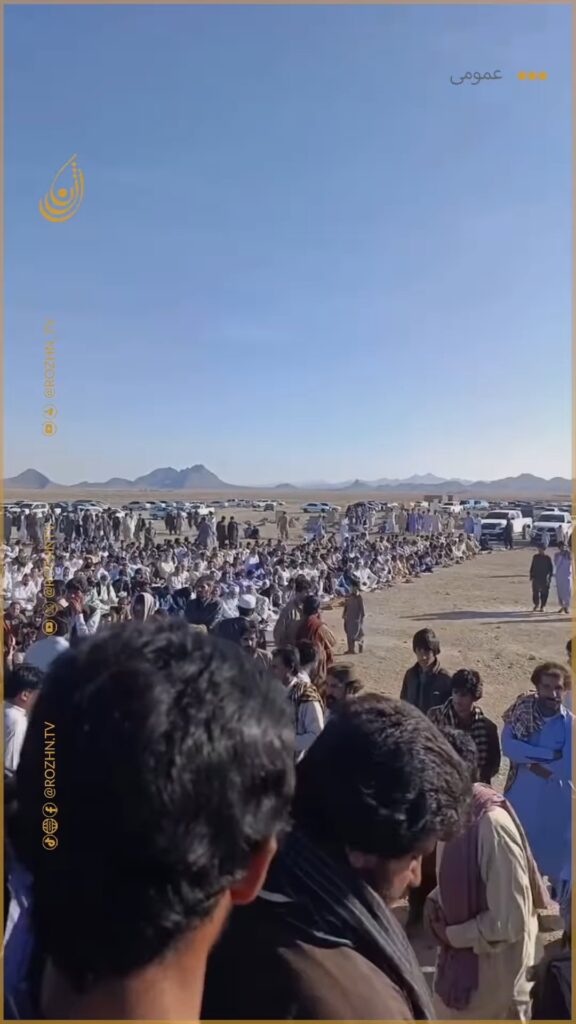
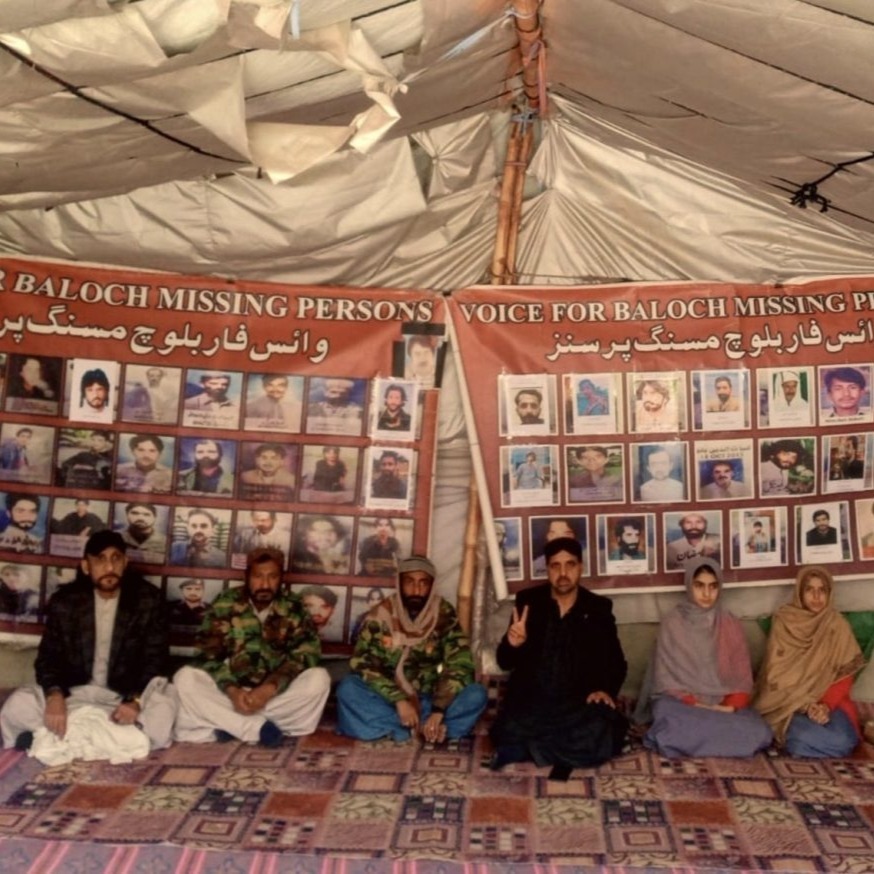
گزارشهای مربوط به ناپدیدشدنهای اجباری در بلوچستان دیگر تنها به آمار، بیانیههای مطبوعاتی و چند سطر خبر محدود نمانده است. این مسئله به زخمی تبدیل شده که با گذشت هر روز عمیقتر میشود. نگرانکنندهترین بخش ماجرا این است که اکنون زنان و کودکان خردسال نیز در معرض این وضعیت قرار گرفتهاند. پرسش این است که دولت تا چه زمانی سکوت خواهد کرد؟
خبر ناپدیدشدن احتمالی صفیه بلوچ، دانشجوی ۲۰ ساله بلوچ اهل بسیمه در منطقه واشک، حلقه تازهای از همین سلسله حوادث هولناک است. بنا بر گفته خانواده، صفیه بلوچ، دختر عبدالخالق، در شامگاه ۲۳ اوت حدود ساعت یک بامداد در کویته بازداشت و سپس ناپدید شد. خانواده او مدعی هستند که مأموران اداره مبارزه با تروریسم (CTD) در این اقدام دخیل بودهاند.
این ادعا مسئلهای ساده و کماهمیت نیست. اگر یک شهروند توسط یک نهاد دولتی بازداشت شده است، سابقه قانونی بازداشت او کجاست؟ چرا او در برابر دادگاه حاضر نشده است؟ چرا خانوادهاش از وضعیت او اطلاعی ندارند؟ و اگر دولت هیچ ارتباطی با بازداشت صفیه بلوچ ندارد، چرا برای یافتن او و روشنشدن حقیقت، اقدامات فوری انجام نمیدهد؟
همین پرسشها درباره خانوادهای نیز مطرح است که گفته میشود در ۱۹ اوت از منطقه گشکوری تاون کویته ناپدید شدهاند. خانواده و فعالان حقوق بشر مدعی هستند که عمیره دختر عبدالرسول، خواهرش نجما، پریسا هشتساله و زاکر یکونیمساله در جریان عملیاتی که به نیروهای امنیتی، از جمله CTD و نیروهای مرزی (FC)، نسبت داده شده، بازداشت شدهاند.
اینکه یک دختر هشتساله و یک کودک یکونیمساله در جریان هرگونه اقدام دولتی یا امنیتی قرار گرفته باشند، در صورت صحت این گزارشها، از نظر انسانی و حقوقی مسئلهای بسیار جدی است.
دولتها برای حفاظت از شهروندان خود به وجود آمدهاند، نه برای ایجاد ترس در میان آنان. اختیار نهادهای مجری قانون از قانون سرچشمه میگیرد و همین نهادها نیز باید در برابر قانون پاسخگو باشند. اگر بردن یک شهروند، انتقال او به مکانی نامعلوم و بیخبر گذاشتن خانواده به یک رویه تبدیل شود، در آن صورت دادگاهها، پروندههای قضایی، احکام بازداشت و حقوق اساسی شهروندان تنها به نوشتههایی در کتابهای قانون تبدیل خواهند شد.
پرونده ماه جبین بلوچ نیز یادآور همین واقعیت تلخ است. ماه جبین، دانشجوی دانشگاه بلوچستان، که گفته میشود اهل بسیمه در واشک است، بنا بر گفته خانواده و فعالان حقوق بشر از ماه مه ۲۰۲۵ تاکنون ناپدید است. بنا بر همین گزارشها، او در ۲۹ مه ۲۰۲۵ از خوابگاه پرستاری بیمارستان مدنی کویته بازداشت شده است.
ماه جبین به دلیل ابتلا به بیماری پولیو دچار معلولیت جسمی است و به دلیل نبود امکانات مناسب در خوابگاه دانشگاه، در خوابگاه بیمارستان مدنی اقامت داشت.
تنها پنج روز پیش از بازداشت گزارششده ماه جبین، برادرش یونس بلوچ نیز ناپدید شده بود. او بعدها در اکتبر ۲۰۲۵ به خانه بازگشت، اما هنوز بنا بر گزارشهای منتشرشده هیچ خبری از ماه جبین در دست نیست.
اینکه یک خواهر بیش از یک سال ناپدید باشد و خانواده هر صبح با این امید از خواب بیدار شود که شاید امروز خبری از او برسد، برای بیدارکردن وجدان هر جامعهای کافی است.
موارد ناپدیدشدن احتمالی زنان در بلوچستان یک پرسش اساسی را مطرح میکند: آیا حمایت قانون از زنان بلوچ کاهش یافته است؟ آیا فریاد خانوادههای آنان هیچ اهمیتی ندارد؟ آیا وقتی یک مادر، خواهر، دختر یا دانشجو ناپدید میشود، دستگاه دولتی همچنان با همین بیتفاوتی رفتار خواهد کرد؟
اگر صفیه بلوچ به اتهام جرمی تحت تعقیب است، باید در برابر دادگاه حاضر شود. اگر علیه ماه جبین پروندهای وجود دارد، باید روند قانونی آن طی شود. اگر افراد ناپدیدشده از گشکوری تاون مرتکب جرمی شدهاند، باید حق دفاع از خود را در برابر دادگاه داشته باشند. اما اگر هیچ پروندهای علیه آنان وجود ندارد، دلیل ناپدیدشدن آنان چیست؟
سیاست نگاهکردن به مسئله بلوچستان تنها از دریچه امنیتی، پیش از این نیز خسارتهای سنگینی به بار آورده است. اکنون ناپدیدشدن زنان و کودکان این بحران را عمیقتر کرده است.
دولت باید درک کند که سکوت، مسئله را از بین نمیبرد؛ بلکه آن را در حافظه نسلها ثبت میکند.
ENHow Long Will Baloch Girls Keep Disappearing?Read in English
Aziz Sanghur
Reports of enforced disappearances in Balochistan are no longer limited to statistics, press releases and a few lines of news. The issue has become a wound that deepens with each passing day. The most alarming part of the story is that women and young children are now also exposed to this situation. The question is: how long will the state remain silent?
The news of the possible disappearance of Safia Baloch, a 20-year-old Baloch student from Basima in the Washuk area, is a new link in this chain of horrifying incidents. According to her family, Safia Baloch, daughter of Abdul Khaliq, was detained in Quetta at around 1 a.m. on the night of August 23 and then disappeared. Her family claims that officers of the Counter-Terrorism Department (CTD) were involved.
This claim is not a simple or minor matter. If a citizen has been detained by a state institution, where is the legal record of her detention? Why has she not been brought before a court? Why does her family have no information about her condition? And if the state has no connection to the detention of Safia Baloch, why is it not taking urgent steps to find her and establish the truth?
The same questions apply to a family reported to have disappeared on August 19 from the Gishkori Town area of Quetta. The family and human rights activists claim that Amira, daughter of Abdul Rasool, her sister Najma, 8-year-old Parisa and 1.5-year-old Zakir were detained during an operation attributed to security forces, including the CTD and the Frontier Corps (FC).
That an 8-year-old girl and a 1.5-year-old child could have been caught up in any state or security action is, if these reports are accurate, an extremely serious matter in both human and legal terms.
Governments exist to protect their citizens, not to instill fear among them. The authority of law enforcement institutions derives from the law, and these same institutions must be accountable to the law. If taking a citizen away, moving him to an unknown location and leaving his family without information becomes a routine practice, then courts, judicial cases, arrest warrants and the fundamental rights of citizens will become nothing more than words in law books.
The case of Mahjabeen Baloch is also a reminder of this bitter reality. Mahjabeen, a student at the University of Balochistan who is said to be from Basima in Washuk, has been missing since May 2025, according to her family and human rights activists. According to the same reports, she was detained on May 29, 2025, from the nursing hostel of Civil Hospital Quetta.
Mahjabeen has a physical disability due to polio, and because the university hostel lacked suitable facilities, she was staying in the Civil Hospital hostel.
Just five days before Mahjabeen’s reported detention, her brother Younis Baloch had also disappeared. He later returned home in October 2025, but according to published reports there is still no news of Mahjabeen.
That a sister should be missing for more than a year, and that her family should wake up every morning hoping that today might bring news of her, is enough to rouse the conscience of any society.
The possible disappearances of women in Balochistan raise a fundamental question: has the law’s protection of Baloch women diminished? Do the cries of their families matter at all? When a mother, sister, daughter or student disappears, will the state apparatus continue to treat it with the same indifference?
If Safia Baloch is wanted on criminal charges, she must be brought before a court. If there is a case against Mahjabeen, it must go through the legal process. If those who disappeared from Gishkori Town have committed a crime, they must have the right to defend themselves before a court. But if there is no case against them, what is the reason for their disappearance?
The policy of viewing the Balochistan issue solely through a security lens has already caused heavy damage. The disappearance of women and children has now deepened this crisis.
The state must understand that silence does not make the problem go away; it inscribes it in the memory of generations.