دانشمندان در حال بررسی منشأ مرموز جرم فضایی جدید
تلویزیون رُژن | شنبه ۱۹ مهر ۱۴۰۴ خورشیدی / ۱۱ اکتبر ۲۰۲۵ میلادی
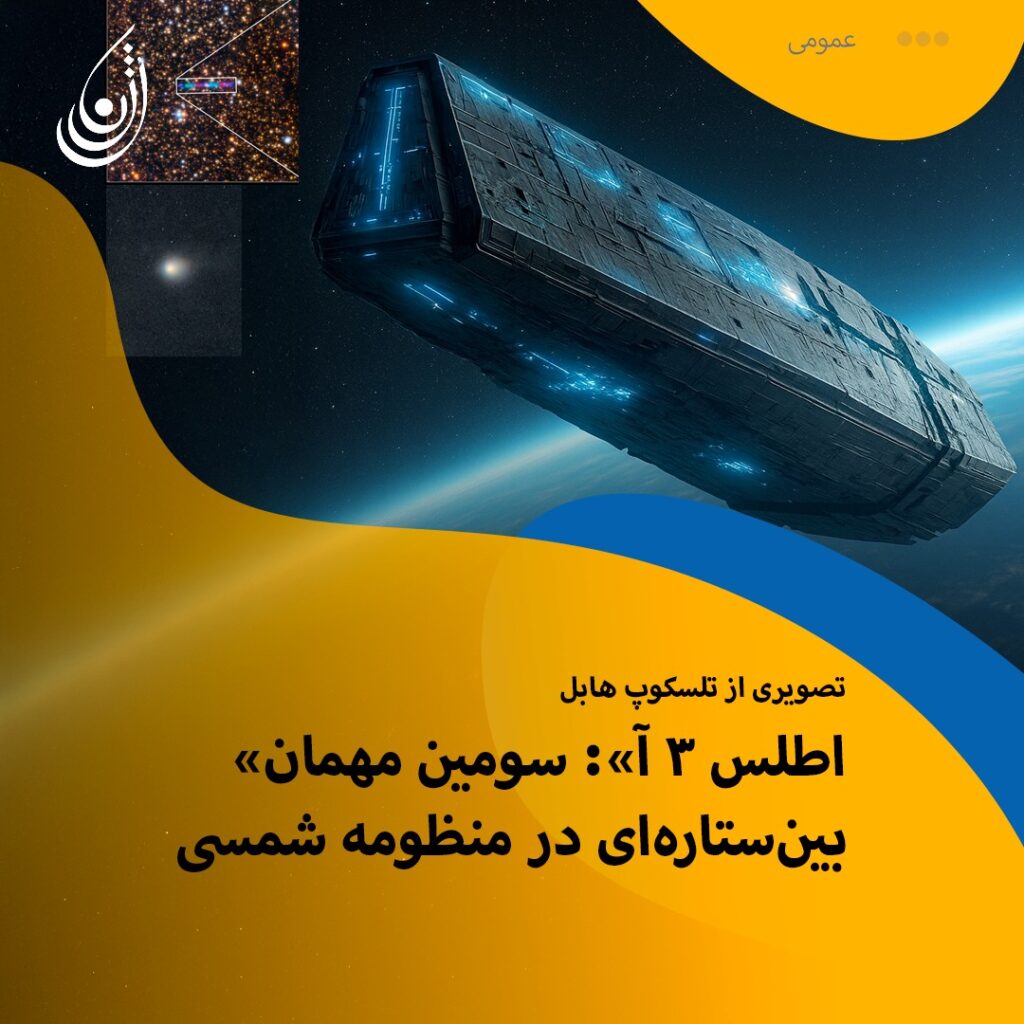
دانشمندان اخیراً شیء عجیبی را به نام «اطلس ۳ آ» (3I/ATLAS) در منظومه شمسی رصد کردهاند؛ جرمی که بهگفتهٔ اخترشناسان، مسیر آن نشان میدهد از بیرون منظومهٔ شمسی وارد شده است و تنها برای مدتی کوتاه از نزدیکی خورشید عبور میکند.
این شیء سومین جرم بینستارهای شناختهشده در تاریخ است — پس از «اومواموا» در سال ۲۰۱۷ و «بوریسوف» در سال ۲۰۱۹ — و به همین دلیل توجه زیادی را در جامعهٔ علمی جهان برانگیخته است.
بر اساس دادههای تلسکوپ فضایی جیمز وب، «اطلس ۳ آ» دارای نسبت غیرعادی گاز کربندیاکسید به بخار آب است و همچنین ردی از فلز نیکل در ترکیب گازی آن مشاهده شده؛ پدیدهای که در دنبالهدارهای معمولی کمتر دیده میشود.
نور و درخشش این جرم نیز در بازههای زمانی مختلف تغییر میکند، و همین مسئله باعث شده برخی پژوهشگران به دنبال توضیحهای تازه برای رفتار آن باشند. با این حال، دانشمندان تأکید میکنند که هیچ مدرکی مبنی بر مصنوعی یا فرازمینی بودن آن وجود ندارد و تمامی نشانهها در چارچوب پدیدههای طبیعی قابل بررسی است.
به گفتهٔ اخترشناسان، مطالعهٔ این جرم نادر میتواند سرنخهای تازهای دربارهٔ ترکیب شیمیایی و شکلگیری سیارات در دیگر منظومههای ستارهای در اختیار ما بگذارد — فرصتی که شاید تا دههها تکرار نشود.
ENScientists Investigating the Mysterious Origin of a New Space ObjectRead in English
Rozhn TV | Saturday, October 11, 2025
Scientists have recently observed a strange object in the solar system called “3I/ATLAS”; according to astronomers, its trajectory indicates that it entered from outside the solar system and is passing near the Sun only briefly.
The object is the third known interstellar body in history, after “Oumuamua” in 2017 and “Borisov” in 2019, and has therefore attracted great attention in the global scientific community.
Based on data from the James Webb Space Telescope, 3I/ATLAS has an unusual ratio of carbon dioxide gas to water vapor, and traces of the metal nickel have also been observed in its gaseous composition, a phenomenon rarely seen in ordinary comets.
The object’s light and brightness also change over different periods of time, which has led some researchers to look for new explanations for its behavior. However, scientists stress that there is no evidence that it is artificial or extraterrestrial, and that all the signs can be examined within the framework of natural phenomena.
According to astronomers, studying this rare object could give us new clues about the chemical composition and formation of planets in other star systems, an opportunity that may not repeat for decades.