حدّ تازهای از ظلم در بلوچستان
تلویزیون رُژن | سهشنبه ۱۷ شهریور ۱۴۰۵ | ۸ سپتامبر ۲۰۲۶
دیدگاه | عزیز سنگھور
۷ سپتامبر ۲۰۲۶، برای تربت، شهر مرکزی شهرستان کیچ در بلوچستان، بار دیگر به روزی سیاه تبدیل شد
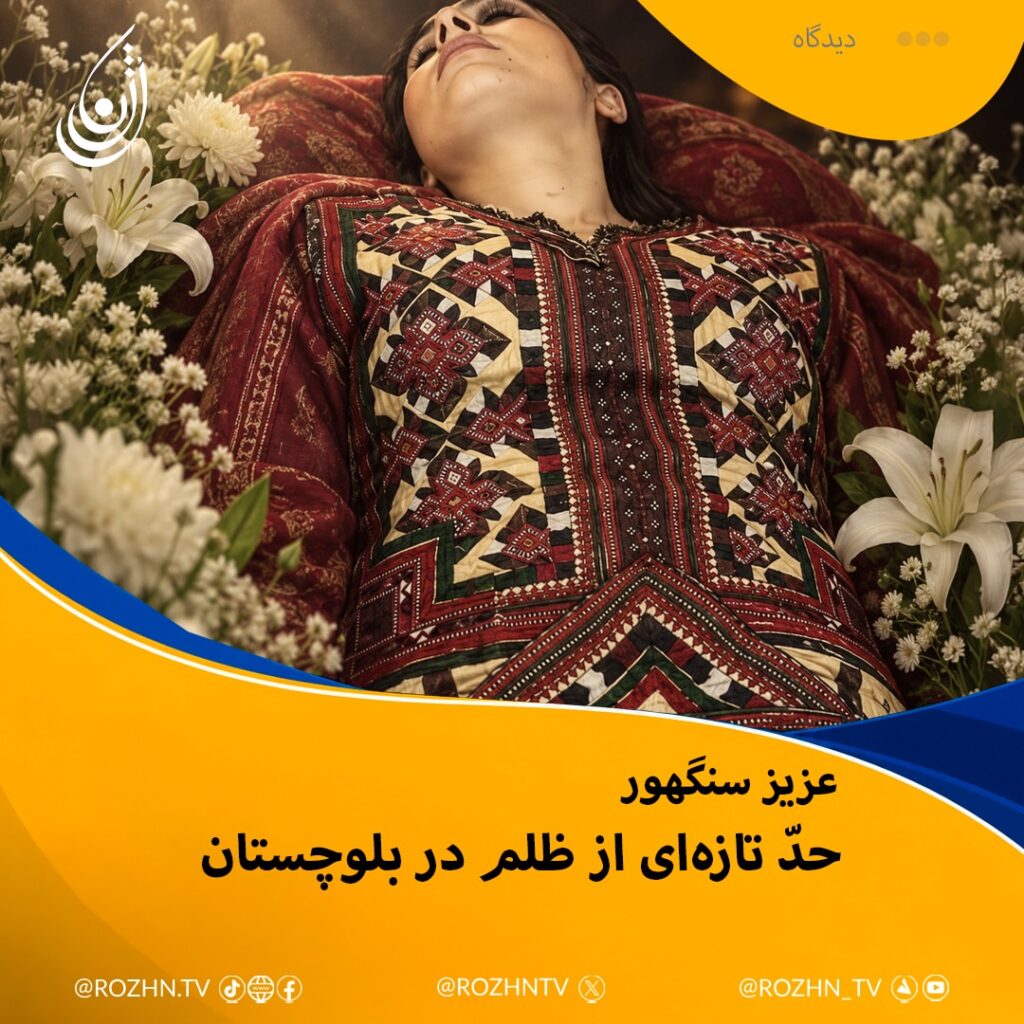
پیکر «ماهگل» ۳۰ ساله، دختر عزیز و همسر صول محمد، در پشت دانشگاه تربت پیدا شد
ماهگل ساکن منطقه کلگ سهرانی در تربت بود
به گفته منابع خانوادگی، در شب میان ۶ و ۷ سپتامبر، افراد مسلح ناشناس وارد خانه ماهگل شدند و او را با خود بردند
تنها چند ساعت بعد، پیکر او در پشت دانشگاه تربت پیدا شد
این حادثه، تصویر تازهای از ترسی است که به باور بسیاری در بلوچستان گسترش یافته است، ترسی که در آن حتی چهار دیواری خانه نیز دیگر تضمینی برای امنیت نیست
مرگ ماهگل بار دیگر بخشی از واقعیت تلخ بلوچستان را در برابر دیدگان ما قرار داده است، جایی که نگرانی درباره زندگی، عزت و آزادی انسانها همچنان وجود دارد
در سالهای اخیر گزارشهایی از ناپدید شدن افراد، پیدا شدن پیکرها در کنار جادهها و سرگردانی خانوادهها برای یافتن یا شناسایی عزیزانشان منتشر شده است
اما حادثه ماهگل از آن جهت هولناکتر است که این بار قربانی، یک زن است
زن بلوچ پیش از این نیز بار سنگین فجایع خانوادههای خود را بر دوش کشیده است
او مادر پسری است که خبری از او نیست، همسر مردی است که ناپدید شده، خواهر برادری است که خانواده در جستوجوی اوست و در بسیاری موارد تنها امید فرزندانش برای آینده است
زنان بلوچ سالها انتظار کشیدهاند، در اعتراضات شرکت کردهاند، در دادگاهها حاضر شدهاند و برای پیگیری سرنوشت عزیزان خود به نهادهای مختلف مراجعه کردهاند
اکنون پیکر همین زن بلوچ در پشت دانشگاه تربت پیدا میشود
نباید ماجرای ماهگل را نیز صرفاً یک خبر دانست و از کنار آن گذشت
این پیکر یک زن بلوچ است
این ویرانی یک خانواده است
این نمادی از فضای هولناکی است که بسیاری از مردم بلوچستان از آن سخن میگویند
این تنها یک قتل نیست، بلکه اگر حقیقت آن روشن نشود، میتواند نشانهای از هتک جدی کرامت انسانی باشد
مردم بلوچستان تاکنون رنجهای بسیاری را تحمل کردهاند
اما اینکه پیدا شدن پیکر دختران این سرزمین نیز به خبری عادی تبدیل شود، به معنای مرگ وجدان جمعی خواهد بود
ماهگل دیگر بازنخواهد گشت
سکوت خانهاش شاید هرگز پایان نیابد
برای فرزندان، همسر و والدین او، ۷ سپتامبر ۲۰۲۶ برای همیشه روزی همچون قیامت باقی خواهد ماند
ENA New Extreme of Cruelty in BalochistanRead in English
Rozhn TV | Tuesday, September 8, 2026
Opinion | Aziz Sanghur
September 7, 2026, once again became a black day for Turbat, the central city of Kech County in Balochistan. The body of Mahgol, 30, daughter of Aziz and wife of Sol Mohammad, was found behind Turbat University. Mahgol lived in the Kolag Sohrani area of Turbat.
According to family sources, on the night of September 6 to 7, unidentified armed men entered Mahgol’s home and took her away. Only a few hours later, her body was found behind Turbat University.
This incident is a new picture of the fear that, in the view of many in Balochistan, has spread, a fear in which even the four walls of one’s home are no longer a guarantee of safety.
Mahgol’s death has once again placed part of the bitter reality of Balochistan before our eyes, a place where concern persists over people’s lives, dignity and freedom. In recent years, reports have been published of people disappearing, bodies being found by roadsides, and families wandering in search of their loved ones or trying to identify them.
But the Mahgol case is more horrifying because this time the victim is a woman.
Baloch women have already borne the heavy burden of their families’ catastrophes. She is the mother of a son who is missing, the wife of a man who has disappeared, the sister of a brother whom the family is searching for, and in many cases the only hope of her children for the future. Baloch women have waited for years, taken part in protests, appeared in courts, and approached various institutions to follow up on the fate of their loved ones.
Now the body of this same Baloch woman is found behind Turbat University.
The Mahgol case, too, should not be regarded as merely a news item and passed over.
This is the body of a Baloch woman. This is the devastation of a family. This is a symbol of the terrifying atmosphere that many people in Balochistan speak of. This is not just a murder; if its truth is not made clear, it could be a sign of a serious violation of human dignity.
The people of Balochistan have endured much suffering so far.
But if the discovery of the bodies of this land’s daughters, too, becomes ordinary news, it will mean the death of the collective conscience.
Mahgol will never return. The silence of her home may never end. For her children, husband and parents, September 7, 2026 will remain forever a day like the Day of Judgment.