تیراندازی سهوی بدون مسئولیت کیفری
تلویزیون رُژن | شنبه ۱ شهریور ۱۴۰۴ خورشیدی / ۲۳ اوت ۲۰۲۵ میلادی
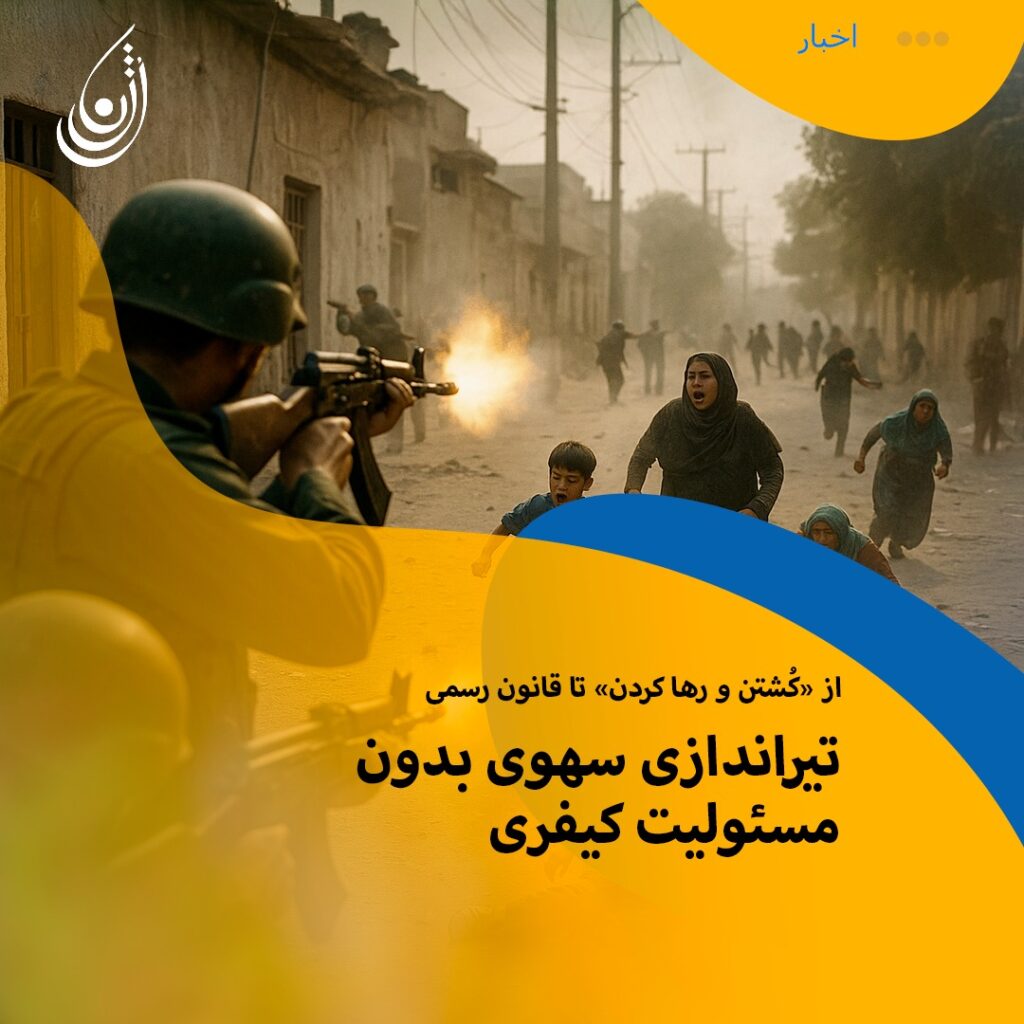
دیوان عالی کشور با رأی وحدت رویه تازه اعلام کرده است که تیراندازی سهوی نیروهای مسلح جرم محسوب نمیشود و مأموران از تعقیب کیفری معاف خواهند بود و تنها دولت موظف به پرداخت خسارت است کارشناسان حقوقی هشدار میدهند این تصمیم در عمل به نیروهای نظامی اختیار مطلق میدهد که بدون ترس از پیگرد قضایی به سمت شهروندان شلیک کنند اقدامی که میتواند به افزایش موارد کشتهشدن غیرنظامیان بهویژه در سیستان و بلوچستان منجر شود در این استان طی سالهای گذشته شهروندان بلوچ بارها قربانی تیراندازی مستقیم نیروهای امنیتی شدهاند از جمله سوختبران محلی که به جای اخطار و توقف، خودروهای آنان هدف گلوله قرار گرفته است نمونههای اخیر شامل کشتهشدن نازیلا ایراندگانی زن باردار و جنین او کشتهشدن یوسف شهلیبور کودک پنجساله و زخمیشدن مادر باردارش و همچنین کشتهشدن دو بانوی بلوچ و مجروحیت دستکم ده زن دیگر در حمله به روستای گونِیچ شهرستان خاش است به گفته نهادهای حقوقبشری رأی تازه دیوان عالی کشور سیاستهایی را که پیشتر به شکل غیررسمی و مورد اعتراض اجرا میشد اکنون عملاً رسمیت میبخشد برخی از فعالان از این روند با عنوان «سیاست کُشتن و رها کردن» یا «نسلکشی تدریجی» یاد میکنند تحلیلی که به باور آنان نشاندهنده تبدیل یک روند غیرقانونی به چارچوبی قانونی در نظام حقوقی ایران است فعالان حقوقبشری تأکید میکنند این اقدام نقض آشکار اصول بنیادین حقوق بشر است و ضرورت دارد نهادهای داخلی و بینالمللی نسبت به پیامدهای آن واکنش فوری نشان دهند
ENAccidental Shooting Without Criminal LiabilityRead in English
Rozhn TV | Saturday, August 23, 2025
In a new unifying-precedent ruling, the Supreme Court has announced that accidental shooting by armed forces is not considered a crime, that officers will be exempt from criminal prosecution, and that only the government is obliged to pay compensation. Legal experts warn that in practice this decision gives military forces absolute discretion to fire at citizens without fear of prosecution, a step that could lead to more civilian deaths, particularly in Sistan and Baluchestan. In this province, Baloch citizens have repeatedly been victims of direct fire by security forces over the years, including local fuel porters whose vehicles have been shot at instead of being warned and stopped. Recent examples include the killing of Nazila Irandegani, a pregnant woman, and her fetus; the killing of Yousef Shahlibar, a five-year-old child, and the wounding of his pregnant mother; and the killing of two Baloch women and the wounding of at least ten other women in an attack on the village of Gonich in Khash county. According to human rights bodies, the Supreme Court’s new ruling now effectively formalizes policies that were previously implemented informally and amid objections. Some activists describe this trend as a “policy of killing and letting go” or “gradual genocide,” an analysis that, in their view, shows the conversion of an unlawful process into a legal framework in Iran’s legal system. Human rights activists stress that this measure is a clear violation of fundamental human rights principles and that domestic and international bodies must urgently respond to its consequences.