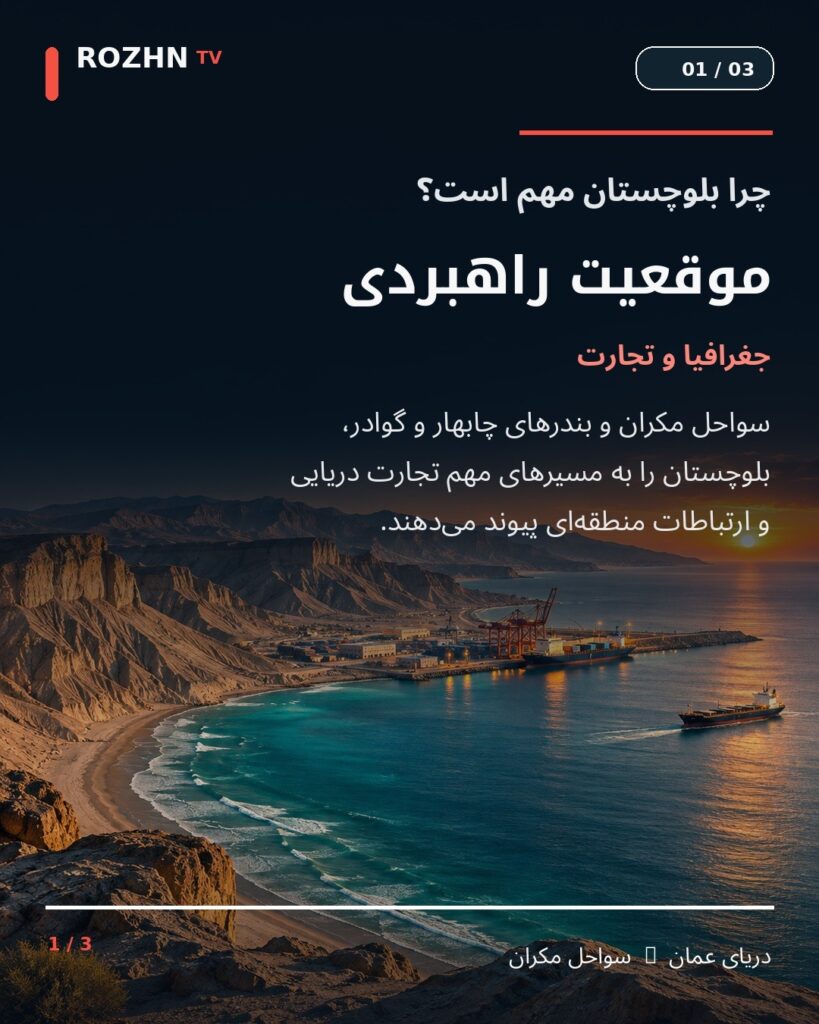
توسعه پروژه شیلات در چابهار؛ فرصتی برای بلوچستان یا سرمایهگذاری یکجانبه؟

ENFisheries Project Expands in Chabahar: Opportunity for Balochistan or One-Sided Investment?Read in English
Chabahar – Wednesday, May 28, 2025
A new fisheries project titled “Development and Upgrading of the Gidar Fish Value Chain,” launched in the port of Chabahar in cooperation with the United Nations Industrial Development Organization (UNIDO) and foreign investors, has recently provoked numerous reactions from economic and social activists in the Balochistan region.
Tomoyoshi Kome, the Japanese manager of the project, has announced that the main goal of the plan is to improve the livelihoods of local fishermen, and that it is being carried out within environmental standards and in coordination with the fisheries bodies of the Islamic Republic of Iran.
However, a group of experts and local activists, expressing concern about how the project is being carried out, stress the need for transparency, genuine participation of indigenous people and guaranteed direct benefits for local communities. They believe:
Financial transparency and accurate public information must be observed at all stages of the project.
The local community should play an active role not only in implementation but also in decision-making.
Job creation, specialized training and the project’s economic share should be allocated directly to the people of the region.
The repetition of past patterns of exploitation of Balochistan’s natural resources should be prevented.
The experience of recent years on the Makran coast has shown that, in the absence of independent oversight, some development plans have led to the destruction of the marine ecosystem and further deprivation of indigenous communities.
Now this question is being raised in Balochistan’s public opinion and among observers of regional development: Can the new fisheries project in Chabahar be a model of sustainable and fair development? Or, like some previous plans, will it ultimately become another example of one-sided investment with unbalanced consequences?