بلوچستان · ویدیو
توزیع اسلحه و سیاست تفرقه در بلوچستان
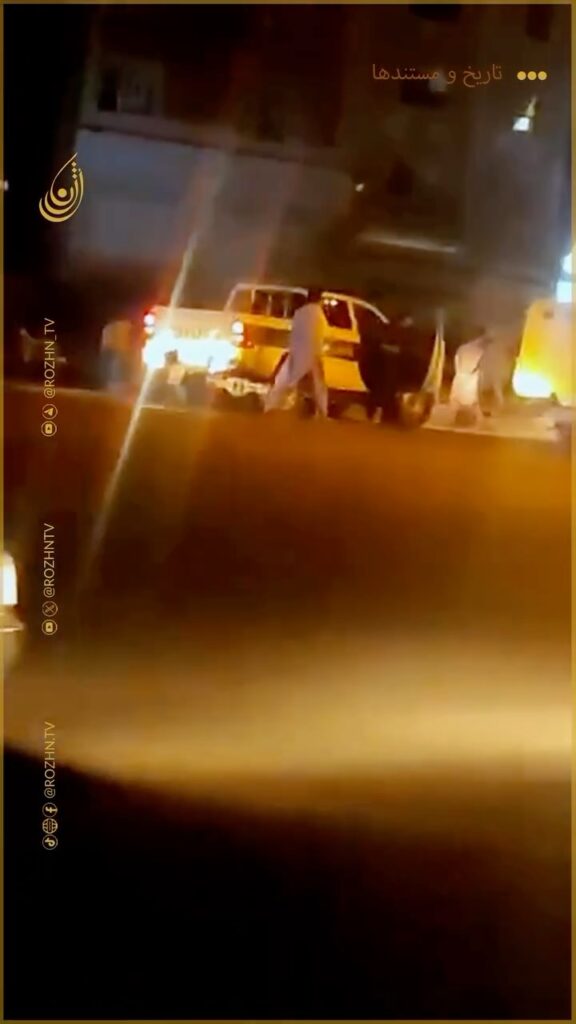
به گزارش تلویزیون رُژن | سهشنبه ۱۱ شهریور ۱۴۰۴ خورشیدی / ۲ سپتامبر ۲۰۲۵ میلادی
به گفته منابع محلی و تحلیلگران، یکی از ابزارهای جمهوری اسلامی برای مدیریت و کنترل بحرانهای اجتماعی و امنیتی در بلوچستان، سیاست «تفرقه بینداز و حکومت کن» است؛ سیاستی که با توزیع سلاح و دامنزدن به اختلافات قومی و طایفهای دنبال میشود.
در دهههای گذشته، بلوچستان شاهد بحرانهای پیدرپی اجتماعی و امنیتی بوده است؛ بحرانهایی که به گفته کارشناسان ریشه در فقر، بیکاری، تبعیض ساختاری و سیاستهای نظاممند حکومت مرکزی دارد. گزارشهای محلی حاکی از آن است که درگیریهای خونین میان طایفهها و اقوام مختلف در بلوچستان، اغلب فراتر از اختلافات محلی بر سر زمین یا منابع طبیعی است. در بسیاری از این موارد، به گفته منابع، دستگاههای امنیتی و اطلاعاتی جمهوری اسلامی نقشی اساسی ایفا میکنند. برخی گزارشها نشان میدهد که در نزاعهای قبیلهای، یک طایفه ممکن است از سوی اطلاعات سپاه و طایفه دیگر از سوی وزارت اطلاعات حمایت شود. این حمایتها نه تنها شامل ارائه اطلاعات و پشتیبانی امنیتی، بلکه بنا به گفته منابع محلی، در موارد متعدد شامل توزیع اسلحه و مهمات نیز بوده است.
به باور تحلیلگران، این سیاست عملاً باعث میشود که هرگونه اختلاف کوچک محلی به یک درگیری مسلحانه و خونین تبدیل گردد. نتیجه آن، افزایش خشونت داخلی، تضعیف همبستگی اجتماعی و مشغولشدن مردم بلوچ به نزاعهای داخلی است. در چنین شرایطی، مردم به جای تمرکز بر مطالبات اصلی خود از جمله عدالت، برابری، توسعه و آزادی، درگیر خونریزیهای داخلی میشوند که قربانیان اصلی آن، به گفته منابع، خودشان و بهویژه نخبگان جامعهاند.
کارشناسان میگویند هدف اصلی این روند، تضعیف جامعه بلوچ و حذف نخبگان آن است. درگیریهای قومی و طایفهای فرصتی را برای حکومت فراهم میآورد تا روشنفکران، فعالان مدنی و اجتماعی و حتی رهبران محلی در فضای خشونت از میان بروند یا به حاشیه رانده شوند، بیآنکه مسئولیت مستقیمی متوجه حکومت باشد. در واقع، به باور این تحلیلها، نخبگان و جوانان بلوچ که میتوانند موتور محرک عدالتخواهی و تغییر باشند، در این درگیریها از بین میروند یا کنار گذاشته میشوند.
به گفته منابع محلی، تداوم چنین سیاستی بلوچستان را به میدان دائمی ناامنی و خونریزی تبدیل کرده است. تحلیلگران تأکید میکنند تا زمانی که حکومت جمهوری اسلامی به جای حل ریشهای مشکلات، از ابزار خشونت و تفرقه برای کنترل منطقه استفاده کند، چشماندازی برای صلح، ثبات و توسعه در بلوچستان وجود نخواهد داشت.
به باور کارشناسان، سیاست توزیع سلاح و حمایت از طرفین درگیر توسط نهادهای امنیتی جمهوری اسلامی نه تنها بحرانهای بلوچستان را حل نکرده بلکه آنها را پیچیدهتر ساخته است. از دیدگاه آنان، تنها راه پایان دادن به این چرخه خشونت، توقف دخالتهای امنیتی و حرکت به سمت عدالت اجتماعی، برابری قومی و تقویت نهادهای مستقل مردمی است.
ENWeapons Distribution and the Policy of Division in BalochistanRead in English
Rozhn TV | Tuesday, September 2, 2025
According to local sources and analysts, one of the tools the Islamic Republic uses to manage and control social and security crises in Balochistan is the policy of “divide and rule”, a policy pursued through the distribution of weapons and the fueling of ethnic and tribal disputes.
In past decades, Balochistan has witnessed successive social and security crises; crises which, according to experts, are rooted in poverty, unemployment, structural discrimination and the systematic policies of the central government. Local reports indicate that bloody clashes between different tribes and ethnic groups in Balochistan often go beyond local disputes over land or natural resources. In many of these cases, according to sources, the Islamic Republic’s security and intelligence apparatuses play a key role. Some reports suggest that in tribal conflicts, one tribe may be backed by the IRGC Intelligence and another by the Ministry of Intelligence. This backing has included not only the provision of information and security support but, according to local sources, in numerous cases also the distribution of weapons and ammunition.
Analysts believe this policy effectively causes any small local dispute to turn into a bloody armed conflict. The result is increased internal violence, weakened social solidarity and the Baloch people being preoccupied with internal feuds. In such conditions, instead of focusing on their main demands, including justice, equality, development and freedom, people become embroiled in internal bloodshed whose main victims, according to sources, are themselves and especially the elites of the community.
Experts say the main goal of this process is to weaken the Baloch community and eliminate its elites. Ethnic and tribal clashes give the government an opportunity for intellectuals, civil and social activists and even local leaders to be eliminated or pushed aside in an atmosphere of violence, without direct responsibility falling on the government. In fact, according to these analyses, Baloch elites and young people, who could be the driving force of the pursuit of justice and change, are destroyed or sidelined in these conflicts.
According to local sources, the continuation of such a policy has turned Balochistan into a permanent arena of insecurity and bloodshed. Analysts stress that as long as the Islamic Republic uses violence and division to control the region instead of fundamentally resolving its problems, there will be no prospect of peace, stability and development in Balochistan.
Experts believe that the policy of distributing weapons and backing the parties to conflicts by the Islamic Republic’s security institutions has not only failed to resolve Balochistan’s crises but has made them more complicated. In their view, the only way to end this cycle of violence is to halt security interference and move toward social justice, ethnic equality and the strengthening of independent popular institutions.