بلوچستان · ویدیو
نگاهی انتقادی به وعده اعطای شناسنامه به بلوچهای فاقد مدارک هویتی در بلوچستان
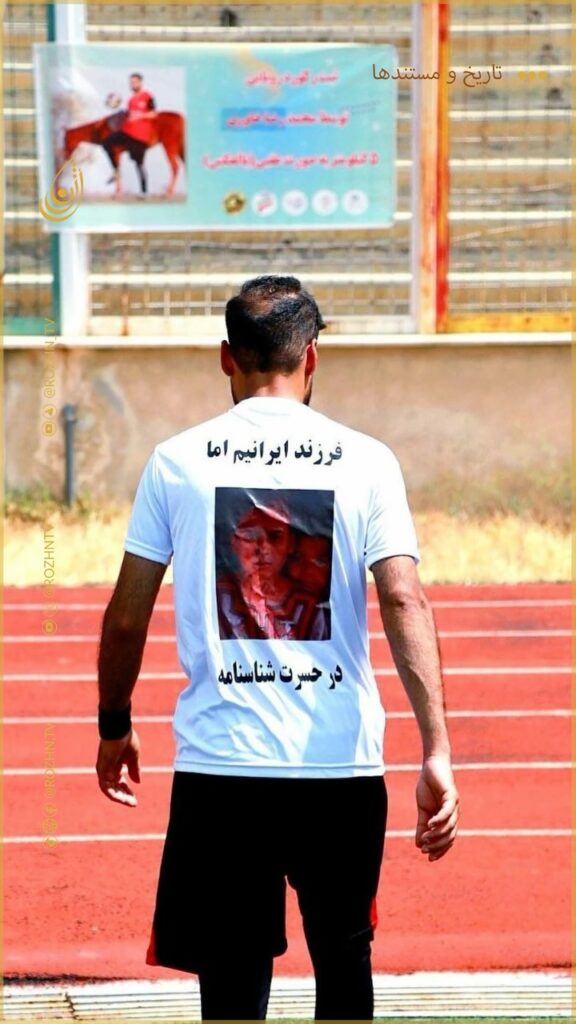
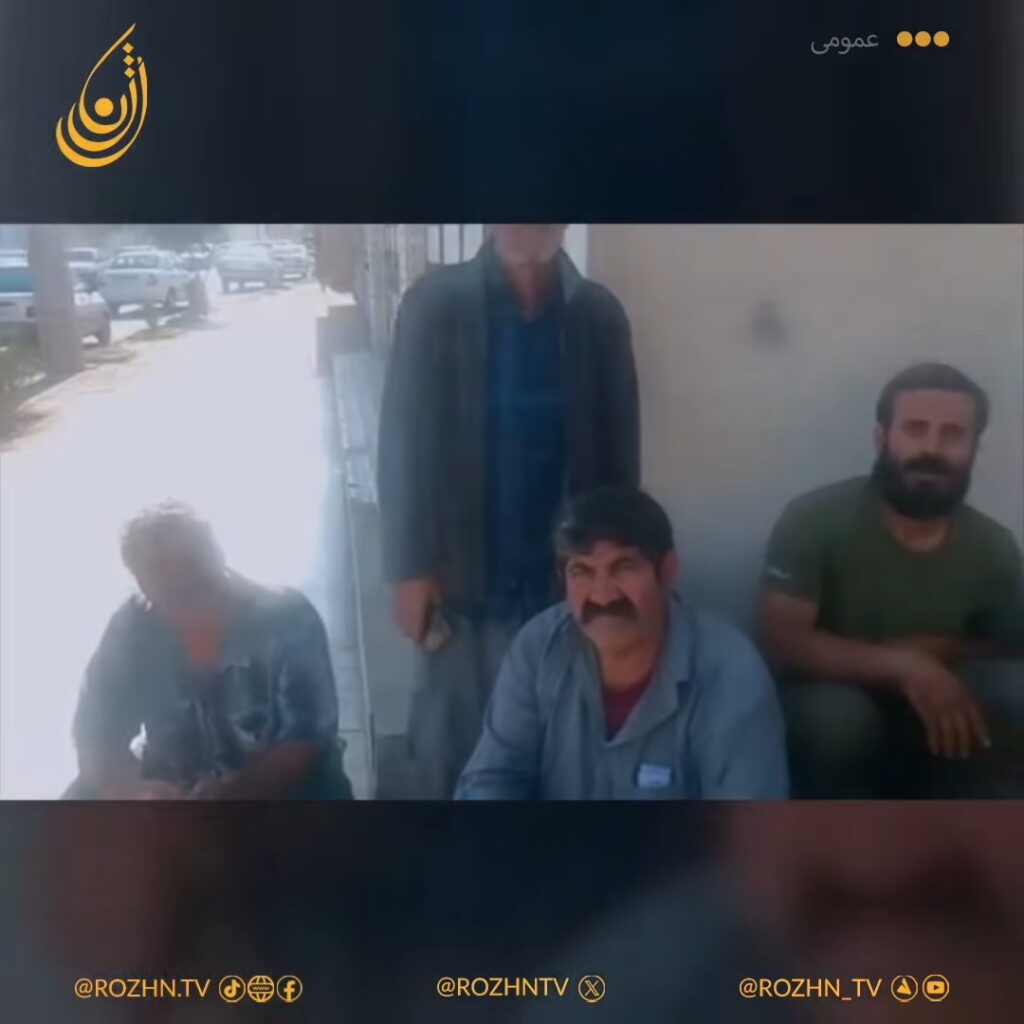
در روزهایی که جمهوری اسلامی با بحرانهای عمیق داخلی و منطقهای دستوپنجه نرم میکند، بار دیگر نگاه خود را به سمت بلوچستان معطوف کرده اما اینبار با وعدهای بهظاهر انساندوستانه: اعطای شناسنامه به بلوچهای فاقد مدارک هویتی.
اما آیا این اقدام، ریشه در عدالت دارد یا نقابیست بر چهرهای فریبکارانه برای کنترل و تسکین یک جمعیت محروم و معترض؟
طبق آمار رسمی، بیش از ۱۰۰ هزار نفر در بلوچستان فاقد اسناد هویتیاند. اما تحقیقات میدانی و گزارشهای سازمانهای مستقل حقوق بشری، عدد واقعی را بین ۳۰۰ تا ۳۵۰ هزار نفر برآورد میکنند؛ کودکانی که از آموزش محروماند، مادرانی که از خدمات درمانی بیبهرهاند، و خانوادههایی که حتی در فهرست رسمی کشورشان جایی ندارند. جمهوری اسلامی هیچگاه نسبت به هویت این افراد تردیدی نداشته است؛ مشکل، نه اثبات هویت بلکه انکارحق بوده است.
بلوچستان با مردمانی زخمخورده، جوانانی بیکار، و صدایی که هر روز بلندتر میشود،؛ یک تهدید بالقوه امنیتی برای نظام به شمار میآید. از اینرو دادن وعده شناسنامه، نه از سر انساندوستی بلکه تاکتیکی برای مهار خشم و اعتراض مردم است. وعدهای که نه مبتنی بر اعطای حقی واقعی بلکه بر پایه امیدی واهی و درگیر کردن مردم در فرایندی پیچیده، تبعیضآمیز و کنترلشده است.
نتیجه کاملا آشکار است؛ تا زمانیکه جمهوری اسلامی به تبعیض ساختاری علیه اقوام و مذاهب پایان ندهد، هر اقدام به ظاهر اصلاحگرایانه تنها پوششیست بر همان فریب دیرینه که با شعار “ایران برای همه ایرانیان” عرضه میشود؛ اما در عمل نه تنها بلوچ بلکه هویت و کرامت انسانی را به گروگان میگیرد.
ENA Critical Look at the Promise to Grant Birth Certificates to Baloch Without Identity Documents in BalochistanRead in English
At a time when the Islamic Republic is grappling with deep domestic and regional crises, it has once again turned its gaze toward Balochistan, but this time with a seemingly humanitarian promise: granting birth certificates to Baloch who lack identity documents.
But is this measure rooted in justice, or is it a mask over a deceptive face, meant to control and placate a deprived and protesting population?
According to official statistics, more than 100,000 people in Balochistan lack identity documents. But field research and reports from independent human rights organizations put the real number between 300,000 and 350,000: children deprived of education, mothers without access to medical services, and families who do not even have a place in their own country’s official records. The Islamic Republic has never doubted the identity of these people; the problem has not been proving identity but the denial of rights.
Balochistan, with its wounded people, unemployed youth and a voice that grows louder every day, is regarded as a potential security threat to the system. Hence the promise of birth certificates is not made out of humanitarianism but is a tactic to contain people’s anger and protest. It is a promise based not on granting a real right but on false hope and on entangling people in a complicated, discriminatory and controlled process.
The conclusion is quite clear: until the Islamic Republic ends structural discrimination against ethnic and religious groups, every seemingly reformist measure is merely a cover for the same longstanding deception, presented under the slogan “Iran for all Iranians”, yet in practice taking hostage not only the Baloch but human identity and dignity itself.