بلوچستان · ویدیو
تخریب خانه های مردم بلوچستان
تلویزیون رُژن | یکشنبه ۱۱ خرداد ۱۴۰۴ خورشیدی / ۱ ژوئن ۲۰۲۵ میلادی
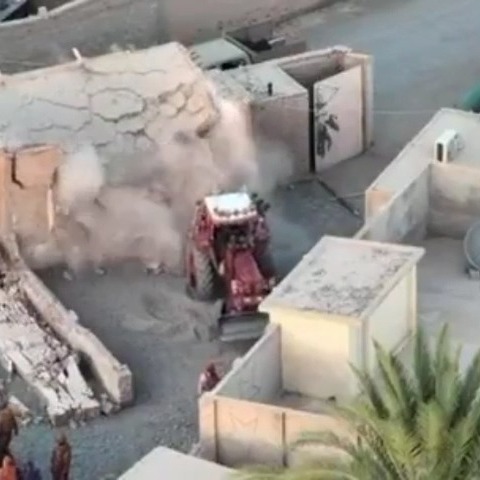
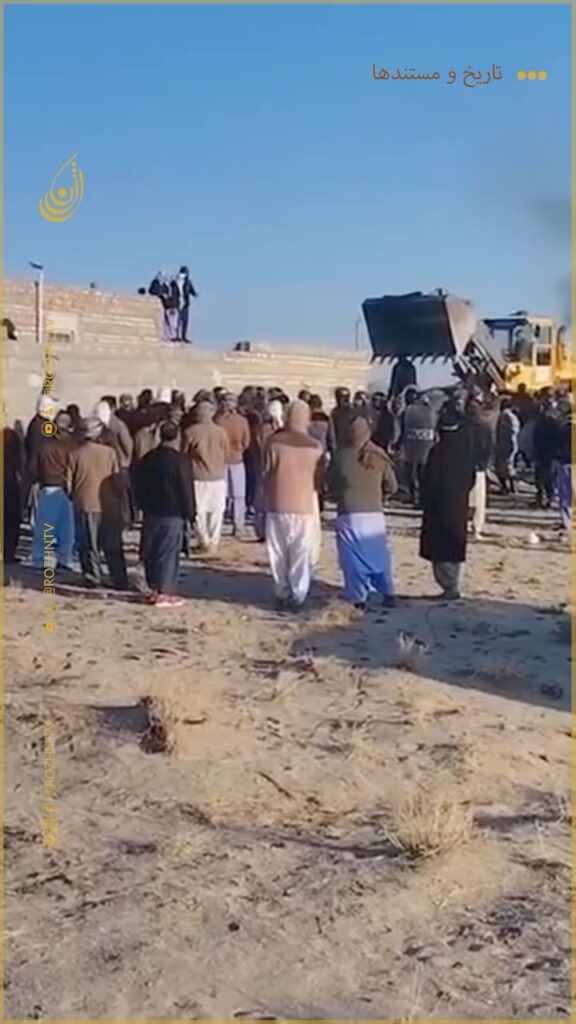
در بلوچستان، تخریب خانههای مردم دیگر به امری روزمره تبدیل شده است؛ صدایی از هیچکس برنمیآید، و فریاد این بیپناهان در هیاهوی سکوتی سنگین گم میشود. پس از ویران کردن خانههای مردم رمین در چابهار، اینبار نوبت به مردمان منزلآب رسید. مأموران مسکن و شهرسازی، با پشتیبانی کامل نیروهای امنیتی، با بیرحمی محض، سقفهای ناچیز مردم را بر سرشان خراب کردند. در این هجوم وحشیانه، دو تن مجروح شدند و چندین نفر را به بند کشیدند؛ اما هیچکس پاسخی نداد، گویی این درد بیدرمان در قاموس عدالت جایی ندارد.
آنچه در بلوچستان رخ میدهد، از زخمهای غزه نیز تلختر است؛ خانههایی که بر سر صاحبانش آوار میشود، کودکانی که بیپناه در میان خرابهها میگریند، و مردمانی که در سرزمین اجدادیشان غریبه شدهاند. بسیاری از معتمدین، در برابر این ظلم آشکار، لب فروبستهاند؛ مبادا که لقمهای از مواجبشان کاسته شود. اما این سکوت، صدای شکسته شدن استخوانهای یک ملت را خاموش نخواهد کرد.
بلوچستان، زخمی بر پیکر ایران است؛ زخمی که هر روز عمیقتر میشود. در این سرزمین، حتی هنر و موسیقی نیز به اسارت درآمدهاند، تا تصویری وارونه از حقیقت را به نمایش بگذارند. هنرمند بلوچ، خواسته یا ناخواسته، در پروژهای ننگین مشارکت میکند تا رژیم نشان دهد که بلوچستان، برای غیربومیان بهشتی امن، و برای صاحبان حقیقیاش جهنمی ویران است.
اما تاریخ، هرگز این خیانت را فراموش نخواهد کرد. هیچ ظلمی تا ابد باقی نخواهد ماند، و هیچ سکوتی جاودانه نخواهد شد. بلوچستان، اگرچه زخمی است، اما زخمهایش روزی فریاد خواهند شد، و دیوارهای ستم، فرو خواهند ریخت.
ENDemolition of the Homes of Balochistan’s PeopleRead in English
Rozhn TV | Sunday, June 1, 2025
In Balochistan, the demolition of people’s homes has become an everyday occurrence; no one raises a voice, and the cries of these defenseless people are lost in the clamor of a heavy silence. After the destruction of the homes of the people of Ramin in Chabahar, it was now the turn of the people of Manzel-Ab. Officials of the Housing and Urban Development department, with the full backing of the security forces, mercilessly brought the people’s meager roofs down on their heads. In this savage assault, two people were wounded and several were taken into custody; yet no one answered, as if this incurable pain has no place in the lexicon of justice.
What is happening in Balochistan is even more bitter than the wounds of Gaza: houses collapsing on their owners, children weeping helplessly among the ruins, and people who have become strangers in their ancestral land. Many respected local figures have sealed their lips in the face of this blatant injustice, lest a morsel be cut from their salaries. But this silence will not drown out the sound of a nation’s bones breaking.
Balochistan is a wound on the body of Iran, a wound that deepens every day. In this land, even art and music have been taken captive, made to present an inverted picture of the truth. The Baloch artist, willingly or unwillingly, takes part in a shameful project so that the regime can show that Balochistan is a safe paradise for non-natives and a devastated hell for its true owners.
But history will never forget this betrayal. No injustice will last forever, and no silence will become eternal. Balochistan, though wounded, will one day see its wounds become a cry, and the walls of oppression will come crashing down.