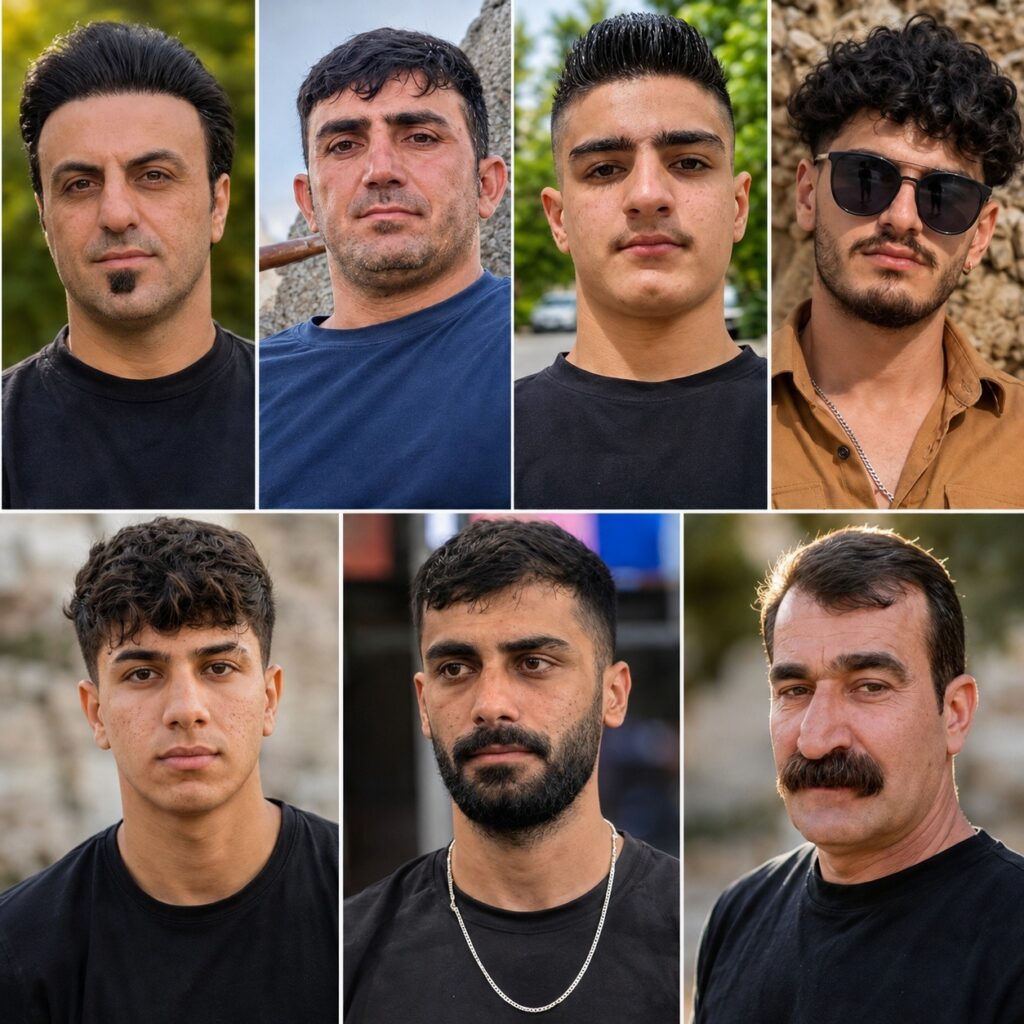
تبعیض سیستماتیک علیه کارگران بومی در منطقه مکران؛ سکوت نهادهای مسئول ادامه دارد
ENSystematic Discrimination Against Native Workers in the Makran Region; Silence of Responsible Bodies ContinuesRead in English
Sunday, April 20, 2025
Field reports on the situation of native workers in industrial and agricultural projects in the Makran region point to widespread, structured discrimination in wages, benefits and access to financial facilities; discrimination that is not only contrary to the principles of the Constitution and the country’s labor laws, but has also been met with silence from the supervisory bodies.
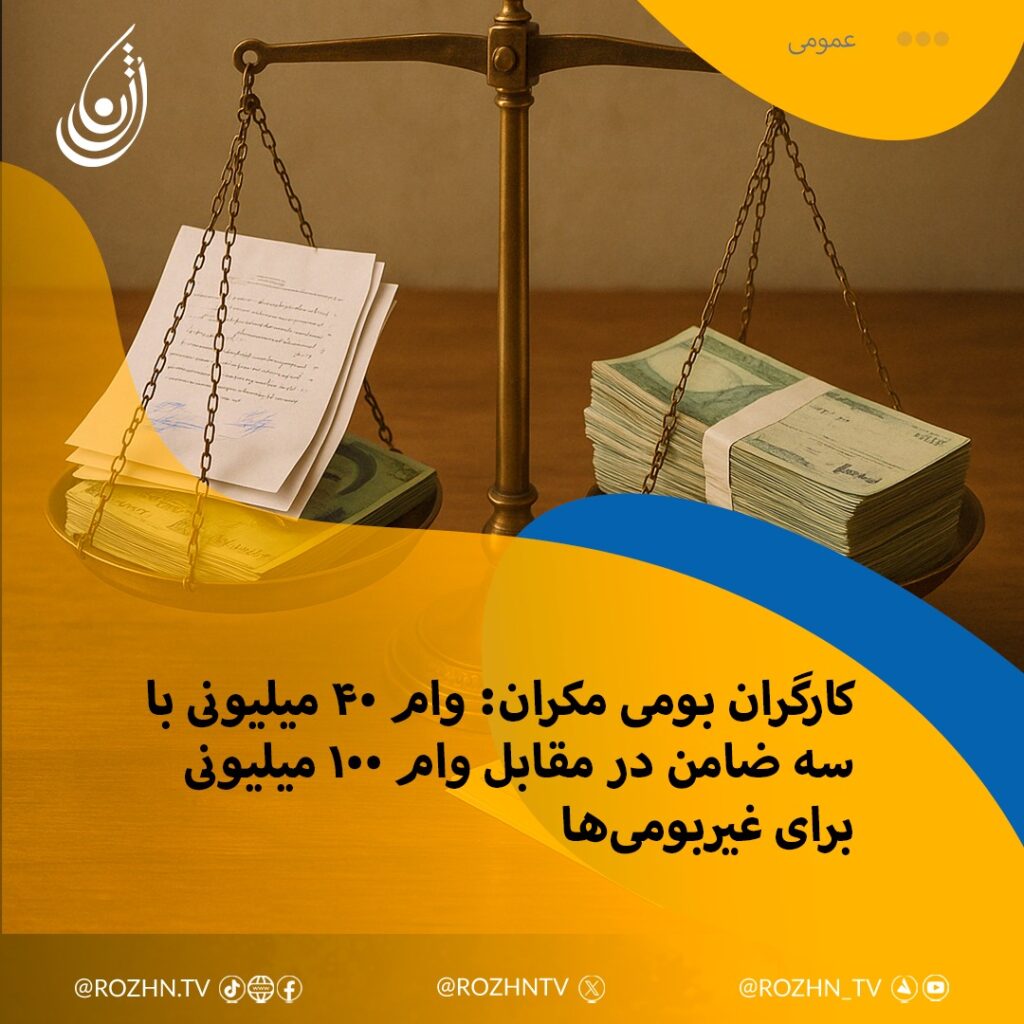
Unfair Financial Facilities: To receive small loans of up to 40 million tomans, native workers are required to introduce three official guarantors, while non-native workers receive loans of up to 100 million tomans merely by presenting a single cheque and without any administrative guarantee.
Unequal Wages: Studies show that the daily wages of native workers are up to 20% lower than those of their non-native counterparts, even though under Article 36 of the Labor Law and Articles 19 and 20 of the Constitution, any discrimination in pay for equal work is unlawful.
Unresponsive Institutions: Despite numerous complaints from workers to the Makran Agro-Industrial Company, the Ministry of Labor and local inspection bodies, no serious action has been taken to correct this practice, and the responses have been limited to empty promises.
Clear Legal Basis: Discrimination in access to resources is contrary to Article 45 of the Constitution, Article 158 of the Fair Water Distribution Law, and also the interpretation of Article 15 of the International Covenant on Economic, Social and Cultural Rights, documents to which Iran has also acceded.
Specific demands of native workers:
An immediate inspection by the Ministry of Cooperatives, Labor and Social Welfare
Removal of discriminatory clauses from the company’s internal regulations
Formation of a public oversight committee with the participation of independent workers’ representatives
❓ The fundamental question: Why should native workers, who are the backbone of development projects in the country’s southeast, continue to be deprived of the minimums of equality and justice, and that in the silence and indifference of the responsible bodies?