بلوچستان · ویدیو
بلوچستان: منبع انرژی برای دیگران، بحران برای خودیها
تلویزیون رُژن | چهارشنبه ۱۵ مرداد ۱۴۰۴ خورشیدی / ۶ اوت ۲۰۲۵ میلادی
تحلیل سیاستهای انتقال منابع از بلوچستان ایران و پاکستان
در دو سوی مرز ایران و پاکستان، واقعیتی تلخ و مشترک حاکم است: بلوچستان، سرزمینی سرشار از منابع طبیعی چون گاز و آب، اما مردم بومیاش در فقر، تشنگی و بیبرقی بهسر میبرند.
در پاکستان، گاز از مناطق جنوبی بلوچستان چون دُرّ بگتی استخراج و به شهرهای بزرگی چون کراچی و اسلامآباد منتقل میشود؛ اما بسیاری از روستاهای اطراف چاههای گاز، هنوز از نعمت گاز شهری، برق پایدار و حتی خدمات درمانی محروماند.
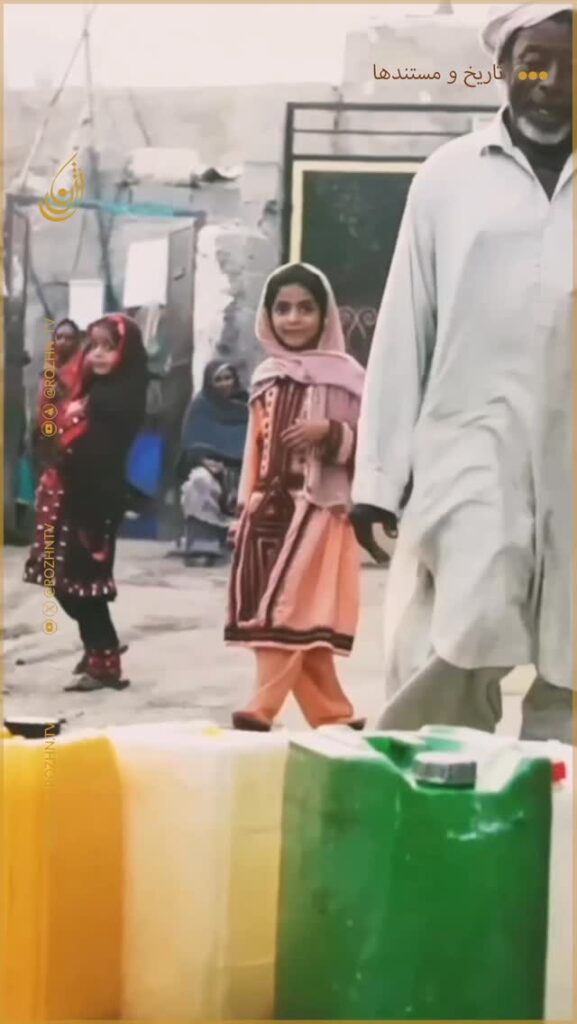
در ایران نیز، پروژه انتقال آب از سواحل بلوچستان به اصفهان، بدون در نظر گرفتن نیازهای آبی مردم محلی اجرا میشود. مردمی که در چند قدمی لولههای میلیاردی انتقال آب زندگی میکنند، برای هر لیتر آب، باید کیلومترها راه بروند.
این وضعیت نتیجه سیاستهای مرکزگرایانه و تبعیضآمیز در هر دو کشور است. منابع بلوچستان بدون بازگشت سرمایه اجتماعی، شغل یا خدمات، به خارج منتقل میشوند – پدیدهای که تحلیلگران از آن با عنوان استعمار داخلی یاد میکنند.
چگونه میتوان از دریایی که مردمش تشنهاند، آب گرفت؟ و چگونه میتوان بر روی گازی که مردمش در سرما میلرزند، کارخانه ساخت؟
راهحل، نه فنیست و نه اقتصادی؛ بلکه سیاسیست. توسعه پایدار زمانی معنا دارد که با عدالت، مشارکت و توانمندسازی مردم بومی همراه باشد.
ENBalochistan: An Energy Source for Others, a Crisis for Its Own PeopleRead in English
Rozhn TV | Wednesday, August 6, 2025
An analysis of policies for transferring resources out of Iranian and Pakistani Balochistan
On both sides of the Iran-Pakistan border, a bitter and shared reality prevails: Balochistan is a land rich in natural resources such as gas and water, yet its indigenous people live in poverty, thirst and without electricity.
In Pakistan, gas is extracted from southern areas of Balochistan such as Dera Bugti and transferred to large cities such as Karachi and Islamabad; yet many villages around the gas wells are still deprived of piped gas, stable electricity and even health services.
In Iran too, the project to transfer water from the Balochistan coast to Isfahan is being carried out without regard for the water needs of local people. People who live a few steps from the billion-toman water transfer pipes must walk kilometers for every liter of water.
This situation is the result of centralist and discriminatory policies in both countries. Balochistan’s resources are transferred out without any return of social capital, jobs or services, a phenomenon analysts describe as internal colonialism.
How can water be drawn from a sea whose people are thirsty? And how can factories be built on top of gas while its people shiver in the cold?
The solution is neither technical nor economic; it is political. Sustainable development makes sense only when it is accompanied by justice, participation and the empowerment of the indigenous people.