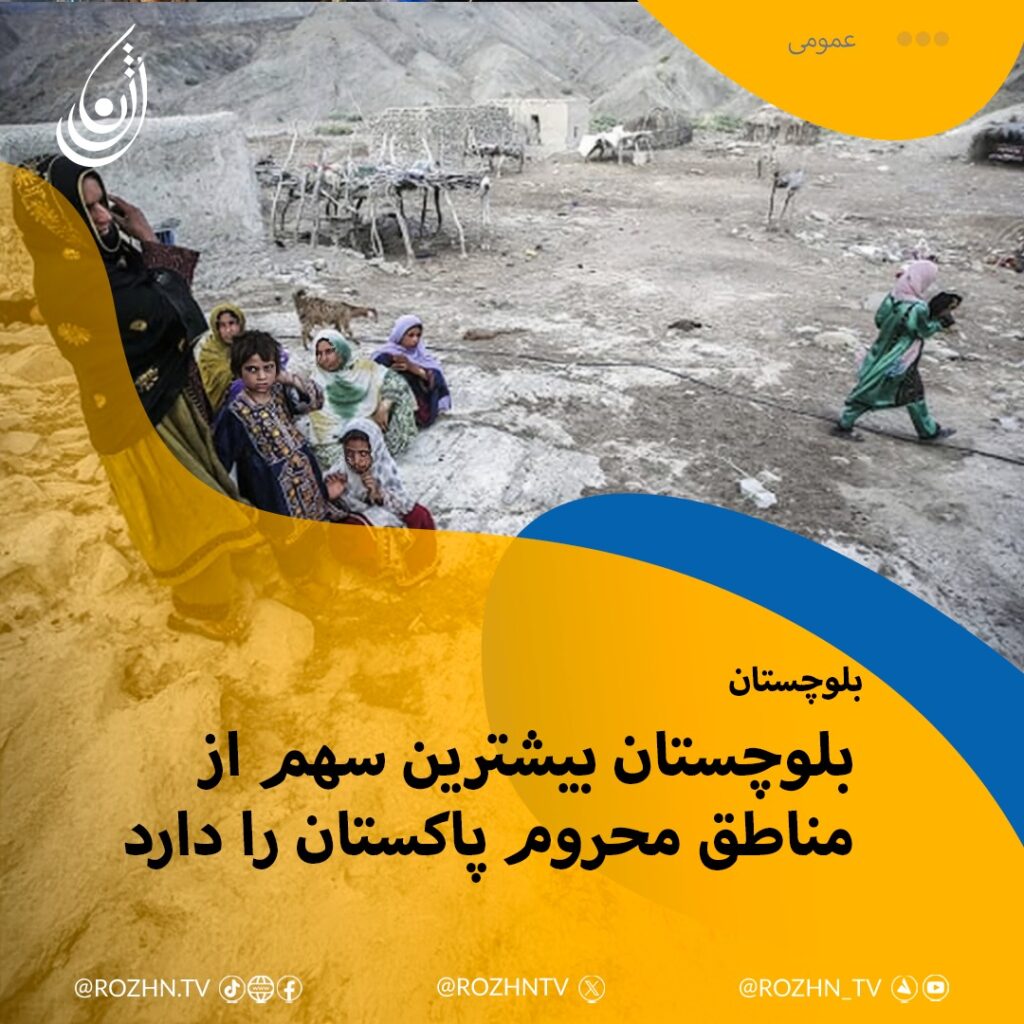
بلوچستان در صدر مناطق محروم؛ با وجود تأمین انرژی کشور
گزارش تلویزیون رُژن | دوشنبه ۲۶ آبان ۱۴۰۴ / ۱۷ نوامبر ۲۰۲۵
پاکستان پاپولیشن کونسل گزارش تازهای منتشر کرده که در آن فهرست ۲۰ منطقه زیر اداره پاکستان با پایینترین شاخصهای توسعه اعلام شده است
طبق این گزارش ۱۷ مورد از این ۲۰ منطقه در بلوچستان قرار دارند
در بین این مناطق نام واشک خضدار کوہلو ژوب ماشکیل ڈیرہ بگٹی قلعہ سیفالله و قلات ذکر شده است
همچنین جهل مگسی نصیرآباد آواران خاران شیرانی و پنجگور نیز در فهرست مناطق بسیار محروم قرار گرفتهاند
از استان خیبرپختونخوا مناطق کوهستان و شمالی وزیرستان و از استان سند منطقه تھرپارکر نیز در این فهرست دیده میشوند
بر اساس گزارش ۶۵ درصد خانهها در مناطق بسیار ضعیف پاکستان کاهگلی یا غیر استاندارد هستند و در جهل مگسی این رقم به ۹۷ درصد میرسد
در بسیاری از مناطق بلوچستان کمبود جاده حملونقل و خدمات تلفن و ارتباطات مشاهده میشود و این ضعف ارتباطی بر امدادرسانی و پروژههای توسعهای اثر مستقیم دارد
با وجود اینکه بیش از ۴۰ درصد گاز و منابع طبیعی مورد استفاده در سایر بخشهای پاکستان از بلوچستان استخراج میشود بسیاری از مناطق خود بلوچستان همچنان با کمبود انرژی و نبود زیرساختهای ضروری روبهرو هستند و این مسئله در گزارش نیز به عنوان یکی از عوامل نابرابری توسعهای مطرح شده است
گزارش میگوید در بخش اشتغال ۱۵ مورد از ۲۰ منطقه دارای بدترین وضعیت در بلوچستان قرار دارند و نرخ بیکاری و کار خانگی بدون مزد در بلوچستان و خیبرپختونخوا بالاتر از سایر مناطق است
از نظر دسترسی به خدمات درمانی نیز بلوچستان و خیبرپختونخوا در پایینترین سطح قرار دارند و در برخی مناطق فاصله تا نزدیکترین مرکز درمانی بیش از ۳۰ کیلومتر است
براساس این گزارش تعداد مدارس در کراچی بیشترین و در بلوچستان کمترین است و فاصله تا مدارس متوسطه و دبیرستان مخصوص دختران در بلوچستان، طولانیترین فاصله در میان تمام استانها محسوب میشود
ENBalochistan Tops List of Deprived Regions Despite Supplying the Country’s EnergyRead in English
Rozhn TV | Monday, November 17, 2025
The Pakistan Population Council has released a new report listing the 20 districts under Pakistan’s administration with the lowest development indicators.
According to the report, 17 of these 20 districts are in Balochistan.
Among these districts, the report names Washuk, Khuzdar, Kohlu, Zhob, Mashkel, Dera Bugti, Qila Saifullah and Kalat.
Jhal Magsi, Naseerabad, Awaran, Kharan, Sherani and Panjgur have also been placed on the list of highly deprived districts.
From Khyber Pakhtunkhwa, the districts of Kohistan and North Waziristan appear on the list, as does Tharparkar from Sindh.
According to the report, 65 percent of homes in Pakistan’s very poor districts are made of mud or are substandard, and in Jhal Magsi this figure reaches 97 percent.
In many areas of Balochistan there is a shortage of roads, transport, and telephone and communication services, and this communications weakness has a direct effect on relief efforts and development projects.
Although more than 40 percent of the gas and natural resources used in other parts of Pakistan is extracted from Balochistan, many areas of Balochistan itself still face energy shortages and a lack of essential infrastructure, and the report also cites this as one of the factors behind uneven development.
The report says that in employment, 15 of the 20 districts with the worst conditions are in Balochistan, and that the rates of unemployment and unpaid domestic work are higher in Balochistan and Khyber Pakhtunkhwa than in other regions.
In access to health services, too, Balochistan and Khyber Pakhtunkhwa are at the lowest level, and in some areas the distance to the nearest health center is more than 30 kilometers.
According to the report, Karachi has the largest number of schools and Balochistan the fewest, and the distance to middle and high schools for girls in Balochistan is the longest among all provinces.