
بلوچستان · ویدیو
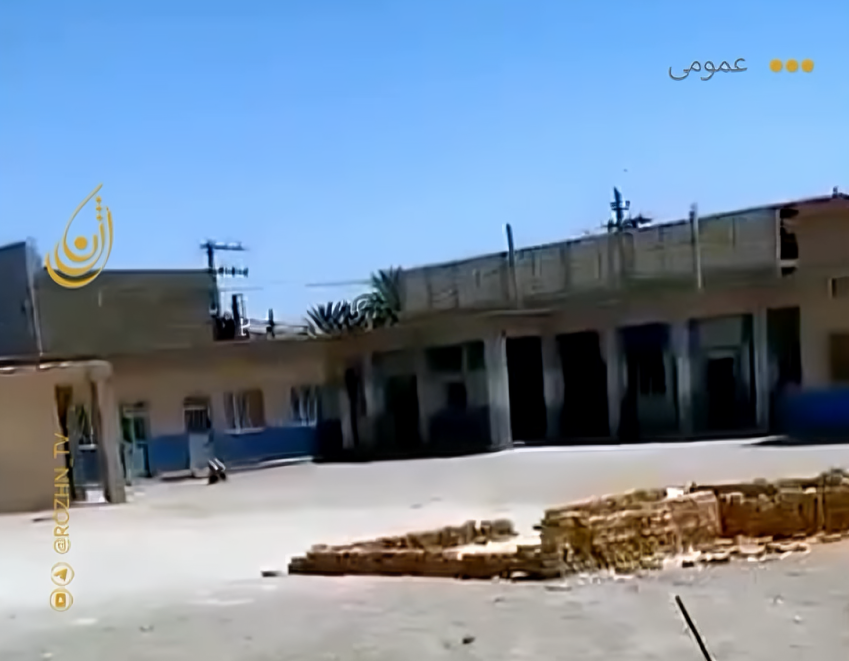
بحران زیرساختهای آموزشی در بلوچستان؛ مدارس بدون آب، برق و معلم
ENCrisis in Educational Infrastructure in Balochistan: Schools Without Water, Electricity and TeachersRead in English
Rozhn TV | Sunday, April 20, 2025
While the government has repeatedly spoken of educational justice, hundreds of schools in Balochistan province still lack the most basic welfare and educational facilities. The absence of drinking water, electricity, heating or cooling systems, and even toilets is only part of the structural problems of the schools in this deprived province.
Many students are forced to get through the hot days of summer and the cold of winter in half-ruined, unventilated classrooms, with nothing but a notebook and a pencil. The lack of basic educational equipment, including textbooks and teaching aids, has caused learning levels to drop sharply.
On the other hand, the shortage of specialized and experienced teachers, especially in rural and remote areas, means that some classes are held for months without a teacher or are taught by people without the relevant expertise.
Teachers working in these areas also face low pay, no job security and a lack of welfare facilities. They say they no longer have any motivation to continue working in conditions where there is neither institutional support nor professional guarantees.
Social and civil activists in Balochistan have repeatedly warned about educational injustice and structural discrimination. According to them, development without education is an empty slogan, and any lasting progress requires real investment in education.
The public demand in Balochistan is that the government allocate sufficient human and financial resources to these areas, so that the children who today study in classrooms without desks, water and teachers can build a brighter future tomorrow.
A post shared by Rozhn TV (@rozhn_tv)



