بحران آب در بلوچستان
تلویزیون رُژن | پنجشنبه ۱۶ مرداد ۱۴۰۴ خورشیدی / ۷ اوت ۲۰۲۵ میلادی
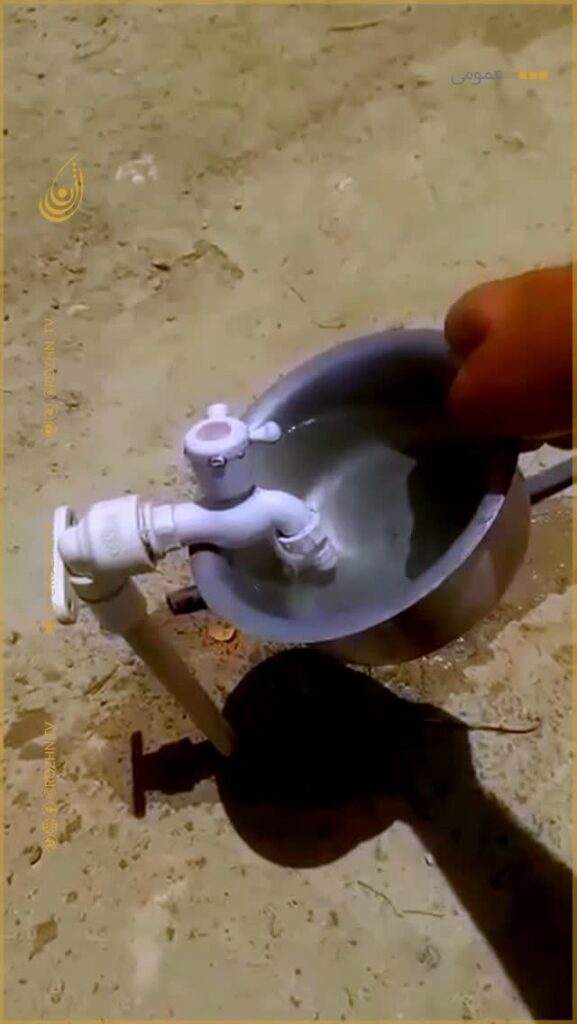
با ورود به فصل گرما و افزایش دما در بلوچستان، بحران آب در روستاهای این استان به یکی از چالشهای جدی تبدیل شده است. در روزهای اخیر، قطع آب در برخی از روستاها به ویژه در مناطقی که دمای هوا به بالای 40 درجه سانتیگراد میرسد، مشکلات زیادی برای شهروندان به وجود آورده است.
عدم دسترسی به آب آشامیدنی در این شرایط سخت نه تنها زندگی روزمره مردم را تحت تأثیر قرار داده، بلکه به سلامت و بهداشت آنان نیز آسیب میزند. بسیاری از روستاییان برای تأمین آب مورد نیاز خود مجبور به طی مسافتهای طولانی هستند که این موضوع علاوه بر ایجاد زحمت، زمان و انرژی زیادی را نیز از آنها میگیرد.
از جمله مشکلات ناشی از این بحران میتوان به افزایش خطر ابتلا به بیماریهای آبزی و بهداشتی، کاهش تولیدات کشاورزی و همچنین تنشهای اجتماعی ناشی از رقابت برای منابع محدود اشاره کرد.
این وضعیت نیازمند توجه فوری مسئولین و ارائه راهکارهای موثر برای مدیریت بحران آب است. اجرای طرحهای آبرسانی، استفاده از منابع آب زیرزمینی به صورت پایدار و همچنین آموزش مردم در زمینه صرفهجویی در مصرف آب میتواند به بهبود شرایط کمک کند.
در نهایت، انتظار میرود که با همکاری نهادهای دولتی و محلی، تدابیر لازم برای حل این معضل اتخاذ شود تا شهروندان بلوچستان بتوانند از حقوق اولیه خود بهرهمند شوند.
ENWater Crisis in BalochistanRead in English
Rozhn TV | Thursday, August 7, 2025
With the arrival of the hot season and rising temperatures in Balochistan, the water crisis in the villages of the province has become one of its serious challenges. In recent days, water cuts in some villages, especially in areas where temperatures reach above 40 degrees Celsius, have caused citizens great difficulties.
The lack of access to drinking water in these harsh conditions has not only affected people’s daily lives but also harms their health and hygiene. Many villagers have to travel long distances to get the water they need, which, besides being a hardship, also costs them a great deal of time and energy.
Among the problems resulting from this crisis are an increased risk of waterborne and hygiene-related diseases, reduced agricultural production, and social tensions arising from competition over limited resources.
This situation requires the urgent attention of officials and effective solutions for managing the water crisis. Carrying out water supply projects, using groundwater sustainably, and educating people about saving water could help improve conditions.
Ultimately, it is expected that, with the cooperation of government and local bodies, the necessary measures will be taken to resolve this problem so that the citizens of Balochistan can enjoy their basic rights.