با وجود سرمایهگذاریهای کلان، آمار رسمی همچنان از تداوم فقر در بلوچستان حکایت دارد
تلویزیون رُژن | یکشنبه ۲۴ خرداد ۱۴۰۵ | ۱۴ ژوئن ۲۰۲۶
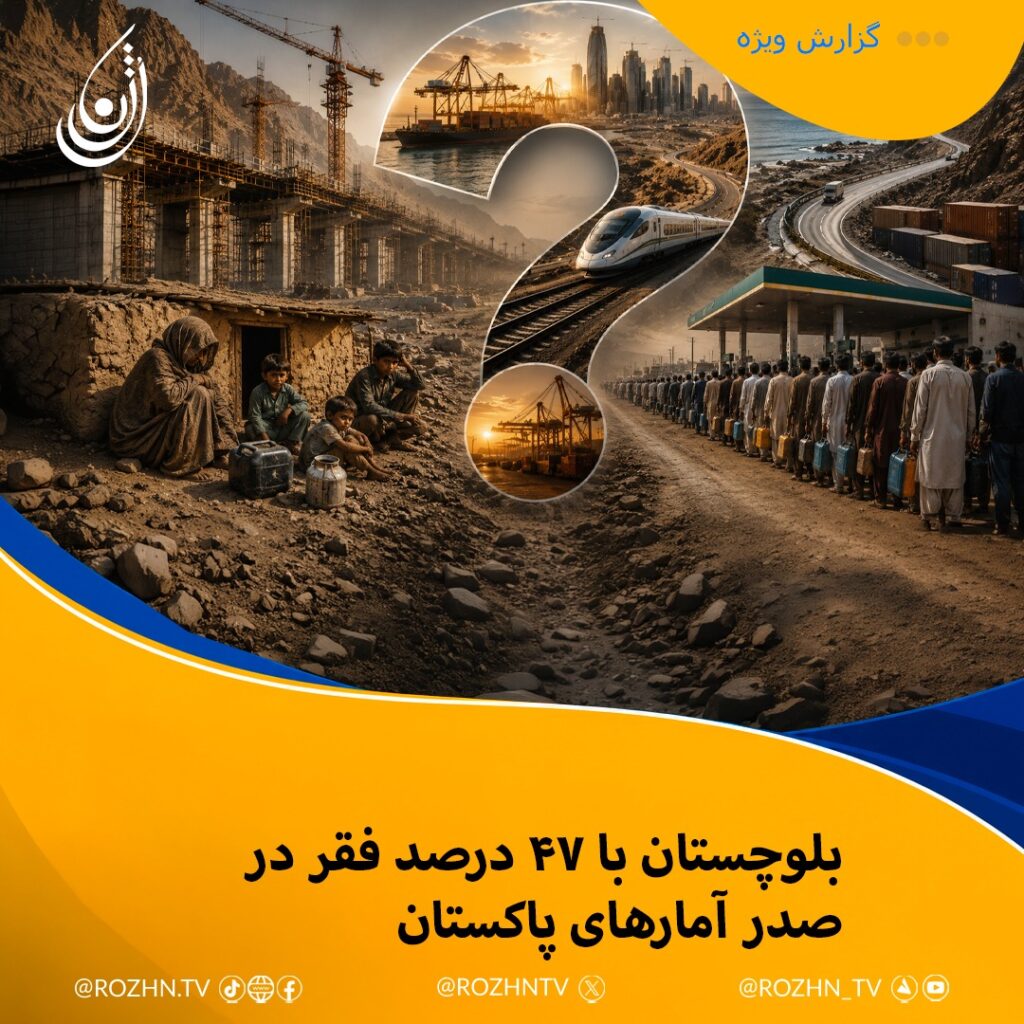
بر اساس گزارش «بررسی اقتصادی پاکستان ۲۰۲۵ تا ۲۰۲۶» نرخ فقر در بلوچستان به ۴۷ درصد رسیده که بالاترین میزان در میان مناطق پاکستان گزارش شده است
این گزارش همچنین نشان میدهد که طی سالهای گذشته شمار افراد زیر خط فقر در پاکستان افزایش یافته است
در همین مدت پروژههای اقتصادی و زیرساختی متعددی با مشارکت سرمایهگذاران خارجی از جمله طرح کریدور اقتصادی چین و پاکستان و سایر برنامههای توسعهای در منطقه معرفی شدهاند
حامیان این طرحها معتقدند این پروژهها ظرفیت ایجاد فرصتهای اقتصادی، توسعه زیرساختها و گسترش تجارت را دارند
با این حال آمارهای اقتصادی منتشرشده نشان میدهد که بخش قابل توجهی از ساکنان بلوچستان همچنان با چالشهایی مانند فقر، بیکاری، کمبود زیرساختها و دسترسی محدود به برخی خدمات عمومی روبهرو هستند
در پی انتشار این آمارها برخی شهروندان، فعالان مدنی و ناظران اقتصادی خواستار شفافیت بیشتر درباره نتایج پروژههای توسعهای، میزان تأثیر سرمایهگذاریها بر زندگی مردم و سهم جوامع محلی از منافع اقتصادی این طرحها شدهاند
بسیاری از خانوادهها امیدوارند درآمدها و سرمایهگذاریهای آینده بیش از پیش در مسیر ایجاد فرصتهای شغلی، توسعه آموزش، بهبود خدمات درمانی، گسترش زیرساختها و کاهش محرومیت هزینه شود
برای بسیاری از شهروندان موفقیت هر پروژه اقتصادی زمانی معنا پیدا میکند که آثار آن در زندگی روزمره مردم، رفاه خانوادهها و آینده نسلهای بعدی قابل مشاهده باشد
توسعه پایدار زمانی محقق میشود که رشد اقتصادی همراه با بهبود کیفیت زندگی شهروندان و کاهش فقر در مناطق مختلف باشد
ENDespite Large Investments, Official Figures Continue to Show Persistent Poverty in BalochistanRead in English
Rozhn TV | Sunday, June 14, 2026
According to the “Pakistan Economic Survey 2025-26” report, the poverty rate in Balochistan has reached 47 percent, reported as the highest among Pakistan’s regions.
The report also shows that over the past years the number of people below the poverty line in Pakistan has increased.
During the same period, numerous economic and infrastructure projects involving foreign investors, including the China-Pakistan Economic Corridor and other development programs, have been introduced in the region.
Supporters of these projects believe they have the potential to create economic opportunities, develop infrastructure and expand trade.
However, the published economic statistics show that a significant portion of Balochistan’s residents still face challenges such as poverty, unemployment, a lack of infrastructure and limited access to certain public services.
Following the publication of these figures, some citizens, civil activists and economic observers have called for greater transparency about the results of development projects, the impact of investments on people’s lives, and the local communities’ share of the economic benefits of these projects.
Many families hope that future revenues and investments will increasingly be spent on creating jobs, developing education, improving healthcare services, expanding infrastructure and reducing deprivation.
For many citizens, the success of any economic project takes on meaning when its effects are visible in people’s daily lives, families’ well-being and the future of coming generations.
Sustainable development is achieved when economic growth goes hand in hand with improving citizens’ quality of life and reducing poverty in different regions.