
بلوچستان · ویدیو
ایرانشهر؛ جایی برای توسعه یا حذف؟
تلویزیون رُژن | امروز پنجشنبه ۱۲ تیر ۱۴۰۴ خورشیدی، برابر با ۳ ژوئیه ۲۰۲۵ میلادی است
در سایه قلعهی تاریخی ایرانشهر، یکی از معدود نمادهای معماری و تمدن بلوچستان، صحنهای غمانگیز در حال تکرار است؛ دستفروشان محرومی که نیمهشب، توسط نیروهای شهرداری از خیابان رانده میشوند، میوههایشان مصادره میشود، و سایبانهای سادهشان در هم شکسته و به گوشهای پرتاب میگردد.
اما اینجا، درست در کنار یک بنای تاریخی مهم، میتوانست داستانی دیگر رقم بخورد.
در بسیاری از شهرهای بزرگ و تاریخی جهان – از استکهلم تا رم، آتن و لندن – حفاظت از فضاهای باستانی نهتنها یک اولویت فرهنگی، بلکه بخشی از سیاستگذاری اقتصادی و اجتماعی بهشمار میرود. در این شهرها، اطراف قلعهها، میدانهای قدیمی و بازارهای سنتی به فضاهایی زنده و پویا برای مردم محلی و گردشگران تبدیل شدهاند.
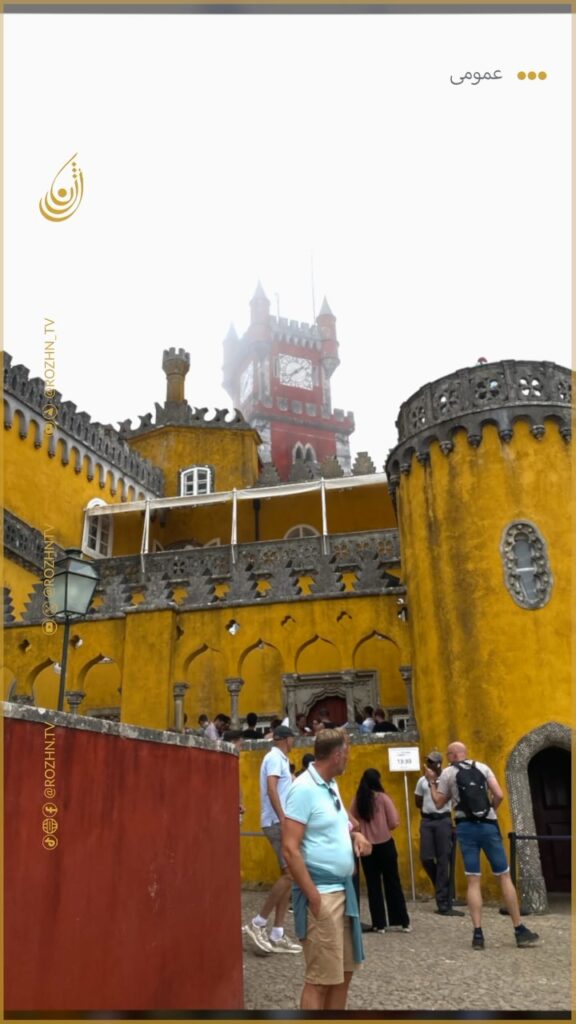
در این میان، لیسبون در پرتغال نمونهای شاخص از چنین نگاه هوشمندانهای است. در اطراف قلعه تاریخی لیسبون، بازارهای محلی با طراحی زیبا، غرفههای میوه و سبزی تازه، صنایعدستی محلی و موسیقی خیابانی فضایی دلنشین برای عموم ایجاد کردهاند. دولت محلی با حفظ هویت تاریخی، توانسته است اشتغال، گردشگری و رفاه اجتماعی را همزمان ارتقا دهد.
اما در ایرانشهر، با وجود داشتن قلعهای تاریخی و ارزشمند در قلب شهر، شاهد برخوردهایی هستیم که نهتنها با میراث فرهنگی همخوانی ندارد، بلکه با شأن انسانی نیز بیگانه است.
چندی پیش، درست در سایه این بنای تاریخی، مأموران شهرداری در ساعت ۲ بامداد به سراغ دستفروشان محلی رفتند، سایبانها و میوههای آنان را جمعآوری کردند، سبدها را به خیابان انداختند، و حتی اجناس را به زمین ریختند.
بیش از ۴۰۰ خانوار از فروش همین محصولات معیشت خود را تأمین میکنند. این افراد، عمدتاً از اقشار کمدرآمد هستند؛ پیرزنان، سالمندان، و جوانانی که بهدلیل نبود فرصت شغلی، به این کار روی آوردهاند. اما بهجای آنکه شهرداری ایرانشهر از ظرفیت اقتصادی و فرهنگی این بازار محلی بهره ببرد، با برخورد قهری، اعتماد عمومی و چهره شهر را تخریب کرده است.
ENIranshahr: A Place for Development or Elimination?Read in English
Rozhn TV | Thursday, July 3, 2025
In the shadow of Iranshahr’s historic fort, one of the few symbols of Balochistan’s architecture and civilization, a sad scene keeps repeating: deprived street vendors who are driven off the street by municipal forces in the middle of the night, their fruit confiscated, and their simple awnings smashed and thrown aside.
But here, right beside an important historic monument, a different story could have been written.
In many of the world’s large and historic cities – from Stockholm to Rome, Athens and London – protecting ancient spaces is not only a cultural priority but is also considered part of economic and social policy. In these cities, the areas around fortresses, old squares and traditional markets have become lively, dynamic spaces for locals and tourists.
Among these, Lisbon in Portugal is a prominent example of such a smart approach. Around Lisbon’s historic castle, local markets with attractive design, stalls of fresh fruit and vegetables, local handicrafts and street music have created a pleasant space for the public. By preserving its historic identity, the local government has managed to improve employment, tourism and social well-being at the same time.
But in Iranshahr, despite having a valuable historic fort in the heart of the city, we are witnessing treatment that is not only out of keeping with cultural heritage but is also alien to human dignity.
Not long ago, right in the shadow of this historic monument, municipal officers went after local street vendors at 2 a.m., collected their awnings and fruit, threw baskets into the street, and even dumped the goods on the ground.
More than 400 households earn their livelihood from selling these very products. These people are mostly from low-income groups: elderly women, older men, and young people who have turned to this work because of the lack of job opportunities. But instead of Iranshahr’s municipality drawing on the economic and cultural potential of this local market, it has damaged public trust and the city’s image through heavy-handed treatment.



