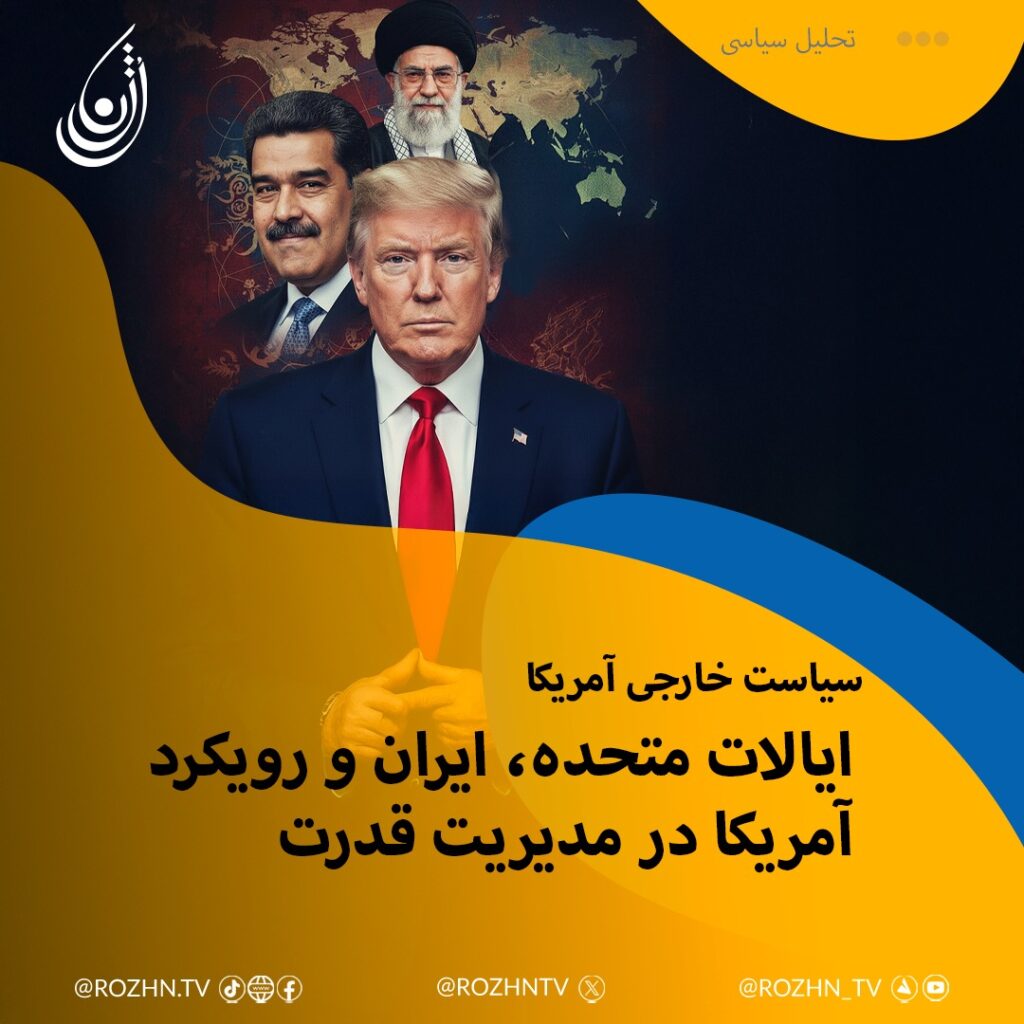
ایالات متحده، ایران و رویکرد آمریکا در مدیریت قدرت
تلویزیون رُژن | دوشنبه ۱۵ دی ۱۴۰۴ / ۵ ژانویه ۲۰۲۶
در دوران ریاستجمهوری دونالد ترامپ، سیاست خارجی ایالات متحده بر حفاظت از شهروندان آمریکایی، مسئولیت دولتها در نظام بینالملل و پرهیز از درگیریهای نظامی طولانیمدت متمرکز بود. این چارچوب در برخورد واشنگتن با پروندههای مختلف جهانی، از خاورمیانه تا آمریکای لاتین، بهطور مشخص قابل مشاهده است.
روابط ایران و ایالات متحده ریشه در چند دهه تنش دارد. یکی از نقاط محوری این تاریخ، اشغال سفارت ایالات متحده در تهران در سال ۱۹۷۹ و گروگانگیری دیپلماتهای آمریکایی است؛ رویدادی که همچنان در حافظه سیاسی و امنیتی آمریکا جایگاه ویژهای دارد و در مباحث سیاست خارجی بهعنوان نمونهای از نقض عرفهای دیپلماتیک و پیامدهای بلندمدت آن مورد اشاره قرار میگیرد. ارجاع به این حادثه در گفتمان سیاسی آمریکا معمولاً با هدف تأکید بر ضرورت حفاظت از نهادهای دیپلماتیک و کارکنان آنها صورت میگیرد.
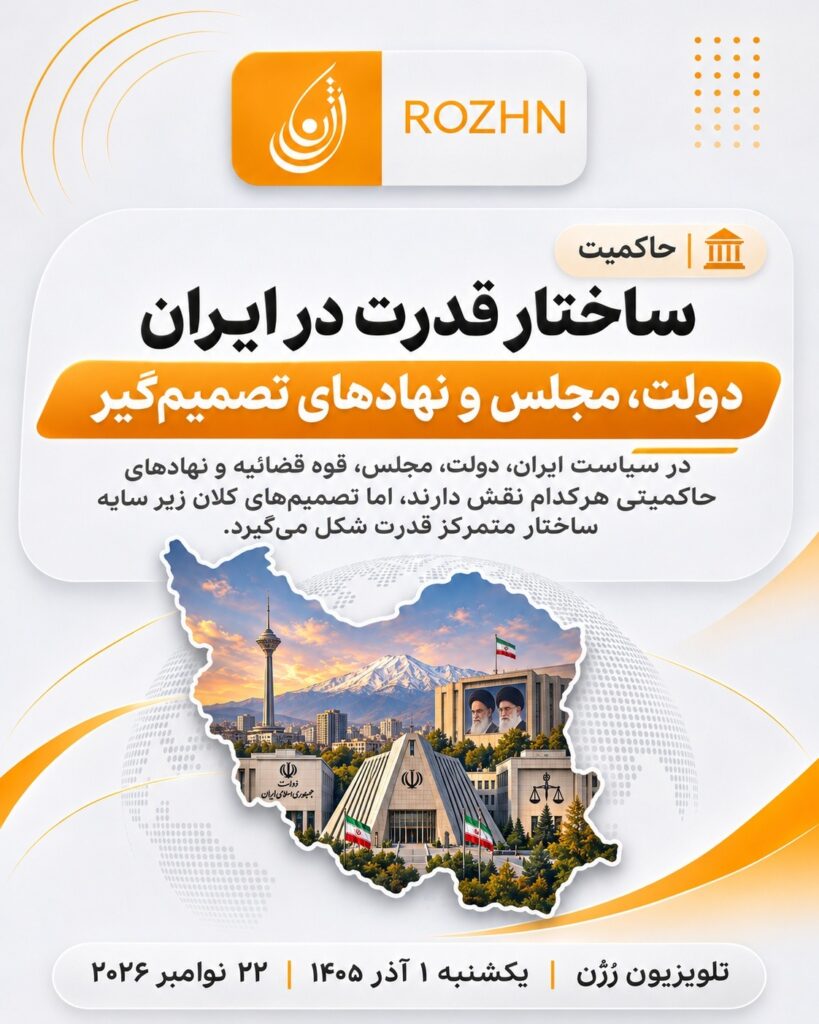
ساختار قدرت در ایران بهگونهای است که تصمیمگیریهای راهبردی صرفاً در اختیار دولت اجرایی قرار ندارد. نهادهای نظامی و امنیتی نقش فعالی در سیاست منطقهای ایفا میکنند و این وضعیت طی سالها به شکلگیری چالشهای امنیتی برای منافع ایالات متحده در منطقه انجامیده است.
در این چارچوب، قاسم سلیمانی بهعنوان یکی از چهرههای محوری در هماهنگی فعالیتهای برونمرزی ایران شناخته میشد. ایالات متحده فعالیتهای او را در چارچوب ارزیابیهای امنیتی خود، تهدیدی علیه نیروها و منافعش در منطقه تلقی میکرد.
کشته شدن سلیمانی در ژانویه ۲۰۲۰ در چارچوب تصمیمگیری رسمی امنیت ملی ایالات متحده انجام شد. دولت آمریکا این اقدام را در راستای حفاظت از جان شهروندان آمریکایی و جلوگیری از تشدید حملات علیه منافع خود توجیه کرد. همزمان تأکید شد که هدف، ورود به یک جنگ فراگیر یا درگیری نظامی بلندمدت نیست.
تحولات پس از این رویداد نشان داد که تنشها در سطحی محدود باقی ماند و هیچیک از طرفین به سمت یک منازعه نظامی گسترده حرکت نکردند. این روند بیانگر رویکردی بود که بر اقدام هدفمند، مدیریت بحران و تلاش برای مهار سریع تنشها تأکید داشت.
در سطح منطقهای، فروپاشی حکومت بشار اسد در اواخر سال ۲۰۲۴ موازنه قدرت را تغییر داد. این تحول بدون مداخله مستقیم اجرایی ایالات متحده رخ داد و نشان داد که اتکا به حمایتهای خارجی میتواند ساختارهای سیاسی را در برابر تغییرات ناگهانی آسیبپذیر کند.
در سطح جهانی، سیاست ایالات متحده در قبال ونزوئلا نیز در همین چارچوب کلی دنبال شد. در دوران ریاستجمهوری ترامپ، واشنگتن دولت نیکلاس مادورو را دولتی مورد مناقشه میدانست و تلاش میکرد از طریق فشارهای سیاسی و دیپلماتیک، تحریمهای هدفمند و ابزارهای غیرنظامی، بر رفتار حکومت ونزوئلا تأثیر بگذارد. این رویکرد بدون توسل به مداخله نظامی مستقیم اجرا شد و نشان داد که سیاست خارجی آمریکا محدود به یک منطقه خاص نیست.
در مجموع، سیاست خارجی ایالات متحده در این دوره بر چند اصل مشخص استوار بود
حفاظت از شهروندان و نهادهای آمریکایی
اقدام قاطع اما محدود در شرایط بحرانی
پرهیز از جنگهای فرسایشی
و تأکید بر مسئولیت دولتها در نظم بینالمللی
این رویکرد، ایالات متحده و رهبری آن را بهعنوان بازیگری معرفی میکند که هدف آن مدیریت بحرانها و حفظ ثبات نسبی در نظام جهانی است، نه تشدید درگیریها یا ورود به منازعات بلندمدت.
ENThe United States, Iran and America’s Approach to Managing PowerRead in English
Rozhn TV | Monday, January 5, 2026
During Donald Trump’s presidency, US foreign policy focused on protecting American citizens, the responsibility of states within the international system and avoiding prolonged military conflicts. This framework is clearly visible in Washington’s handling of various global issues, from the Middle East to Latin America.
Relations between Iran and the United States are rooted in several decades of tension. One of the pivotal points in this history is the 1979 occupation of the US embassy in Tehran and the hostage-taking of American diplomats, an event that still holds a special place in America’s political and security memory and is cited in foreign policy debates as an example of the violation of diplomatic norms and its long-term consequences. References to this incident in American political discourse are usually made to stress the need to protect diplomatic institutions and their personnel.
The structure of power in Iran is such that strategic decision-making does not rest solely with the executive government. Military and security institutions play an active role in regional policy, and over the years this situation has led to security challenges for US interests in the region.
In this context, Qassem Soleimani was known as one of the central figures in coordinating Iran’s activities abroad. The United States regarded his activities, within the framework of its own security assessments, as a threat to its forces and interests in the region.
The killing of Soleimani in January 2020 was carried out within the framework of an official US national security decision. The American government justified the action as protecting the lives of American citizens and preventing an escalation of attacks against its interests. At the same time, it was stressed that the aim was not to enter a full-scale war or a long-term military conflict.
Developments after the event showed that tensions remained limited and neither side moved toward a wide-ranging military conflict. This course reflected an approach that emphasized targeted action, crisis management and efforts to quickly contain tensions.
At the regional level, the collapse of Bashar al-Assad’s government in late 2024 changed the balance of power. This development occurred without direct executive intervention by the United States and showed that reliance on foreign support can leave political structures vulnerable to sudden change.
Globally, US policy toward Venezuela was also pursued within this same general framework. During Trump’s presidency, Washington regarded Nicolas Maduro’s government as a disputed government and sought to influence the conduct of the Venezuelan government through political and diplomatic pressure, targeted sanctions and non-military instruments. This approach was carried out without resorting to direct military intervention and showed that American foreign policy is not confined to one particular region.
Overall, US foreign policy in this period rested on several specific principles
Protecting American citizens and institutions
Decisive but limited action in crisis conditions
Avoiding wars of attrition
And emphasizing the responsibility of states in the international order
This approach presents the United States and its leadership as an actor whose aim is to manage crises and preserve relative stability in the global system, not to escalate conflicts or enter long-term disputes.