او بلوچ بود
عزیز سنگھور
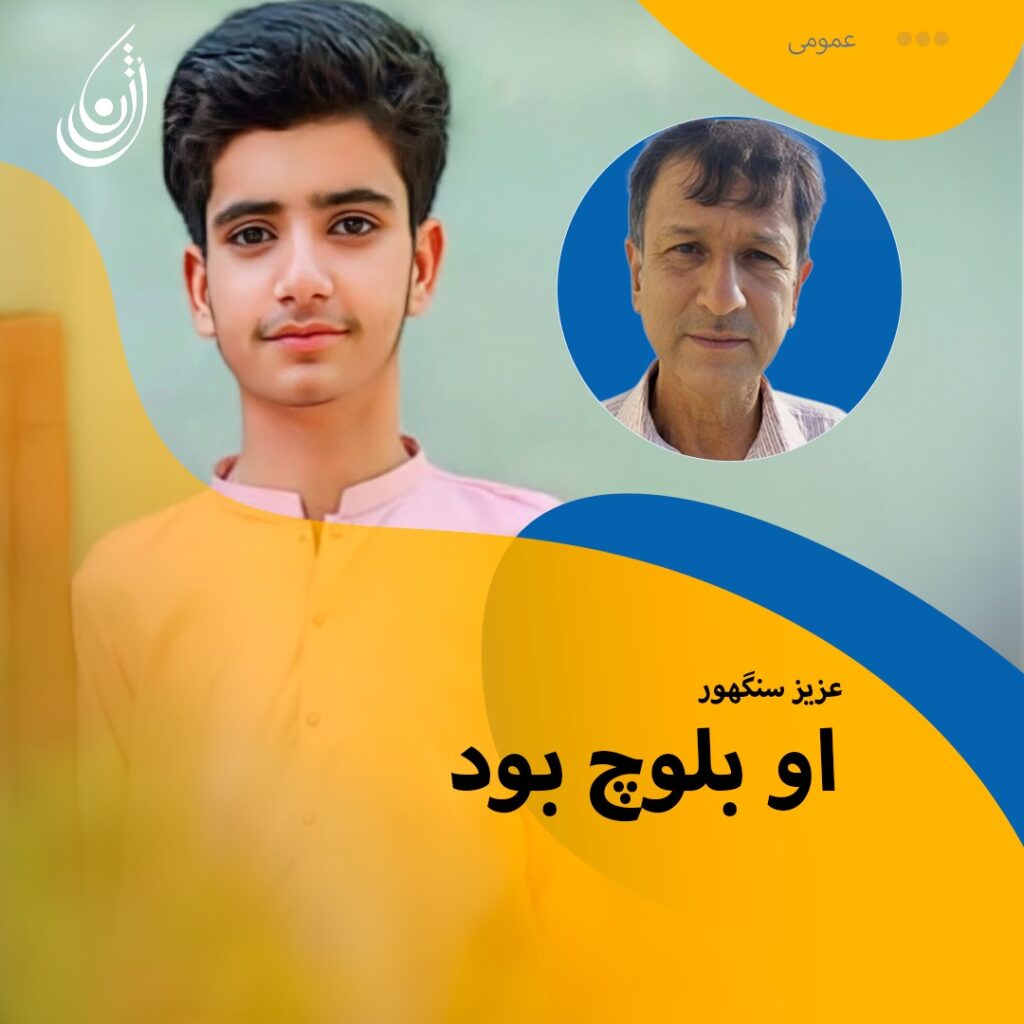
در شام ۲۲ اکتبر ۲۰۲۵، نیروهای «واحد تحقیق ویژه» (SIU) پولیس سند، نوجوانی چهاردهساله به نام عرفان بلوچ را همراه با سه تن دیگر از منطقهٔ عایشه منزل کراچی بازداشت کردند. پولیس مدعی بود که آنان را به ظنِ شرکت در یک حادثه گرفتهاند، اما چند روز بعد خودِ پولیس اعتراف کرد که عرفان و سه همراهش بیگناه بودند. سه تن پس از شکنجه آزاد شدند، اما عرفان بلوچ هرگز زنده بازنگشت.
در شام ۲۳ اکتبر، پولیس با لحنی سرد به خانوادهاش اطلاع داد: «پسرت بر اثر سکتهٔ قلبی درگذشت، بیایید جسدش را تحویل بگیرید.» جسد در سردخانهٔ بیمارستان جناح نگهداری میشد. عرفان بلوچ از دهکدهٔ کوچکی به نام بیت احمد، از توابع تحصیل اُچ شریف در ناحیهٔ بهاولپور بود. سیلاب اخیر خانهٔ گِلی، مزرعه و رؤیاهای او را با خود برده بود. فقر و بیکاری او را به کراچی کشاند، اما در این شهر به جای نان، مرگ نصیبش شد.
گزارش پولیس میگفت که عرفان در بازداشت دچار حملهٔ قلبی شد، اما شاهدان عینی و سه نوجوان آزادشده حکایت دیگری دارند: آنان هدف شکنجهٔ وحشیانه قرار گرفتند. آثار برق، زخمهای چوب و کبودی بر بدنشان گواهِ شکنجه بود. گناهِ اصلی عرفان فقط این بود که او «بلوچ» بود.
چه بلوچ از دیرهجات باشد، چه از سند یا بلوچستان، اکنون این هویت خود به جرم بدل گشته است.
دولت بلوچ را از هویت انسانی و ملیاش تهی کرده و از او تنها یک «شهروند مشکوک» ساخته است. دیگر حتی نوشتهٔ «پاکستانی» بر کارتِ شناساییاش کفایت نمیکند. وقتی پولیس چهرهٔ یک بلوچ جوان را میبیند، در نگاهش مجرمی از پیش تعیینشده پنهان است. همین نگاه است که کودکی چون عرفان بلوچ را از خانهٔ امید به سردخانهٔ مرگ میکشاند.
ماجرای عرفان نه نخستین است و نه آخرین. از کوههای بلوچستان تا سواحل سند، و از روستاهای دیرهجات تا کوچههای کراچی، بلوچ بودن دیگر نشانی از افتخار نیست، که داغِ اتهام است. گاه او را «تروریست» مینامند، گاه «خائن»، گاه «قاچاقچی» و گاه «عنصرِ غیرِ دولتی» — اما در پسِ همهٔ این برچسبها یک چهرهٔ یگانه پنهان است: چهرهٔ بلوچ.
عرفان بلوچ و صدها جوانِ دیگر تنها به سبب داشتنِ نامی که به «بلوچ» ختم میشود، گرفتارِ خشونت، شکنجه و مرگ میشوند.
داستانِ عرفان یادآورِ آن است که در پاکستان، بلوچ بودن دیگر یک قومیت نیست؛ اینک اتهامی است. اگر بلوچ در سرزمین خود سخن بگوید، «جداییطلب» نامیده میشود؛ اگر برای کار به شهر آید، «مشکوک» است؛ و اگر خاموش بماند، «بیمسئولیت».
برای بلوچ دیگر هیچ راهِ امنی برای زیستن نمانده است.
عرفان بلوچ مُرد، اما حکایتش زنده است. حکایتی که میگوید بلوچ کارگر باشد یا شاعر، دانشجو یا پزشک، همه زیر یک سایهٔ تردید زندگی میکنند.
دولت هرچند بیانیهها و روایتهای تازه بسازد، جسد عرفان بلوچ پرسشی زنده در برابر همهٔ آن دروغهاست:
از چه زمان، بلوچ بودن به جرم بدل شد؟
ENHe Was BalochRead in English
Aziz Sanghur
On the evening of October 22, 2025, officers of the Special Investigation Unit (SIU) of the Sindh Police arrested a 14-year-old boy named Irfan Baloch, along with three others, in the Ayesha Manzil area of Karachi. Police claimed they had detained them on suspicion of involvement in an incident, but a few days later the police themselves admitted that Irfan and his three companions were innocent. The three were released after being tortured, but Irfan Baloch never came back alive.
On the evening of October 23, police informed his family in a cold tone: “Your son died of a heart attack; come and collect his body.” The body was being kept in the morgue of Jinnah Hospital. Irfan Baloch came from a small village called Bait Ahmad, in Uch Sharif tehsil of Bahawalpur district. The recent floods had swept away his mud house, his farmland and his dreams. Poverty and unemployment drove him to Karachi, but in this city, instead of bread, he found death.
The police report said Irfan suffered a heart attack in custody, but eyewitnesses and the three released teenagers tell a different story: they were subjected to brutal torture. Marks of electric shocks, wounds from sticks and bruises on their bodies bore witness to the torture. Irfan’s only real “crime” was that he was “Baloch.”
Whether a Baloch is from Dera Jat, Sindh or Balochistan, this identity has now itself become a crime.
The state has stripped the Baloch of his human and national identity and reduced him to nothing but a “suspect citizen.” Even the word “Pakistani” on his identity card is no longer enough. When police see the face of a young Baloch, they see a predetermined criminal hiding behind it. It is this very gaze that drags a child like Irfan Baloch from a home of hope to a morgue of death.
Irfan’s story is neither the first nor the last. From the mountains of Balochistan to the coasts of Sindh, and from the villages of Dera Jat to the alleys of Karachi, being Baloch is no longer a mark of pride but a brand of accusation. Sometimes he is called a “terrorist,” sometimes a “traitor,” sometimes a “smuggler” and sometimes a “non-state element” — but behind all these labels hides a single face: the face of the Baloch.
Irfan Baloch and hundreds of other young people are caught up in violence, torture and death solely because they bear a name ending in “Baloch.”
Irfan’s story is a reminder that in Pakistan, being Baloch is no longer an ethnicity; it is now an accusation. If a Baloch speaks out in his own land, he is called a “separatist”; if he comes to the city for work, he is “suspicious”; and if he stays silent, he is “irresponsible.”
There is no safe way left for a Baloch to live.
Irfan Baloch died, but his story lives on. It is a story that says that whether a Baloch is a laborer or a poet, a student or a doctor, all live under one shadow of suspicion.
However many new statements and narratives the state may produce, the body of Irfan Baloch stands as a living question before all those lies:
Since when did being Baloch become a crime?