بلوچستان · ویدیو
انتقاد ناصر بلیدهای از حذف هویت تاریخی بلوچها توسط حکومت ایران
ENNaser Balidehi Criticizes Iranian Government for Erasing Baloch Historical IdentityRead in English
Berlin – May 8, 2025
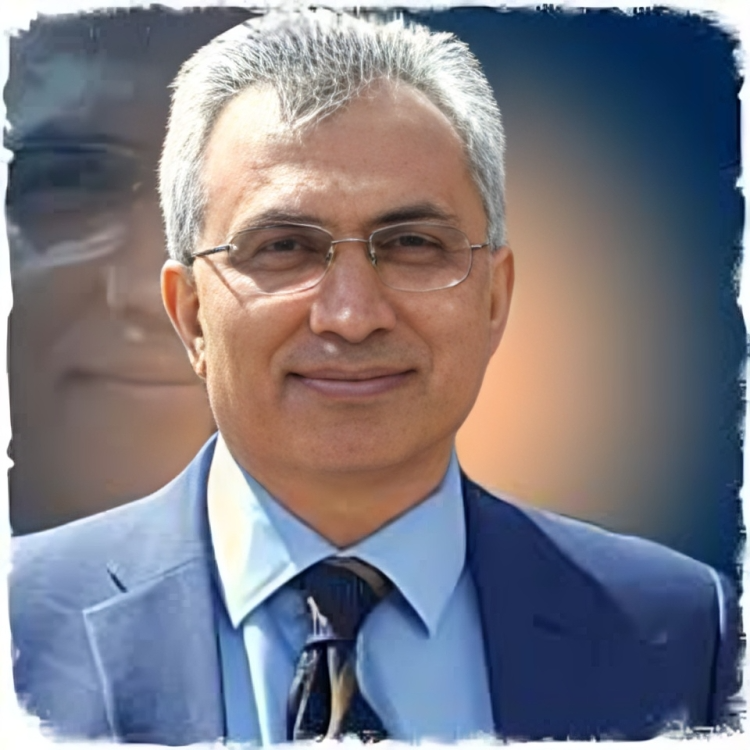
Naser Balidehi, secretary-general of the Balochistan People’s Party, in sharp remarks, criticized the official policies of the Islamic Republic for what he called “the gradual cleansing of the Baloch historical and cultural identity.” Reacting to Iranians’ recent sensitivity over the use of the term “Arabian Gulf,” he said that those same critics have themselves played a part in erasing the indigenous names of Balochistan.
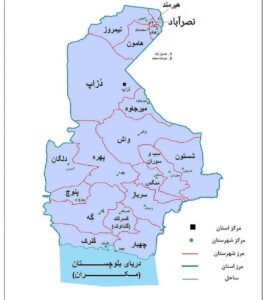
Balidehi specifically pointed to the change of the historical names “Baloch Sea” or “Makran Sea” to “the Sea of Oman,” and added: “These changes began in the Pahlavi era and have continued to this day; a deliberate move to erase Baloch identity from the map and from collective memory.”
He described this process as part of a project of “denying the Baloch nation” and warned that removing indigenous names is not merely a geographical change but an advanced form of cultural colonialism that has deeper consequences for the sense of belonging and the existence of the Baloch people.
These remarks come as a new wave of discontent is under way in Baloch-populated areas of Iran over systematic discrimination, cultural erasure and political repression.
A post shared by Rozhn TV (@rozhn_tv)