انتشار ویدئوی عذرخواهی سرباز خاطی پس از خشم گسترده مردم بلوچستان
تلویزیون رُژن | امروز پنجشنبه یک آبان ۱۴۰۴ خورشیدی / ۲۳ اکتبر ۲۰۲۵ میلادی
بلوچستان هنوز در شوک حادثهای است که وجدان عمومی را لرزاند و خشم اجتماعی را شعلهور کرد دو زن سالخورده بلوچ در مرز میلک شهرستان هیرمند، تنها بهدلیل حمل بطری کوچکی از سوخت برای تأمین نیاز روزانه خود، هدف خشونت و تحقیر نیروهای نظامی قرار گرفتند
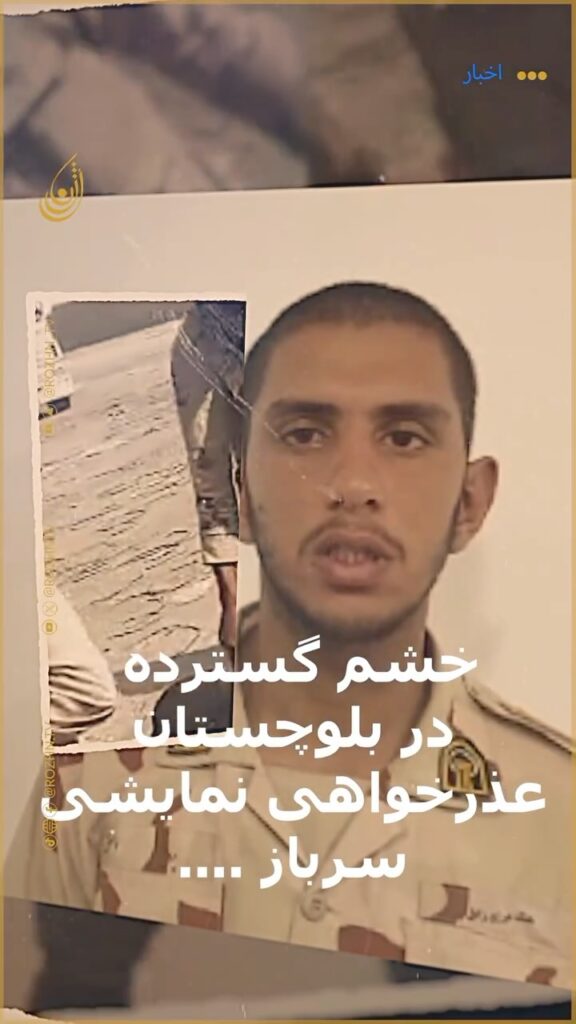
پس از انتشار ویدئو و واکنش شدید مردم، ویدئوی کوتاهی از عذرخواهی یکی از سربازان منتشر شد اقدامی که افکار عمومی آن را نه از سر پشیمانی بلکه تلاشی برای فروکش کردن خشم جامعه میدانند بسیاری از شهروندان بلوچ این عذرخواهی را نمایشی خوانده و تأکید کردهاند که چنین اقداماتی نمیتواند بار مسئولیت را از دوش فرماندهان بالادستی بردارد
در این ویدیو، سرباز خاطی با چهرهای مضطرب از مردم و دو زن سالخورده بلوچ طلب بخشش میکند اما مردم بلوچستان خواستار محاکمه علنی، شفافیت قضایی و پاسخگویی مستقیم فرماندهان نظامی هستند آنان میگویند عدالت با چند جمله پوزش محقق نمیشود بلکه با اجرای قانون و برخورد برابر با مجرمان قدرتمند معنا پیدا میکند
به گفته شاهدان محلی، نیروهای نظامی در مرز میلک بارها کولبران و سوختبران فقیر را هدف توهین و خشونت قرار دادهاند در حالیکه مسیرهای اصلی قاچاق و صادرات غیرقانونی سوخت در اختیار شبکههایی است که وابستگی مستقیم به نهادهای نظامی دارند این تضاد، به گفته تحلیلگران، نشانهای آشکار از تبعیض ساختاری و بیعدالتی سیستماتیک در برخورد با مردم فقیر بلوچ است
مردم بلوچستان در شبکههای اجتماعی با انتشار پیامها و ویدئوهای اعتراضی خواستار دلجویی رسمی از قربانیان، محاکمه عاملان و پاسخگویی فرماندهان نظامی شدهاند آنان هشدار دادهاند که تا زمانی که چنین رفتارهایی بدون مجازات باقی بماند، شکاف میان مردم و حاکمیت عمیقتر خواهد شد و اعتماد عمومی بیش از پیش فرو میریزد
بلوچستان عدالت میخواهد نه عذرخواهی نمایشی جامعهای که سالهاست زیر فشار فقر، تبعیض و بیپناهی زندگی میکند امروز فریاد میزند که کرامت انسانی نباید ابزار کنترل اجتماعی باشد
ENOffending Soldier’s Apology Video Released After Widespread Anger Among Balochistan’s PeopleRead in English
Rozhn TV | Thursday, October 23, 2025
Balochistan is still in shock over an incident that shook the public conscience and inflamed social anger. Two elderly Baloch women at the Milak border in Hirmand County were subjected to violence and humiliation by military forces solely for carrying a small bottle of fuel to meet their daily needs.
After the video was published and people reacted strongly, a short video of one of the soldiers apologizing was released. Public opinion sees this move not as remorse but as an attempt to quell society’s anger. Many Baloch citizens have called the apology a performance and stressed that such steps cannot lift the burden of responsibility from senior commanders.
In the video, the offending soldier, looking distressed, asks forgiveness from the people and the two elderly Baloch women. But the people of Balochistan are demanding a public trial, judicial transparency and the direct accountability of military commanders. They say justice is not achieved with a few sentences of apology but takes on meaning through enforcing the law and treating powerful offenders equally.
According to local witnesses, military forces at the Milak border have repeatedly subjected poor kolbars and fuel porters to insults and violence, while the main routes for smuggling and illegal export of fuel are controlled by networks directly tied to military institutions. According to analysts, this contrast is a clear sign of structural discrimination and systemic injustice in the treatment of poor Baloch people.
On social media, the people of Balochistan have published protest messages and videos demanding an official gesture of redress for the victims, the trial of those responsible and accountability from military commanders. They have warned that as long as such behavior goes unpunished, the gap between the people and the state will deepen and public trust will collapse further.
Balochistan wants justice, not a staged apology. A society that has lived for years under the pressure of poverty, discrimination and helplessness is crying out today that human dignity must not be a tool of social control.