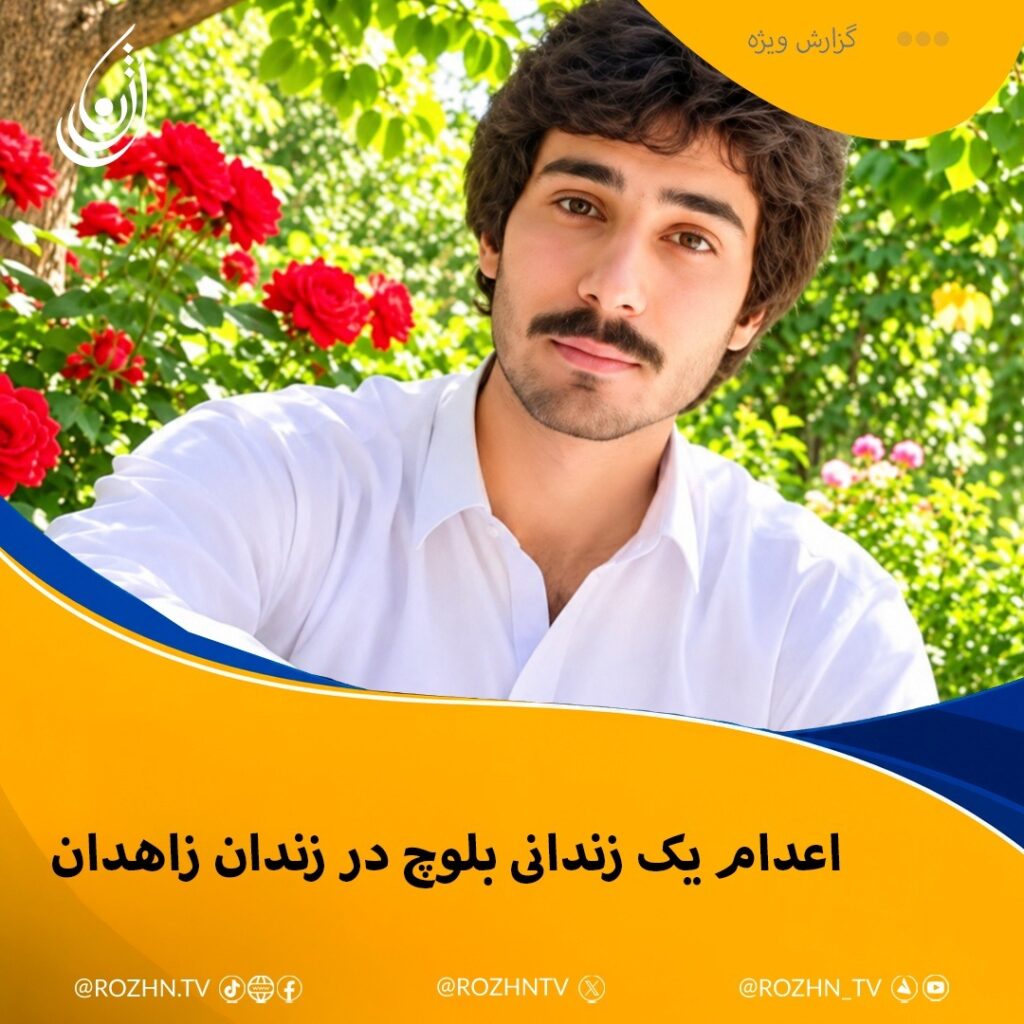
افزایش اعدامها در ایران دوباره خبرساز شد مولوی عبدالحمید خواستار بازنگری در مجازاتها شد
تلویزیون رُژن | پنجشنبه ۳ اردیبهشت ۱۴۰۵ / ۲۳ آوریل ۲۰۲۶
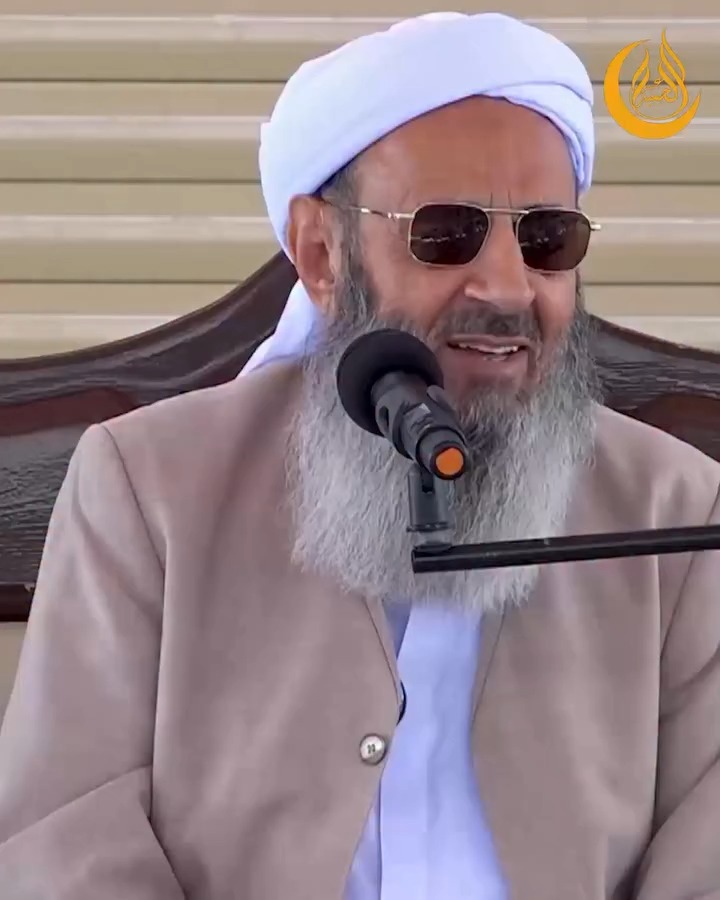
در سخنرانی نماز جمعه زاهدان مولوی عبدالحمید با اشاره به افزایش مجازاتهای سنگین اعلام کرد که اعدام و مصادره اموال مخالفان میتواند موجب نارضایتی عمومی و افزایش فاصله میان مردم و حاکمیت شود
در روزهای اخیر پس از رویدادهای مرتبط با درگیریهای مسلحانه موج تازهای از اعدامها در ایران توجه رسانهها را جلب کرده است گزارشها حاکی از آن است که شهروندانی از جمله بلوچها کردها و دیگر گروهها در میان اعدامشدگان قرار دارند موضوعی که بار دیگر ایران را در سطح بینالمللی در کانون توجه قرار داده است
مولوی عبدالحمید در ادامه سخنان خود بر ضرورت عدالت شفافیت و پرهیز از مجازاتهای شدید تأکید کرد و خواستار رویکردی شد که بتواند اعتماد عمومی را تقویت کند بسیاری از ناظران محلی او را به عنوان صدایی میشناسند که در سالهای اخیر مطالبات بخشی از جامعه را بازتاب داده است
این تحولات در حالی ادامه دارد که شرایط اجتماعی و اقتصادی در مناطق مختلف از جمله بلوچستان همچنان با چالشهای جدی همراه است و موضوع دسترسی برابر به فرصتها و منابع بار دیگر مطرح شده است
ENRise in Executions in Iran Makes Headlines Again; Molavi Abdolhamid Calls for Review of PunishmentsRead in English
Rozhn TV | Thursday, April 23, 2026
In his Friday prayer sermon in Zahedan, Molavi Abdolhamid, referring to the increase in harsh punishments, said that executions and the confiscation of opponents’ property could cause public discontent and widen the gap between the people and the state.
In recent days, a new wave of executions in Iran following events linked to armed clashes has drawn media attention. Reports indicate that citizens including Baloch, Kurds and other groups are among those executed, an issue that has once again put Iran in the international spotlight.
Continuing his remarks, Molavi Abdolhamid stressed the need for justice, transparency and avoiding severe punishments, and called for an approach that could strengthen public trust. Many local observers know him as a voice that has reflected the demands of part of society in recent years.
These developments are continuing as social and economic conditions in various regions, including Balochistan, remain marked by serious challenges, and the issue of equal access to opportunities and resources has been raised once again.