
بلوچستانگزارش بلند
افراطگرایی در برابر سیاست بلوچ
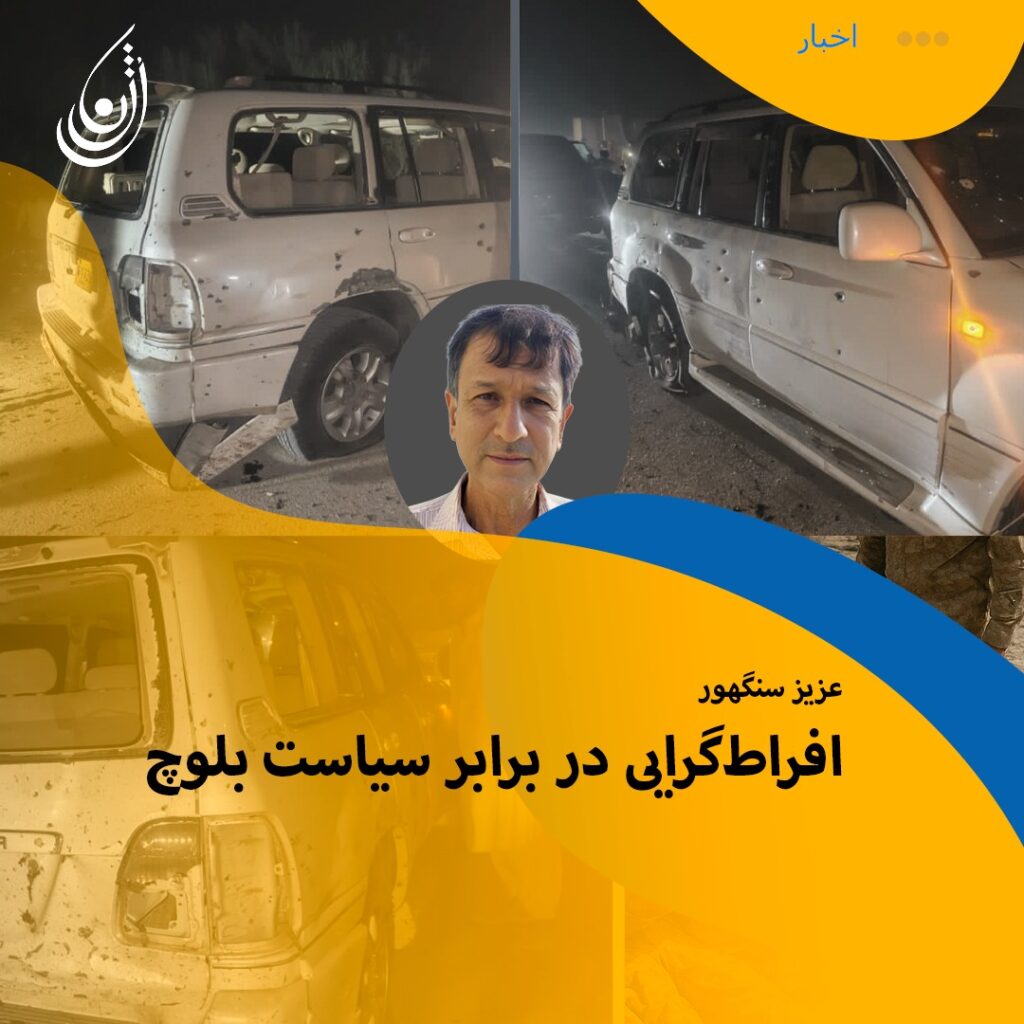
تلویزیون رُژن | دوشنبه ۱۷ شهریور ۱۴۰۴ خورشیدی / ۸ سپتامبر ۲۰۲۵ میلادی
نوشته: عزیز سنگھور
بلوچستان بار دیگر در خون غرق شد. شب دوم سپتامبر در منطقه سریاب کویته، در بیرون استادیوم شَهوانی، هنگامیکه پس از پایان گردهمایی حزب بلوچستان نیشنل پارٹی یک عامل انتحاری خود را منفجر کرد، قیامت برپا شد. این گردهمایی به مناسبت سالگرد بنیانگذار حزب، سردار عطاالله مینگل، برگزار شده بود و ویژگی آن این بود که نه تنها رهبران احزاب ملیگرای بلوچ در آن حضور داشتند بلکه رهبران دیگر احزاب نیز دعوت شده بودند.
این اجتماع بهعنوان گامی مثبت در سیاست بلوچستان دیده میشد. حضور محمود خان اچکزئی (رئیس پشتونخوا ملی عوامی پارٹی)، میر کبیر احمد محمد شئی (از نیشنل پارٹی)، اصغر اچکزئی (از عوامی نیشنل پارٹی) و داوود شاه کاکَر (رئیس استانی تحریک انصاف) نشاندهندهی تلاشی برای نزدیکی جریانهای سیاسی گوناگون بود. اما گویا همین همگرایی برای برخی نیروها قابلتحمل نبود.
در این فاجعه ۱۵ نفر جان باختند و بیش از ۳۰ نفر زخمی شدند. این اعداد صرفاً آمار خشک نیستند، بلکه هر کشته چراغی از خانهای خاموش کرد و هر زخم، زخمی بر پیکر جامعه زد. مجلس ملی در محکومیت این رویداد قطعنامهای تصویب کرد که توسط «فلین بلوچ» از حزب نیشنل پارٹی ارائه شد. در این قطعنامه خواسته شد عاملان به کیفر برسند. ایالات متحده نیز ضمن محکومیت حمله، دستگیری عاملان را خواستار شد.
اما پرسش این است: آیا قطعنامهها و بیانیههای محکومیت میتوانند مرهمی بر زخم مردم بلوچستان باشند؟ آیا در گذشته چنین بیانیههایی هیچ خانوادهای را به عدالت رساندهاند؟ تاریخ گواه است که پس از هر حمله، همان محکومیتهای تکراری شنیده میشود و سپس سکوت همهجا را فرا میگیرد.
این نخستین بار نبود که سردار اختر مینگل هدف حمله قرار گرفت. پیشتر در لک پاس نزدیک مستونگ نیز در جریان تحصن او حمله انتحاری صورت گرفته بود. اختر مینگل بارها شکایت کرده است که دولت و نهادهای امنیتی در جلوگیری از این حملات ناکاماند و حتی گاهی تحقیقات جدی نیز صورت نمیگیرد. این نگرانیها بیاساس نیست، زیرا در بلوچستان سیاستمداران و فعالان پیوسته هدف قرار میگیرند.
حزب بلوچستان نیشنل پارٹی یک حزب دموکراتیک است که برای تحقق آرمانهای سیاسی و حل مشکلات مردم مبارزه میکند. هدف قراردادن رهبران و اعضای آن نه تنها حملهای به آزادی سیاسی است بلکه توطئهای آشکار علیه دموکراسی در این منطقه است.
مسئولیت این انفجار را گروه افراطی داعش بر عهده گرفت. اما آیا تنها کار داعش بود یا بخشی از یک استراتژی گستردهتر؟ اگر به دو دهه گذشته در بلوچستان نگاه کنیم، آشکار است که گروههای مذهبی افراطی در اینجا پرورش داده شدند تا جنبشهای ترقیخواه و ملیگرا تضعیف شوند. این گروهها گاهی با نام طالبان، گاهی القاعده و امروز با نام داعش ظاهر میشوند.
این سیاست محدود به بلوچستان نبوده است؛ در بخشهای دیگر پاکستان نیز از افراطگرایی بهعنوان ابزار برای سرکوب نیروهای آگاه سیاسی استفاده شده است. اما در بلوچستان اثرات آن بسیار خطرناکتر بوده، زیرا پیشتر هم زخمهای محرومیت سیاسی، ناپدیدشدگیهای اجباری و عقبماندگی اقتصادی وجود داشته است.
انفجار کویته دومین حمله انتحاری بزرگ از نوع خود بود. پیشتر، در ۸ اوت ۲۰۱۶، حمله انتحاری علیه وکلا در کویته جان ۷۰ نفر را گرفت. جامعه وکلا ستون مهمی در مبارزات اجتماعی و حقوقی بلوچستان بود. حمله به آنان در حقیقت تلاشی برای خاموش کردن صدای عدالت و حقوق بشر بود.
اکنون حمله به استادیوم شهوانی ادامهی همان زنجیره است. این حملات نشان میدهد که هدف افراطگرایی تنها افراد نیستند بلکه کل جامعه است. گاه وکلا هدف میشوند، گاه سیاستمداران، گاه روزنامهنگاران و گاه شهروندان عادی. هدف اصلی ایجاد فضای ترس و سکوت در بلوچستان است.
کمیسیون حقوق بشر پاکستان این فاجعه را «یک تراژدی جدی انسانی» خواند. به گفتهی این کمیسیون، کشتهشدن شمار زیادی از فعالان سیاسی بازتاب شکست دولت و سیاستهای آن است. این فقط یک موضع رسمی نیست، بلکه بازتابی از واقعیت میدانی است. وقتی دولتی نتواند امنیت شهروندانش را تأمین کند و وقتی حتی در گردهمایی سیاسی جان فعالان در خطر باشد، این نشانهی نقص بنیادی در نظام است.
حادثهی استادیوم شهوانی نشان میدهد که تلاشی سازمانیافته برای ریشهکن کردن نیروهای سیاسی در بلوچستان در جریان است. از یکسو گردهماییها و رهبران سیاسی هدف قرار میگیرند، و از سوی دیگر افراطگرایی مذهبی تقویت میشود. هدف این دوگانه روشن است: خاموش کردن آگاهی مردم، بیاثر ساختن مبارزهی سیاسی و نگاه داشتن جامعه در سایهی وحشت.
اگر این روند متوقف نشود، فرایند دموکراتیک در بلوچستان بیش از پیش محدود خواهد شد و جای آن را عناصر افراطی خواهند گرفت. این نه تنها برای بلوچستان بلکه برای کل پاکستان زنگ خطری جدی است.
انفجار سریاب صرفاً یک واقعه نیست، بلکه فصل دیگری از تاریخ سیاه بلوچستان است. این نشانهی کشمکش دائمی میان سیاست دموکراتیک و افراطگرایی است. سرنوشت این کشمکش بستگی به این دارد که دولت و جامعه در کدام سوی بایستند. اگر به جای مهار افراطگرایی، آن را پرورش دهند، در آینده چنین فجایعی بیشتر خواهند شد. اما اگر به نیروهای سیاسی فضایی آزاد و امن داده شود، بلوچستان میتواند در مسیر صلح و توسعه گام بردارد.
مردم بلوچستان تنها به قطعنامههای محکومیت نیاز ندارند بلکه به اقدامات واقعی نیازمندند. برای پایاندادن به تروریسم، تحقیقات شفاف، عدالت منصفانه و حمایت قاطع از نیروهای دموکراتیک ضروری است. در غیر این صورت، هر سال یک استادیوم شهوانی تازه و یک تراژدی جدید به تاریخ افزوده خواهد شد.
ENExtremism Versus Baloch PoliticsRead in English
Rozhn TV | Monday, September 8, 2025
By Aziz Sanghur
Balochistan has once again been drowned in blood. On the night of September 2, in the Sariab area of Quetta, outside Shahwani Stadium, doomsday broke out when a suicide bomber detonated himself after the end of a rally of the Balochistan National Party. The rally had been held to mark the anniversary of the party’s founder, Sardar Ataullah Mengal, and it was notable that not only the leaders of Baloch nationalist parties were present but leaders of other parties had also been invited.
The gathering was seen as a positive step in Balochistan’s politics. The presence of Mahmood Khan Achakzai (head of the Pashtunkhwa Milli Awami Party), Mir Kabir Ahmed Muhammad Shahi (of the National Party), Asghar Achakzai (of the Awami National Party) and Dawood Shah Kakar (provincial president of Tehreek-e-Insaf) showed an effort to bring various political currents closer together. But it seems this very convergence was intolerable to some forces.
In this disaster 15 people were killed and more than 30 were wounded. These numbers are not merely dry statistics: every person killed put out the lamp of a house, and every injury was a wound on the body of society. The National Assembly passed a resolution condemning the incident, which was presented by “Flyn Baloch” of the National Party. The resolution demanded that the perpetrators be punished. The United States also condemned the attack and called for the arrest of those responsible.
But the question is this: can resolutions and statements of condemnation be a balm for the wounds of the people of Balochistan? In the past, have such statements brought justice to any family? History bears witness that after every attack the same repeated condemnations are heard, and then silence descends everywhere.
This was not the first time Sardar Akhtar Mengal was the target of an attack. Earlier, a suicide attack had also taken place at Lak Pass near Mastung during his sit-in. Akhtar Mengal has repeatedly complained that the government and security institutions have failed to prevent these attacks and that at times not even serious investigations are carried out. These concerns are not baseless, because in Balochistan politicians and activists are constantly targeted.
The Balochistan National Party is a democratic party that struggles to realize political ideals and solve the people’s problems. Targeting its leaders and members is not only an attack on political freedom but a blatant conspiracy against democracy in this region.
The extremist group Daesh (ISIS) claimed responsibility for the blast. But was it solely Daesh’s doing, or part of a broader strategy? If we look at the past two decades in Balochistan, it is clear that religious extremist groups were cultivated here in order to weaken progressive and nationalist movements. These groups appear sometimes under the name Taliban, sometimes al-Qaeda, and today under the name Daesh.
This policy has not been limited to Balochistan; in other parts of Pakistan, too, extremism has been used as a tool to suppress politically aware forces. But in Balochistan its effects have been far more dangerous, because wounds of political deprivation, enforced disappearances and economic backwardness already existed.
The Quetta blast was the second major suicide attack of its kind. Earlier, on August 8, 2016, a suicide attack on lawyers in Quetta killed 70 people. The legal community was an important pillar of Balochistan’s social and legal struggle. The attack on them was in fact an attempt to silence the voice of justice and human rights.
Now the attack on Shahwani Stadium is a continuation of the same chain. These attacks show that the target of extremism is not just individuals but the whole society. Sometimes lawyers are targeted, sometimes politicians, sometimes journalists and sometimes ordinary citizens. The main goal is to create an atmosphere of fear and silence in Balochistan.
The Human Rights Commission of Pakistan called this disaster “a serious human tragedy.” According to the commission, the killing of a large number of political activists reflects the failure of the state and its policies. This is not just an official position but a reflection of the reality on the ground. When a state cannot ensure the security of its citizens, and when even at a political gathering the lives of activists are at risk, this is a sign of a fundamental flaw in the system.
The Shahwani Stadium incident shows that an organized effort to uproot political forces in Balochistan is under way. On one side, gatherings and political leaders are targeted, and on the other, religious extremism is strengthened. The aim of this duality is clear: to silence people’s awareness, neutralize the political struggle and keep society in the shadow of terror.
If this process is not stopped, the democratic process in Balochistan will be restricted more and more, and extremist elements will take its place. This is a serious alarm bell not only for Balochistan but for all of Pakistan.
The Sariab blast is not merely an incident but another chapter in Balochistan’s dark history. It is a sign of the permanent struggle between democratic politics and extremism. The outcome of this struggle depends on which side the state and society stand. If, instead of curbing extremism, they nurture it, such disasters will multiply in the future. But if political forces are given a free and safe space, Balochistan can move down the path of peace and development.
The people of Balochistan do not need only resolutions of condemnation but real action. To end terrorism, transparent investigations, fair justice and firm support for democratic forces are essential. Otherwise, every year a new Shahwani Stadium and a new tragedy will be added to history.



