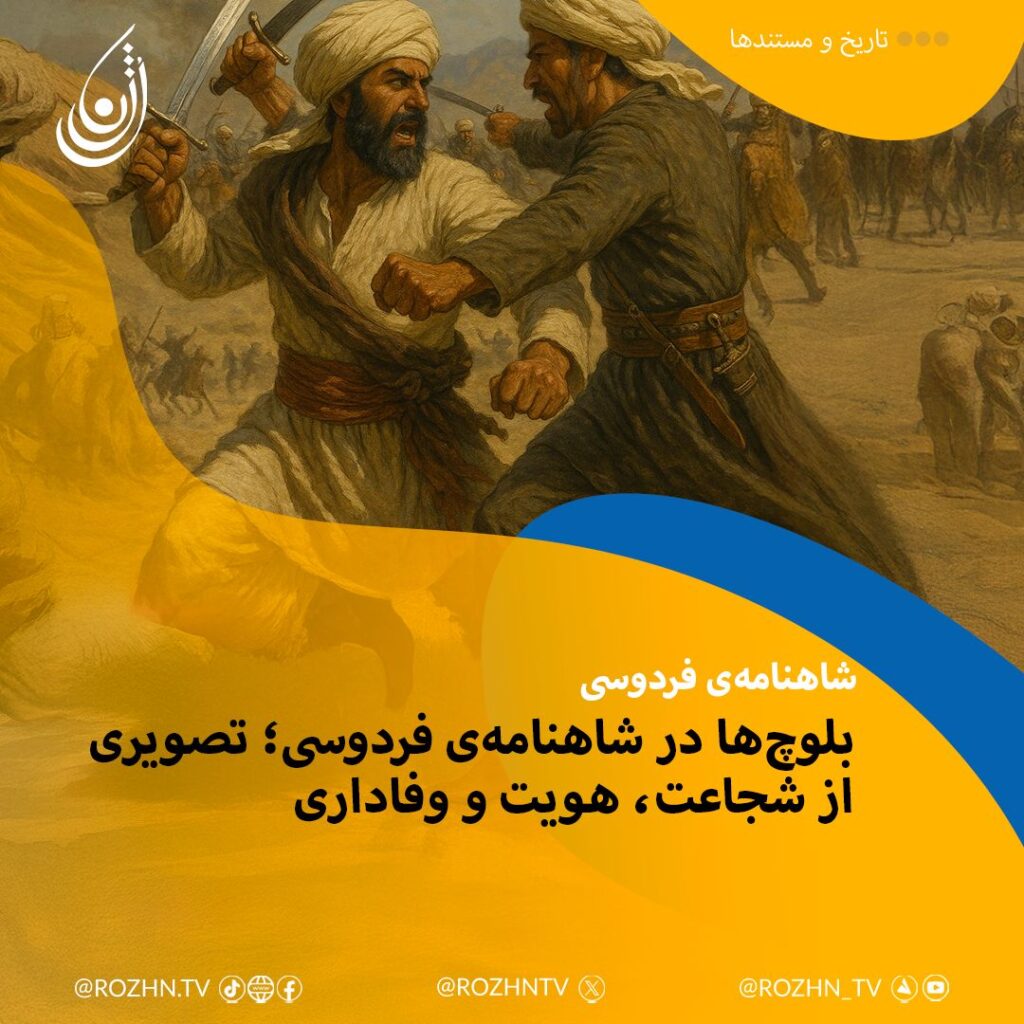
از نبرد تا بازتاب: تحلیل جنگ رِند و لاشاری در بستر تاریخ شفاهی و سیاست امروز بلوچستان
ENFrom Battle to Reflection: An Analysis of the Rind–Lashari War in the Context of Oral History and Balochistan’s Politics TodayRead in English
Zahedan, Friday, May 2, 2025
The historic war between two great Baloch tribes – the Rind and the Lashari – is not merely a tragic event of the past; it is a reflection of the flawed structures and active fault lines of Balochistan today. These intra-tribal conflicts have not only fueled social and cultural divisions among the Baloch but have also been used by the governments of Iran and Pakistan as a tool for political and security exploitation.
1. A War That Broke the Baloch and Strengthened the States
During the era of internal wars between the Rind and the Lashari, when internal rifts and ethnic rivalries were at the center of attention, the central governments of Iran and Britain (which ruled India and then Pakistan) exploited these conflicts to strengthen their own power. These conflicts, which at first appeared only to aggravate the Baloch’s internal problems, ended up indirectly benefiting the governments.
This pattern, which has continued to this day, shows a trend in which the governments of Iran and Pakistan have used social and tribal divisions to weaken Baloch identity and political cohesion. In Iran, Sunni Baloch face political and cultural deprivation, and in Pakistan too the Baloch face repression, enforced disappearance and structural discrimination.
2. Divisive Policies and Their Effect on Baloch Identity
One of the long-term consequences of the Rind–Lashari war is the divisive policies applied against the Baloch on both sides of the Iran–Pakistan border. In Iran’s Sistan and Baluchestan, government policies are designed to limit the Baloch’s political and cultural participation. On the other hand, in Pakistan’s Balochistan, discriminatory and repressive policies, particularly in the area of human rights, have put pressure on the living conditions of the Baloch.
3. The Rind–Lashari War in the Modern World
What began in the past as an internal war between two Baloch tribes has now reproduced itself in more complex forms. At present, in addition to social and cultural divisions, political, security and human rights crises have also become worrying in the region under the control of Iran and Pakistan. The situation of the Baloch today in these two countries reflects the fact that the consequences of these past conflicts still affect people’s daily lives.