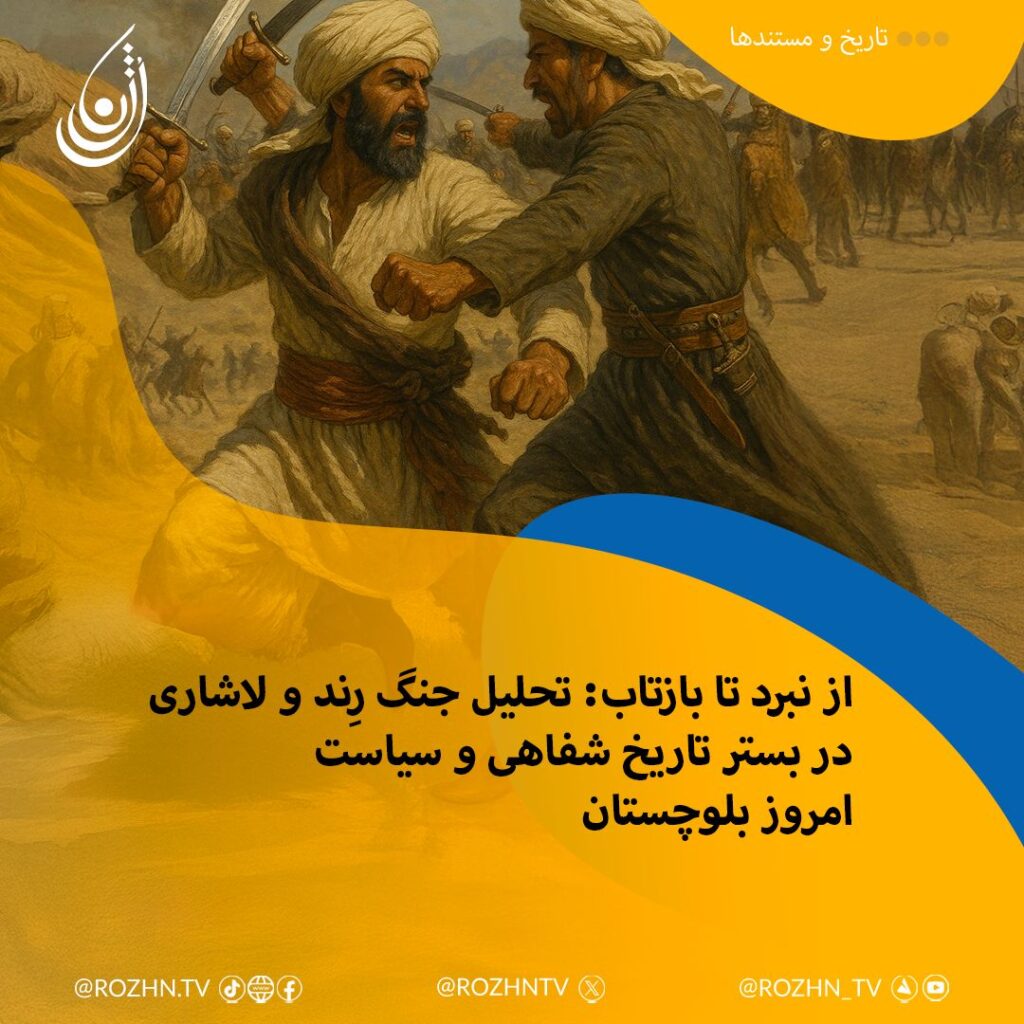
از نبرد تا بازتاب: تحلیل جنگ رِند و لاشاری در بستر تاریخ شفاهی و سیاست امروز بلوچستان
ENFrom Battle to Reflection: An Analysis of the Rind–Lashari War in the Context of Oral History and Balochistan’s Politics TodayRead in English
Zahedan – Saturday, May 3, 2025
The historic war between two great Baloch tribes, the Rind and the Lashari, is not merely a bitter event of past centuries; it is a reflection of identity-based and political fault lines that have been reproduced in new forms in Balochistan’s present structure. This article examines the political, legal, media and identity layers of this battle and analyzes it within the framework of the present-day realities of the Baloch on both sides of the Iran–Pakistan border.
1. A War That Broke the Baloch and Strengthened the States
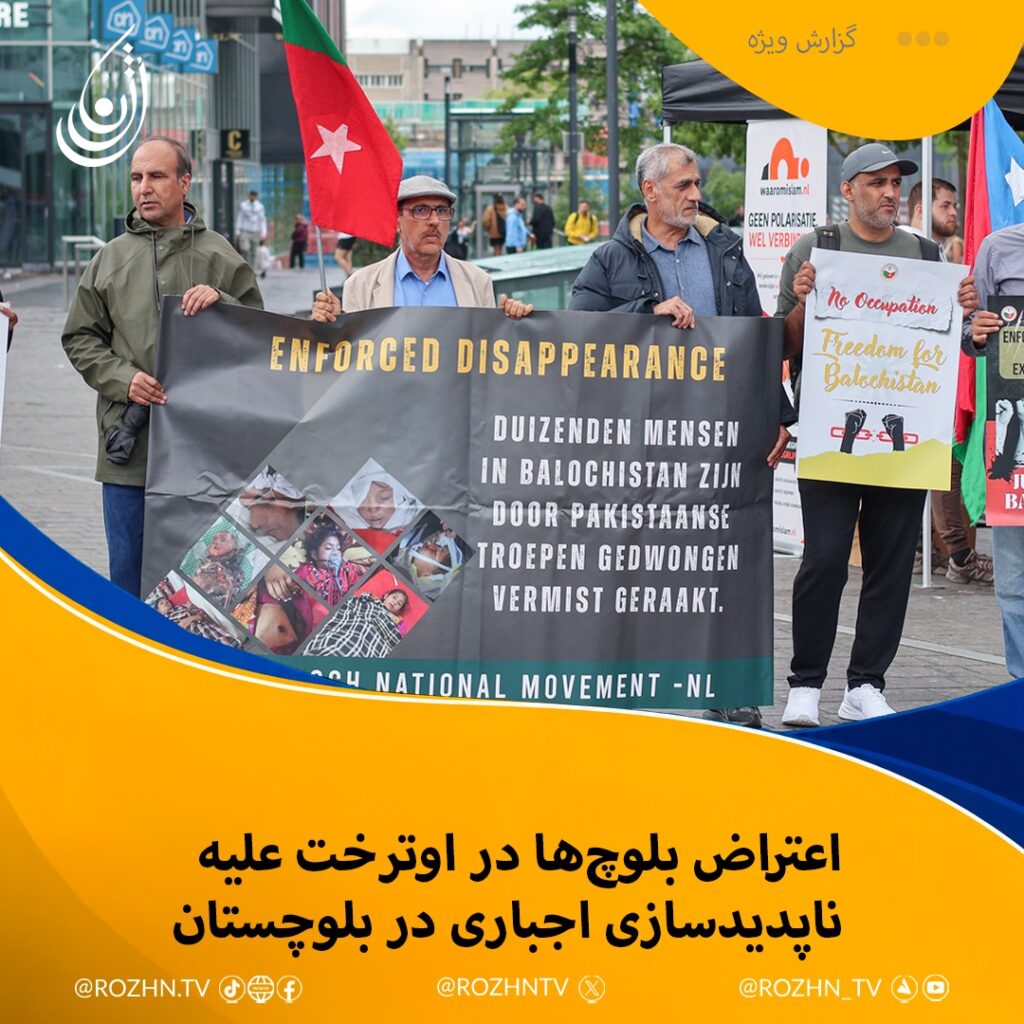
While Mir Chakar and Gahram Khan were engaged in an internal dispute, central governments and outside forces exploited this rift, a pattern that continues to this day. The governments of Iran and Pakistan, by exploiting ethnic and religious divisions, have weakened the Baloch identity structure. In Iran, Sunni Baloch face political and cultural deprivation, and in Pakistan, enforced disappearance and structural discrimination have intensified.
From a legal perspective, the national and religious separation of the Baloch between two countries constitutes a clear violation of international human rights covenants.
In the media sphere, the official portrayal of the Baloch in both countries is accompanied more by a security discourse than by a humane and analytical outlook; they are often reduced to violence and separatism.
2. A Bitter Legacy for Heartfelt Unity
Instead of resolving disputes, the Rind–Lashari war institutionalized tribal mistrust. Even now, among the Baloch of Pakistan, the divide between nationalists, Islamists and armed groups is deep. In Iran, the lack of equal participation has created a sense of exclusion among many Baloch.
Yet blood, linguistic and cultural ties connect many Baloch families on both sides of the border; but political and ideological conflicts have separated them from one another.
3. An Opportunity to Redefine Baloch Law
The history of the Rind–Lashari war can, beyond being a historical wound, serve as a resource for rebuilding ethnic justice and rethinking the ways disputes are resolved within Baloch society. The oral history of this war makes it possible to revisit the concept of “Baloch law,” a law that would be based on mutual respect, collective consultation and the prevention of internal fragmentation.