از تصویر تا ویدیو
تلویزیون رُژن | سهشنبه ۸ مهر ۱۴۰۴ خورشیدی / ۳۰ سپتامبر ۲۰۲۵ میلادی
در دهههای ۱۹۶۰ و ۱۹۷۰ میلادی، سه شخصیت برجسته بلوچ ــ میر گل خان نصیر، احمد نواز بگٹی و خیر بخش مری ــ در عرصه سیاسی و اجتماعی بلوچستان نقشی تعیینکننده ایفا کردند. میر گل خان نصیر با قلم و اندیشه خود، روحیه ملیگرایی بلوچ را در قالب شعر و ادبیات تقویت کرد و به صدای بیداری فرهنگی و هویتی بلوچها تبدیل شد. احمد نواز بگٹی با پیوندهای قبیلهای و جایگاه خانوادگیاش، پلی میان جریانهای معتدل و تندتر بلوچ ایجاد کرد و نقش میانجی و سیاسی در تحولات آن دوران داشت. خیر بخش مری، بهعنوان رهبر رادیکال و نماد مقاومت مسلحانه، خط مقدم مبارزه با سیاستهای مرکزگرایانه پاکستان را نمایندگی میکرد.
همسویی این سه رهبر در چارچوب حزب National Awami Party (NAP) و دیگر جریانهای سیاسی، جنبش بلوچ را در سطحی بیسابقه تقویت کرد و صدای بلوچستان را به عرصه ملی و بینالمللی رساند. میر گل خان نصیر با فرهنگ، احمد نواز بگٹی با سیاست و خیر بخش مری با مقاومت، سه ضلع مثلثی بودند که در کنار هم تصویری از خواست مردم بلوچ برای عدالت، خودمختاری و حفظ هویت تاریخیشان ترسیم کردند.
میر گل خان نصیر (۱۹۱۴–۱۹۸۳)
* از چهرههای برجسته شاعر، روشنفکر و سیاستمدار بلوچ بود
* عضو حزب Kalāt State National Party و بعدها حزب National Awami Party (NAP) شد
* با اشعار ملیگرایانه و انتقاد از تمرکز قدرت در پاکستان شناخته میشود
* بارها به دلیل فعالیتهای سیاسی و دفاع از خودمختاری بلوچستان زندانی شد
* بهعنوان نماد فرهنگی و صدای بیداری بلوچها شناخته میشود
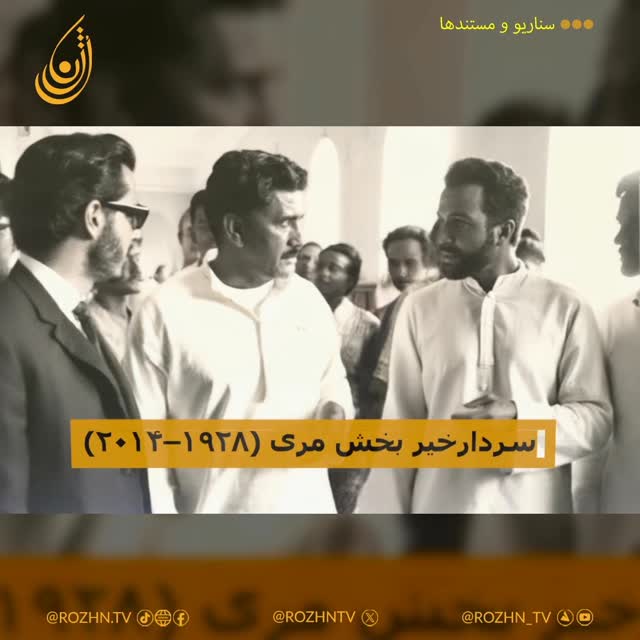
خیر بخش مری (۱۹۲۸–۲۰۱۴)
* از رادیکالترین و تأثیرگذارترین رهبران ملیگرای بلوچ بود
* بهعنوان سردار طایفه مری، نقشی کلیدی در قیامها و مقاومتهای بلوچ علیه دولت پاکستان ایفا کرد
* در شورشهای دهه ۱۹۷۰ بلوچستان نقشی برجسته داشت و سالها در زندان و تبعید گذراند
* تا پایان عمر نمادی از مقاومت و خواست استقلالطلبانه بلوچها باقی ماند
* بسیاری او را «پدر ملیگرایی بلوچ» میدانند
احمد نواز بگٹی
* از خانواده بانفوذ طایفه بگٹی در بلوچستان بود
* فعالیت سیاسی داشت و در مسائل منطقهای نقش ایفا میکرد
* گرچه در مقایسه با برخی رهبران بلوچ مواضع معتدلتری داشت، اما بخشی از جریان ملیگرایی بلوچ محسوب میشد
* خانواده او، بهویژه نواب اکبر بگٹی، نفوذ گستردهای در سیاست بلوچستان داشتند
ENFrom Image to VideoRead in English
Rozhn TV | Tuesday, September 30, 2025
In the 1960s and 1970s, three prominent Baloch figures — Mir Gul Khan Nasir, Ahmad Nawaz Bugti and Khair Bakhsh Marri — played a decisive role in the political and social arena of Balochistan. Through his pen and ideas, Mir Gul Khan Nasir strengthened the spirit of Baloch nationalism in the form of poetry and literature, and became the voice of the Baloch cultural and identity awakening. Ahmad Nawaz Bugti, with his tribal ties and family standing, built a bridge between the moderate and more hardline Baloch currents and played a mediating and political role in the developments of that era. Khair Bakhsh Marri, as a radical leader and a symbol of armed resistance, represented the front line of the struggle against Pakistan’s centralizing policies.
The alignment of these three leaders within the framework of the National Awami Party (NAP) and other political currents strengthened the Baloch movement to an unprecedented level and carried the voice of Balochistan to the national and international stage. Mir Gul Khan Nasir with culture, Ahmad Nawaz Bugti with politics and Khair Bakhsh Marri with resistance were the three sides of a triangle that together drew a picture of the Baloch people’s demand for justice, autonomy and the preservation of their historical identity.
Mir Gul Khan Nasir (1914–1983)
* He was a prominent Baloch poet, intellectual and politician
* He was a member of the Kalat State National Party and later of the National Awami Party (NAP)
* He is known for his nationalist poetry and his criticism of the concentration of power in Pakistan
* He was imprisoned repeatedly for his political activities and his defense of Balochistan’s autonomy
* He is regarded as a cultural symbol and the voice of the Baloch awakening
Khair Bakhsh Marri (1928–2014)
* He was one of the most radical and influential Baloch nationalist leaders
* As chief of the Marri tribe, he played a key role in Baloch uprisings and resistance against the Pakistani state
* He played a prominent role in the Balochistan insurgency of the 1970s and spent years in prison and exile
* Until the end of his life he remained a symbol of resistance and of the Baloch demand for independence
* Many regard him as the “father of Baloch nationalism”
Ahmad Nawaz Bugti
* He came from the influential family of the Bugti tribe in Balochistan
* He was politically active and played a role in regional affairs
* Although he held more moderate positions than some Baloch leaders, he was considered part of the Baloch nationalist current
* His family, particularly Nawab Akbar Bugti, wielded wide influence in Balochistan’s politics