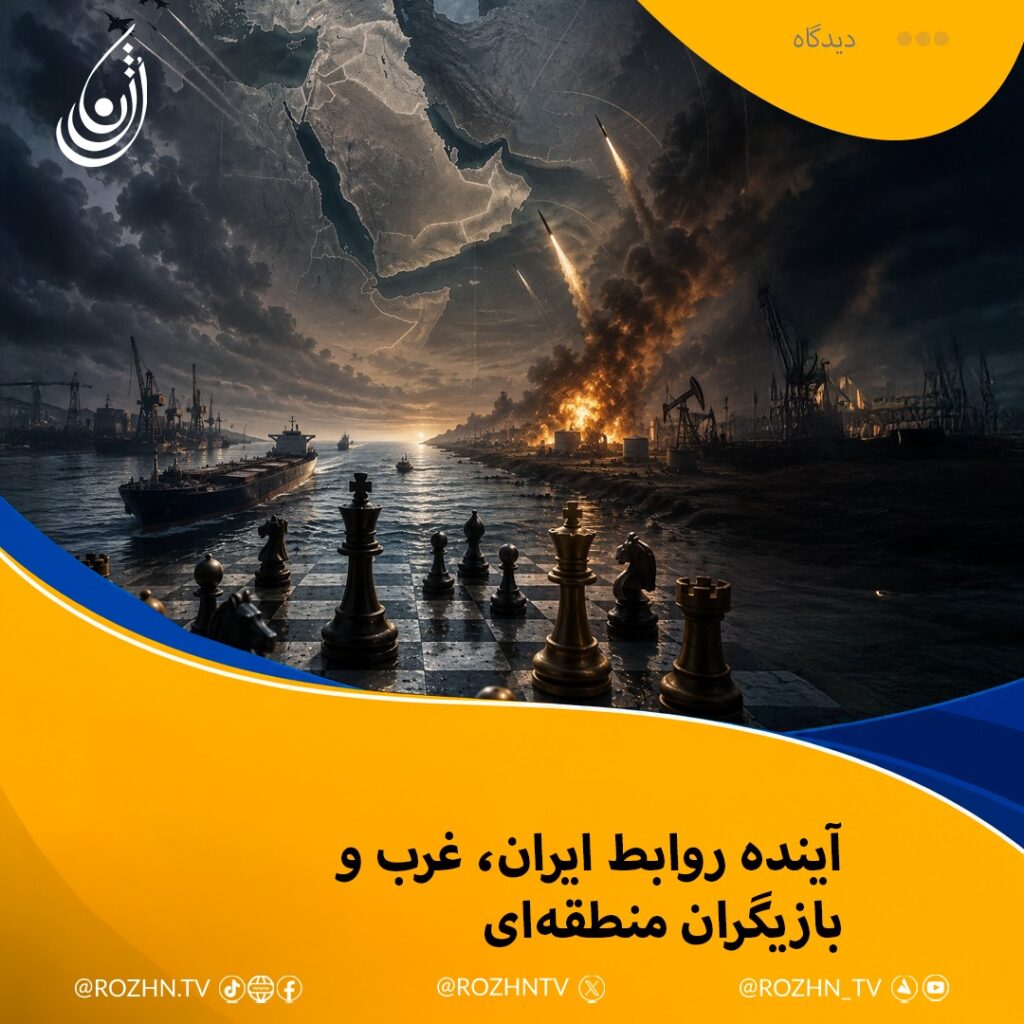
آینده روابط ایران، غرب و بازیگران منطقهای
تلویزیون رُژن | سهشنبه ۱۹ خرداد ۱۴۰۵ | ۹ ژوئن ۲۰۲۶
دیدگاه
تحولات اخیر نشان میدهد که بحران جاری تنها به تبادل حملات میان ایران و اسرائیل محدود نمیشود، بلکه به رقابتی گستردهتر بر سر نفوذ، بازدارندگی و موازنه قدرت در خاورمیانه مرتبط است
در برخی تحلیلهای منتشرشده مطرح شده است که جایگاه برخی بازیگران و متحدان منطقهای ایران طی سالهای گذشته بخشی از ساختار بازدارندگی و نفوذ منطقهای تهران را تشکیل داده و به همین دلیل تحولات مربوط به این بازیگران با دقت از سوی طرفهای مختلف دنبال میشود
در مقابل، اسرائیل و برخی از متحدان غربی آن بارها اعلام کردهاند که محدود کردن توان عملیاتی گروههای مسلح منطقهای را بخشی از راهبرد امنیتی خود میدانند و این موضوع همچنان یکی از محورهای اصلی تنشهای جاری محسوب میشود
در کنار ابعاد نظامی، اهمیت گذرگاههای راهبردی انرژی از جمله تنگه هرمز و بابالمندب نیز بار دیگر مورد توجه قرار گرفته است، زیرا هرگونه اختلال در این مسیرها میتواند بر بازارهای جهانی انرژی و تجارت بینالمللی تأثیر بگذارد
یکی از پرسشهای اصلی این است که آیا تحولات کنونی صرفاً به درگیریهای مقطعی محدود خواهد ماند یا اینکه به بازتعریف موازنه قدرت در خاورمیانه منجر خواهد شد
در برخی تحلیلهای منتشرشده این دیدگاه مطرح شده است که نتیجه این روند بتواند بر جایگاه بازیگران منطقهای، مسیرهای انرژی، روابط ایران با غرب و معادلات امنیتی خاورمیانه در سالهای آینده تأثیرگذار باشد
در برخی تحلیلهای منتشرشده، سه سناریوی کلی برای آینده روابط ایران، غرب و بازیگران منطقهای مطرح میشود؛ کاهش تدریجی تنشها از مسیر دیپلماسی، ادامه وضعیت رقابتی و بازدارندگی متقابل، یا گسترش رویاروییها به عرصههای جدید سیاسی، اقتصادی و امنیتی. اینکه کدام مسیر تحقق خواهد یافت، تا حد زیادی به تصمیمهای بازیگران اصلی و تحولات ماههای آینده بستگی دارد
در نهایت، آینده روابط ایران، غرب و بازیگران منطقهای تنها به تحولات نظامی وابسته نخواهد بود، بلکه به میزان موفقیت یا ناکامی تلاشهای دیپلماتیک، تحولات اقتصادی و تصمیمهای سیاسی طرفهای درگیر نیز بستگی خواهد داشت
آنچه تاکنون روشن است این است که رقابتهای ژئوپلیتیکی و امنیتی همچنان از عوامل مهم تأثیرگذار بر روند تحولات منطقه به شمار میروند
در عین حال، اطلاعات و ارزیابیهای مطرحشده در این دیدگاه بر اساس دادهها، گزارشها و اظهارات در دسترس در زمان انتشار تنظیم شده و
ENThe Future of Relations Between Iran, the West and Regional ActorsRead in English
Rozhn TV | Tuesday, June 9, 2026
Opinion
Recent developments show that the current crisis is not limited to an exchange of attacks between Iran and Israel, but is tied to a broader contest over influence, deterrence and the balance of power in the Middle East.
Some published analyses argue that the standing of certain regional actors and allies of Iran has, over the past years, formed part of Tehran’s deterrence and regional influence structure, and that is why developments involving these actors are being closely followed by the various sides.
In contrast, Israel and some of its Western allies have repeatedly said they regard limiting the operational capacity of regional armed groups as part of their security strategy, and this remains one of the main drivers of the current tensions.
Alongside the military dimensions, the importance of strategic energy passages, including the Strait of Hormuz and Bab al-Mandab, has once again come into focus, because any disruption on these routes could affect global energy markets and international trade.
One of the main questions is whether the current developments will remain limited to isolated clashes or lead to a redefinition of the balance of power in the Middle East.
Some published analyses suggest that the outcome of this process could affect the standing of regional actors, energy routes, Iran’s relations with the West and the Middle East’s security equations in the coming years.
Some published analyses outline three general scenarios for the future of relations between Iran, the West and regional actors: a gradual easing of tensions through diplomacy, a continuation of the current competitive situation and mutual deterrence, or an expansion of confrontation into new political, economic and security arenas. Which path materializes will depend largely on the decisions of the main actors and on developments in the coming months.
Ultimately, the future of relations between Iran, the West and regional actors will depend not only on military developments, but also on the success or failure of diplomatic efforts, on economic developments and on the political decisions of the parties involved.
What is clear so far is that geopolitical and security rivalries remain important factors shaping the course of developments in the region.
At the same time, the information and assessments presented in this commentary have been compiled on the basis of the data, reports and statements available at the time of publication, and