آتشبس در ایران؛ ترکیبی از ترس، تردید و امید
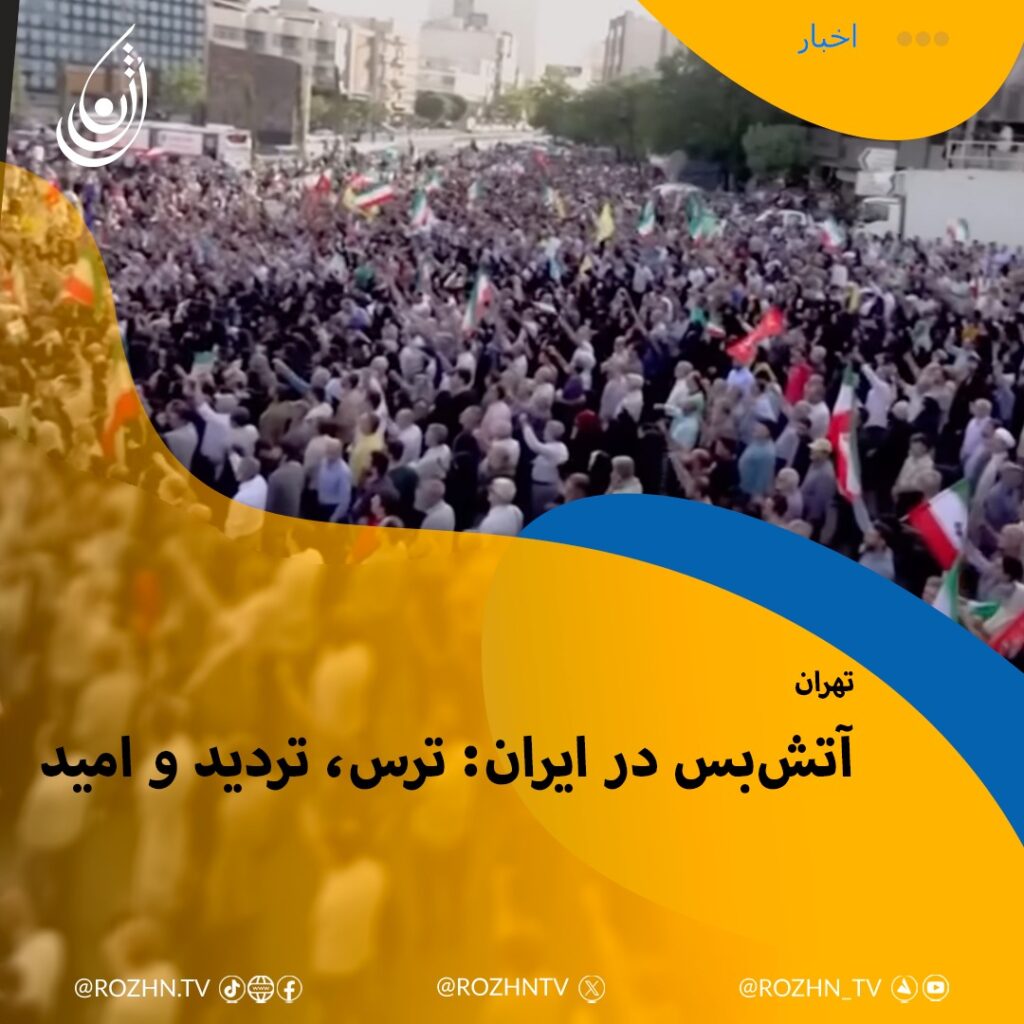
ENCeasefire in Iran: A Mix of Fear, Doubt and HopeRead in English
Wednesday, June 25, 2025
Following the ceasefire agreement between Iran and Israel, reached through the mediation of Donald Trump, the former US president, reports from inside Iran describe days and nights of great tension.
Residents of areas around the capital say the intensity of the air strikes in recent days was such that windows shook, and many people spent their nights in the street or in safer places.
In Tehran, there are concerns beyond physical security. Some citizens and civil activists have warned that the state may use the post-war atmosphere to restore social restrictions. This concern has grown as the month of Muharram approaches and religious gatherings increase.
Nevertheless, a number of young people and political observers have expressed hope that the current situation will provide an opportunity for new conversations to form in Iran’s public sphere, conversations that may go beyond the traditional polarization between “supporters of the system” and “radical critics.”
The current ceasefire, although it appears fragile, is for many a symbol of the possibility of halting the cycle of violence and beginning a review of prevailing political and social narratives.