ایران · ویدیو
آتشبس خارجی، سرکوب داخلی؛ آیا جمهوری اسلامی فشارها را به داخل منتقل میکند؟
ENCeasefire Abroad, Crackdown at Home: Is the Islamic Republic Shifting Pressure Inward?Read in English
Wednesday, June 25, 2025
While military tensions between Iran and Israel have eased with the announcement of a ceasefire, worrying signs of an intensified domestic crackdown are visible in Iran.
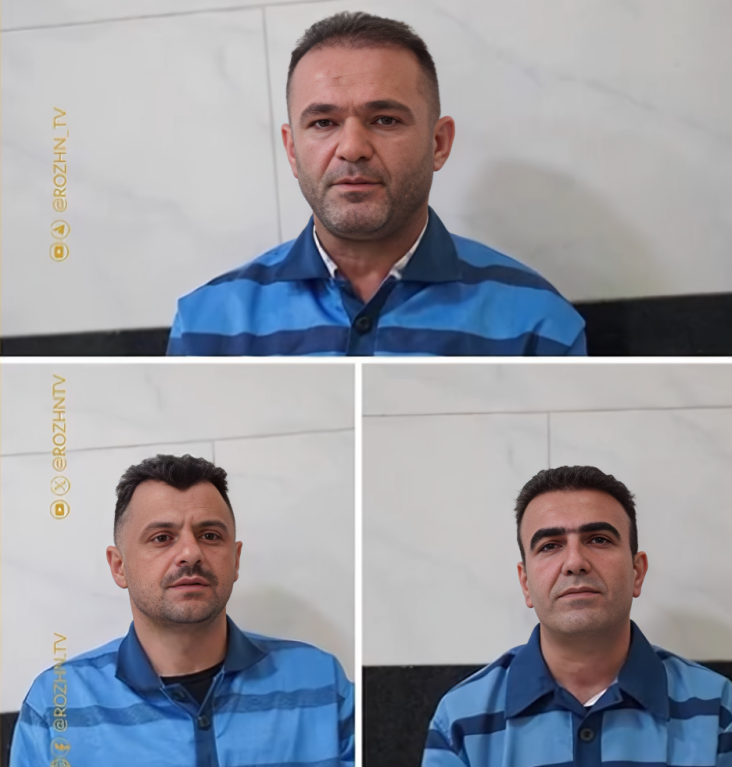
According to human rights sources, in recent days at least three Kurdish prisoners in Urmia have been executed on charges of “intelligence cooperation with Israel.” Security officials have also announced the arrest of more than 700 people on charges of “espionage” or “contact with the enemy,” a figure unprecedented in such a short period.
Analysts believe that although the Islamic Republic is in a vulnerable security position after Israel’s extensive attacks and is no longer seen as a global threat, this very vulnerability could become a pretext for internal repression.
According to some experts, the state may use the ceasefire and public opinion’s focus on the external crisis to consolidate its social and political control at home through widespread repression, an approach that has been repeated many times in the Islamic Republic after wars and crises.
Given the Islamic Republic’s record in dealing with opponents and minorities in emergency periods, human rights activists have warned that this trend could continue and spread to other provinces.
A post shared by Rozhn TV (@rozhn_tv)