UAE Exit From OPEC and Its Implications for the Persian Gulf
· World
In a major development in the energy market and regional political equations, the United Arab Emirates has announced that it is leaving OPEC, a decision that could change the balance of power in the Persian …
Show photo (≈ 65 KB)
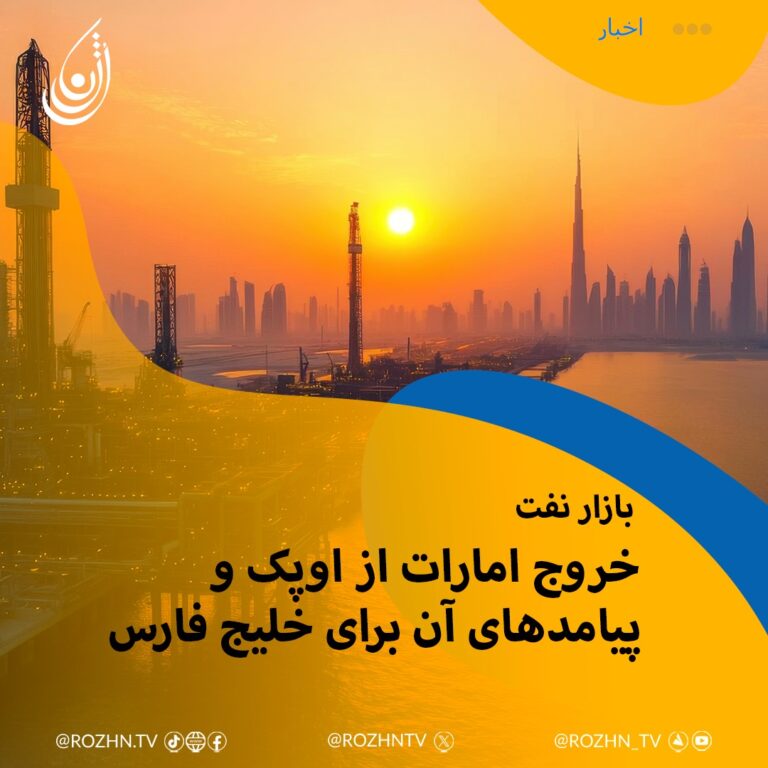
Rozhn TV | Tuesday, April 28, 2026
In a major development in the energy market and regional political equations, the United Arab Emirates has announced that it is leaving OPEC, a decision that could change the balance of power in the Persian Gulf and bring into the open the hidden differences between Abu Dhabi and Saudi Arabia.
The move allows the UAE to increase its oil production without quota restrictions and respond more flexibly to market fluctuations, while at the same time reducing OPEC’s ability to manage global oil prices.
The decision was taken at a time when regional tensions have risen, particularly following the conflict with Iran, and political coordination among the Gulf Cooperation Council states has faced challenges.
Reports indicate that the UAE is seeking to strengthen its independent role in the global energy market and also to expand strategic relations with the United States, an issue that could affect the political and economic balance of the region.
Increasing the UAE’s oil production capacity in the coming years and seeking a more direct role in determining global supply are among the country’s declared goals, while reduced output following regional disruptions has put further pressure on the market.
This development could signal a change of direction in economic and security policies in the Persian Gulf, and its consequences could extend beyond the energy market to the region’s geopolitical relations.
Translated from the Persian original
Follow Rozhn TV for reports, interviews and programmes on Balochistan
Telegram: https://t.me/rozhn_tv
YouTube: https://youtube.com/@rozhn_tv
Instagram: https://www.instagram.com/rozhn_tv