بلوچستان · ویدیوگزارش بلند
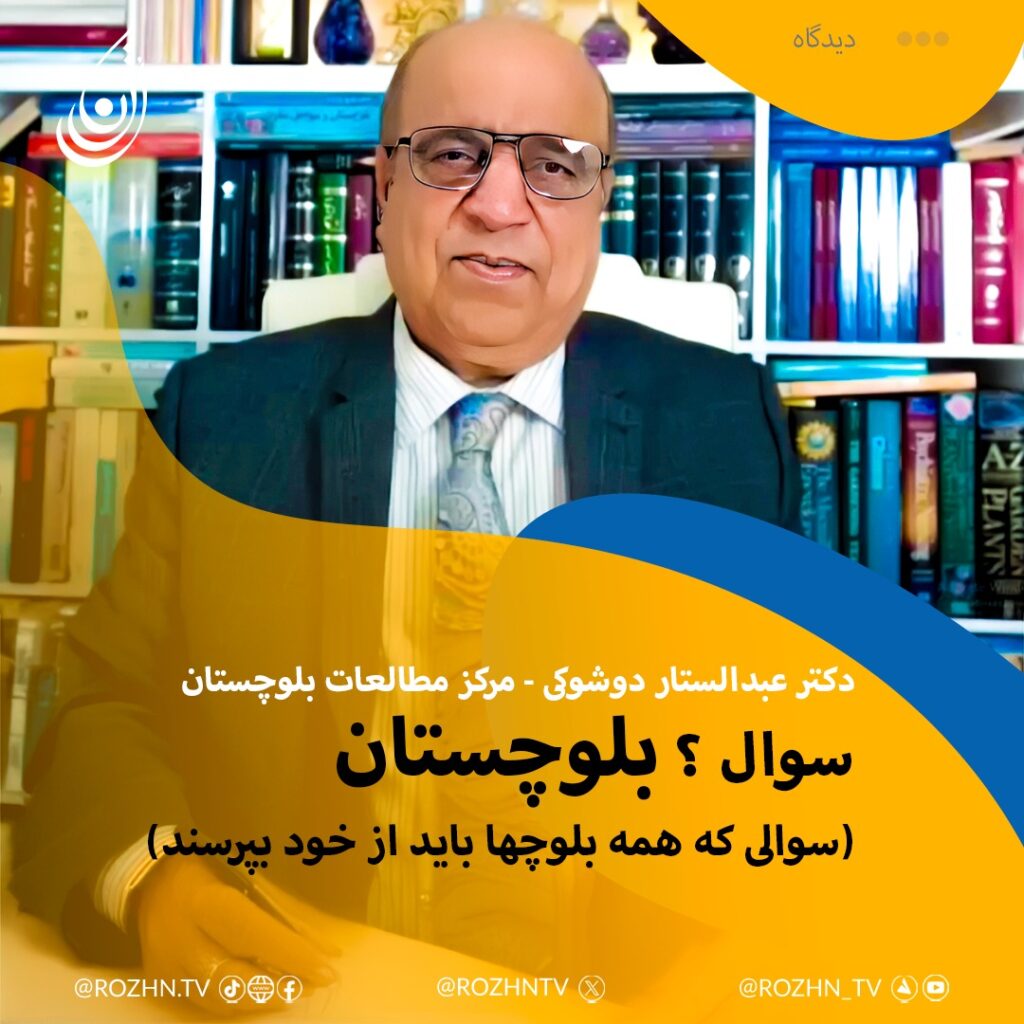
سوال ؟ بلوچستان (سوالی که همه بلوچها باید از خود بپرسند)
گزارش تلویزیون رُژن | شنبه ۲۴ آبان ۱۴۰۴ / ۱۵ نوامبر ۲۰۲۵
عبدالستار دوشوکی
مرکز مطالعات بلوچستان — لندن
شنبه ۲۴ آبان ۱۴۰۴
مقدمه
سازمان ملل متحد حق تعیین سرنوشت را به عنوان یک اصل بنیادین در منشور خود و قوانین بینالمللی پذیرفته است. این اصل شامل دو جنبه اصلی است:
جنبه بیرونی (استقلال) و جنبه درونی (مشارکت در حکومت).
منشور ملل متحد: حق تعیین سرنوشت در بند ۲ ماده ۱ منشور ملل متحد ذکر شده است.
میثاقهای بینالمللی: این حق در میثاقهای حقوق بشر سال ۱۹۶۶ سازمان ملل نیز گنجانده شده است.
قطعنامههای شورای امنیت: شورای امنیت در قطعنامههایی مانند ۱۵۱۴ و ۱۸۰۳ به این حق اشاره کرده است.
قطعنامههای مجمع عمومی: این حق در بسیاری از قطعنامههای مجمع عمومی سازمان ملل متحد نیز مورد حمایت قرار گرفته است.
پیشگفتار
در سال ۱۹۴۵ که سازمان ملل تشکیل شد، فقط ۵۱ کشور رسمیت داشتند. از آن زمان تا به امروز این رقم حدود چهار برابر شده است. اگر جدایی یا استقلال (بهقول شما «تجزیهطلبی») جرم و منفور بود، چرا سازمان ملل تجزیه (استقلال) قریب به ۱۵۰ کشور دیگر را به رسمیت شناخت؟ و این رقم علیرغم مخالفت استعمارگران رو به افزونی است.
وانگهی بسیاری از این کشورهای مستعمره مثل سنگاپور، مالزی، استرالیا، نیوزیلند، تیمور شرقی و غیره توسط استعمارگران آباد شده بودند. برعکس، مثلاً بلوچستان سهمی جز سرکوب، اعدام، زندان، فقر، تبعیض و تحقیر نداشته است.
هفته پیش در زادگاه بنده (چابهار) مأمورین غیربومی منازل و کلبههای مردم بومی بلوچ را با بولدوزر تخریب کردند. همین امروز (شنبه) منازل مردم بلوچ در شهر و زادگاه خودشان، زاهدان تخریب شدند.
این روند برای دههها تکرار شده است. بنابراین برای بلوچهایی که عایدی از ساختار سیاسی چیزی جز اعدام، فقر، تبعیض، تحقیر و تصرف زمینهایشان توسط نیروهای غیرمحلی نبوده، «ایرانی بودن» به معنای افتخار تلقی نمیشود.
سؤال ساده این است:
سهم بلوچها از ایران چه بوده است؟
همین مولفه در مورد مناطق دیگری مانند کردستان نیز صدق میکند.
مثال بلوچستان یا کردستان
بلوچستان از نظر جمعیت بلوچ در رده ۵۹ در بین حدود ۲۰۰ کشور جهان قرار میگیرد.
از نظر مساحت نیز با حدود ۷۰۰ هزار کیلومتر مربع (که بین سه کشور تقسیم شده) در رده ۳۹ سازمان ملل بعد از زامبیا با مساحت ۷۵۲ هزار کیلومتر مربع قرار میگیرد.
زبان بلوچی نیز در میان هزاران زبان زنده دنیا، در بین صد زبان نخست قرار دارد.
قدمت مستند بلوچستان به هزاران سال قبل برمیگردد و در شاهنامه از جنگهای فراوان میان «شاه ایران» و «شاه مَکُرانزمین» (بلوچستان) بارها یاد شده است.
سؤال؟
چرا کشورهایی مانند:
نوآرو (Nauru) با جمعیت ۱۰ هزار نفر
تووآلو (Tuvalu) با جمعیت ۱۱ هزار نفر
پلاؤ (Palau) با جمعیت ۱۸ هزار نفر
سانمارینو (San Marino) با ۳۴ هزار نفر
و قریب به ۱۴۰ کشور دیگر دنیا بدون هویت تاریخی طولانی و با مساحت و جمعیتی بسیار کمتر از بلوچستان، حق حاکمیت و حق عضویت در سازمان ملل را دارند؛
اما اگر یک بلــوچ یا کُــرد همین حق ذاتی و قانونی را مطالبه کند، بهعنوان خیانتکار و تجزیهطلب سرکوب میشود؟
چرا؟
چرا کشورهای مصنوعی جدیدالتأسیس مثل پاکستان، امارات، بحرین، عراق، سوریه، لبنان و فلسطین حق «ملت بودن» و «استقلال» دارند؛
اما برای دهها میلیون بلوچ و کُرد، این حقِ طبیعی، تابو، حرام، خیانت و جرم محسوب میشود؟
چرا؟
نتیجهگیری
آیا برای یک اسیر و زندانی که رهایی و آزادی خود را طلب میکند، چنین درخواستی «جرم» و «خیانت» است؟
آیا درخواست رهایی ۱۵۰ ملت در طی ۸۰ سال گذشته جرم و خیانت بوده است؟
خصوصاً زمانی که این «زندانی» قربانی شکنجه، تحقیر، گرسنگی و تشنگی بوده باشد.
نگارنده بیش از چهار سال و نیم پیش در برنامهای مستند به نام:
«در قمار تاریخ — ما بلوچها چرا و چگونه بلوچستان را باختیم» (لینک ۱)
و یک سال پیش نیز در مطلبی با عنوان:
«این وطن هرگز برای ما وطن نبوده است» (لینک ۲)
این موضوع را با جزئیات توضیح دادهام.
نتیجهگیری و خلاصه کلام نگارنده نیز همین است:
«این وطن هرگز برای ما وطن نبوده است.»
آیا طرح این سؤال مشروع و آکادمیک، جرم است؟
عبدالستار دوشوکی
مرکز مطالعات بلوچستان — لندن
شنبه ۲۴ آبان ۱۴۰۴
لینک ۱ – در قمار تاریخ ما بلوچها چرا و چگونه بلوچستان را باختیم https://www.instagram.com/reel/DIPF1vROKgq/ لینک ۲ – این وطن هرگز برای ما وطن نبوده است https://news.gooya.com/2024/11/post-92260.php
https://iranefardalive.com/Archive/121381
https://www.facebook.com/Kadkhodaie/videos/1605796146476630/
مقالهی اصلی روی سایت اتحاد کمونیسم کارگری
ENThe Question of Balochistan (A Question Every Baloch Should Ask Themselves)Read in English
Rozhn TV | Saturday, November 15, 2025
Abdul Sattar Doshouki
Balochistan Studies Center, London
Saturday, November 15, 2025
Introduction
The United Nations has accepted the right to self-determination as a fundamental principle in its Charter and in international law. This principle has two main aspects:
the external aspect (independence) and the internal aspect (participation in government).
UN Charter: The right to self-determination is stated in Article 1, paragraph 2 of the UN Charter.
International covenants: This right is also included in the UN’s 1966 human rights covenants.
Security Council resolutions: The Security Council has referred to this right in resolutions such as 1514 and 1803.
General Assembly resolutions: This right has also been supported in many resolutions of the UN General Assembly.
Preface
In 1945, when the United Nations was formed, only 51 countries were officially recognized. Since then the figure has roughly quadrupled. If secession or independence (what you call “separatism”) were a crime and detestable, why did the United Nations recognize the secession (independence) of nearly 150 other countries? And despite the opposition of the colonizers, this number continues to grow.
Moreover, many of these colonized countries, such as Singapore, Malaysia, Australia, New Zealand, East Timor and others, were developed by the colonizers. By contrast, Balochistan, for example, has had no share but repression, executions, imprisonment, poverty, discrimination and humiliation.
Last week in my hometown (Chabahar), non-native officials demolished the homes and huts of the native Baloch people with bulldozers. Just today (Saturday), the homes of Baloch people in their own city and hometown, Zahedan, were demolished.
This process has been repeated for decades. Therefore, for Baloch people whose only gains from the political structure have been executions, poverty, discrimination, humiliation and the seizure of their lands by non-local forces, “being Iranian” is not regarded as a source of pride.
The simple question is this:
What has been the Baloch share of Iran?
The same factor applies to other regions such as Kurdistan.
The example of Balochistan or Kurdistan
In terms of Baloch population, Balochistan ranks 59th among about 200 countries of the world.
In terms of area, with about 700 thousand square kilometers (divided among three countries), it ranks 39th among UN members, after Zambia with an area of 752 thousand square kilometers.
The Balochi language also ranks among the first hundred of the thousands of living languages of the world.
The documented history of Balochistan goes back thousands of years, and the Shahnameh repeatedly mentions the many wars between the “King of Iran” and the “King of Makranzamin” (Balochistan).
The question?
Why are countries such as:
Nauru with a population of 10 thousand
Tuvalu with a population of 11 thousand
Palau with a population of 18 thousand
San Marino with 34 thousand
and nearly 140 other countries in the world, without a long historical identity and with far less area and population than Balochistan, entitled to sovereignty and membership in the United Nations;
but if a Baloch or a Kurd demands this same inherent and legal right, he is suppressed as a traitor and separatist?
Why?
Why do newly founded artificial countries such as Pakistan, the UAE, Bahrain, Iraq, Syria, Lebanon and Palestine have the right to be a “nation” and to “independence”;
but for tens of millions of Baloch and Kurds, this natural right is considered taboo, forbidden (haram), treason and a crime?
Why?
Conclusion
For a captive and prisoner who demands his release and freedom, is such a request a “crime” and “treason”?
Has the demand for liberation by 150 nations over the past 80 years been a crime and treason?
Especially when this “prisoner” has been a victim of torture, humiliation, hunger and thirst.
More than four and a half years ago, in a documentary program titled:
“In the Gamble of History – Why and How We Baloch Lost Balochistan” (Link 1)
and a year ago in a piece titled:
“This Homeland Has Never Been a Homeland for Us” (Link 2)
I explained this issue in detail.
The author’s conclusion and summary is likewise this:
“This homeland has never been a homeland for us.”
Is raising this legitimate and academic question a crime?
Abdul Sattar Doshouki
Balochistan Studies Center, London
Saturday, November 15, 2025
Link 1 – In the Gamble of History, Why and How We Baloch Lost Balochistan https://www.instagram.com/reel/DIPF1vROKgq/ Link 2 – This Homeland Has Never Been a Homeland for Us https://news.gooya.com/2024/11/post-92260.php
https://iranefardalive.com/Archive/121381
https://www.facebook.com/Kadkhodaie/videos/1605796146476630/
The original article on the website of Unity of Workers’ Communism