مراسم خواستگاری و ازدواج در بلوچستان
گزارش تلویزیون رُژن | پنجشنبه ۱۳ آذر ۱۴۰۴ / ۴ دسامبر ۲۰۲۵
مراسم مربوط به خواستگاری، ازدواج و جشن عروسی در بلوچستان، همانند بسیاری از فرهنگهای سنتی ایران، با مجموعهای از آداب و رسوم شناخته میشود که برخی از آنها در گذر زمان تغییر یافته اما بسیاری همچنان جایگاه مهمی در جامعه بلوچ دارند.
حنابندان یا سرشودان حنابندان یکی از اصلیترین و شناختهشدهترین مراسمهای عروسی در بلوچستان است و معمولاً یک شب پیش از مراسم عروسی برگزار میشود. در این آیین، دستان عروس و داماد با حنا تزیین میشود و خانواده و نزدیکان با اجرای موسیقی و رقصهای محلی به جشن میپردازند. این مراسم در فرهنگ بلوچ نماد آغاز زندگی مشترک همراه با شادی و خوشبختی است.
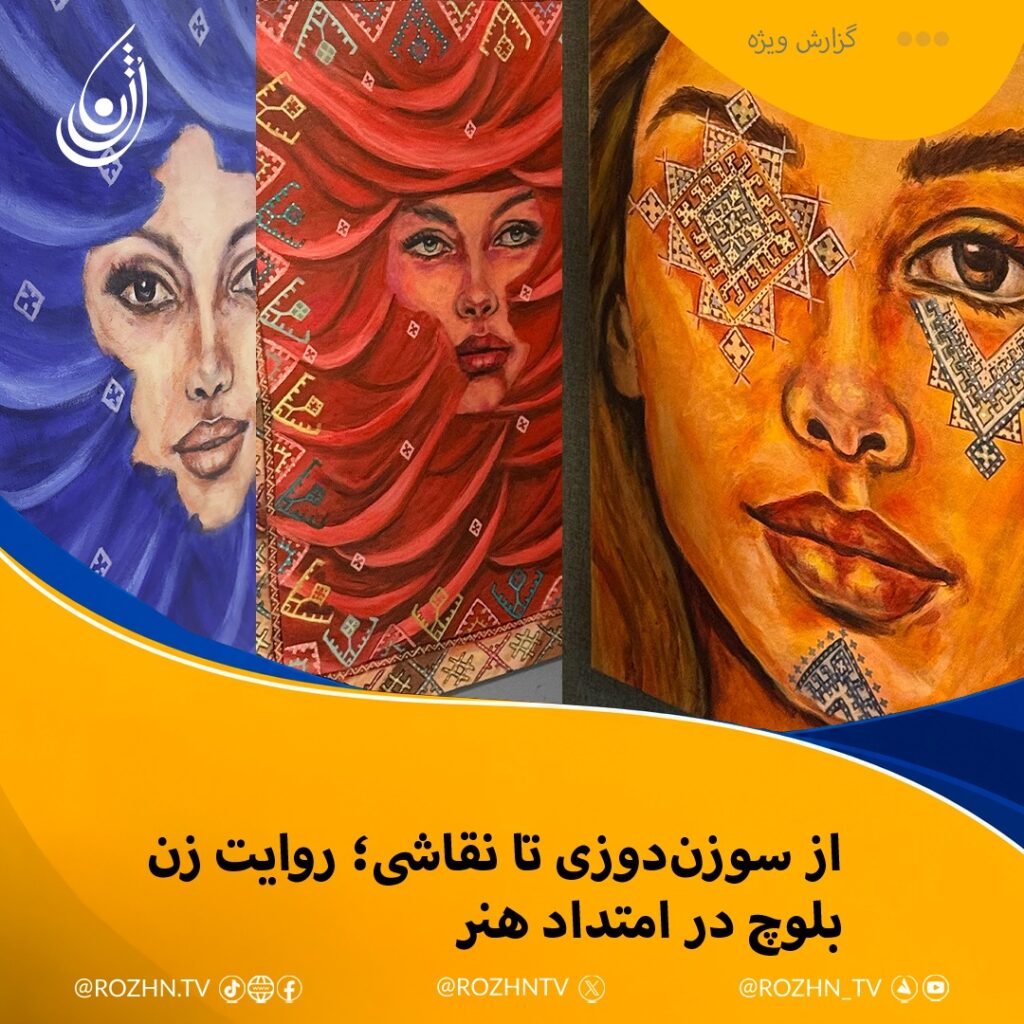
عروسی یا آروسان مراسم اصلی عروسی معمولاً با حضور گسترده اقوام و مهمانان برگزار میشود. در گذشته این مراسم ممکن بود چند روز ادامه داشته باشد، اما با توجه به شرایط اقتصادی، امروزه اغلب در یک روز برگزار میشود. برنامههای این مراسم شامل رقصهای محلی از جمله لیوا و دوچاپی و اجرای موسیقی سنتی با سازهایی مانند دهل، سروز و بنجو است. عروس در این مراسم لباس سنتی بلوچ با طرحها و رنگهای ویژه میپوشد؛ پوششی که توسط هنرمندان زن بلوچ با سوزندوزی تهیه میشود و از جمله آثار ارزشمند فرهنگی و هنری این منطقه به شمار میآید.
سنت بجار «بجار» یک سنت اجتماعی در فرهنگ بلوچ است که طی آن اقوام داماد پس از مشخص شدن زمان عروسی، به صورت نقدی یا غیرنقدی در تامین هزینهها به او کمک میکنند. این سنت مبتنی بر همیاری و حمایت اجتماعی است و نشاندهنده نقش پررنگ پیوندهای خانوادگی و قومی در جامعه بلوچ میباشد.
این مجموعه مراسم و سنتها بازتابی از پیوندهای اجتماعی، فرهنگی و ارزشهای دیرینه مردم بلوچستان است و همچنان در بسیاری از مناطق این استان با اصالت و احترام برگزار میشود.
ENCourtship and Marriage Ceremonies in BalochistanRead in English
Rozhn TV | Thursday, December 4, 2025
The ceremonies of courtship, marriage and the wedding celebration in Balochistan, like those of many traditional cultures in Iran, are known for a set of customs, some of which have changed over time, while many still hold an important place in Baloch society.
Henna Night (Hanabandan or Sarshodan): Hanabandan is one of the main and best-known wedding ceremonies in Balochistan and is usually held the night before the wedding. In this ritual, the hands of the bride and groom are decorated with henna, and family and relatives celebrate with music and local dances. In Baloch culture, this ceremony symbolizes the start of married life with joy and good fortune.
The Wedding (Arosan): The main wedding ceremony is usually held with a large attendance of relatives and guests. In the past it could last several days, but given economic conditions it is now often held in a single day. The program includes local dances such as Leva and Dochapi and traditional music played on instruments such as the dohol, soroz and banjo. At this ceremony the bride wears a traditional Baloch dress with special designs and colors, a garment embroidered by Baloch women artisans and counted among the valuable cultural and artistic works of the region.
The Bajar Tradition: “Bajar” is a social tradition in Baloch culture in which the groom’s relatives, once the wedding date has been set, help him cover the costs, in cash or in kind. The tradition is based on mutual aid and social support, and it shows the strong role of family and tribal ties in Baloch society.
This set of ceremonies and traditions reflects the social and cultural bonds and long-standing values of the people of Balochistan, and in many areas of the province it is still observed with authenticity and respect.