یک دختر بلوچ دیگر ربوده شد عزیز سنگھور
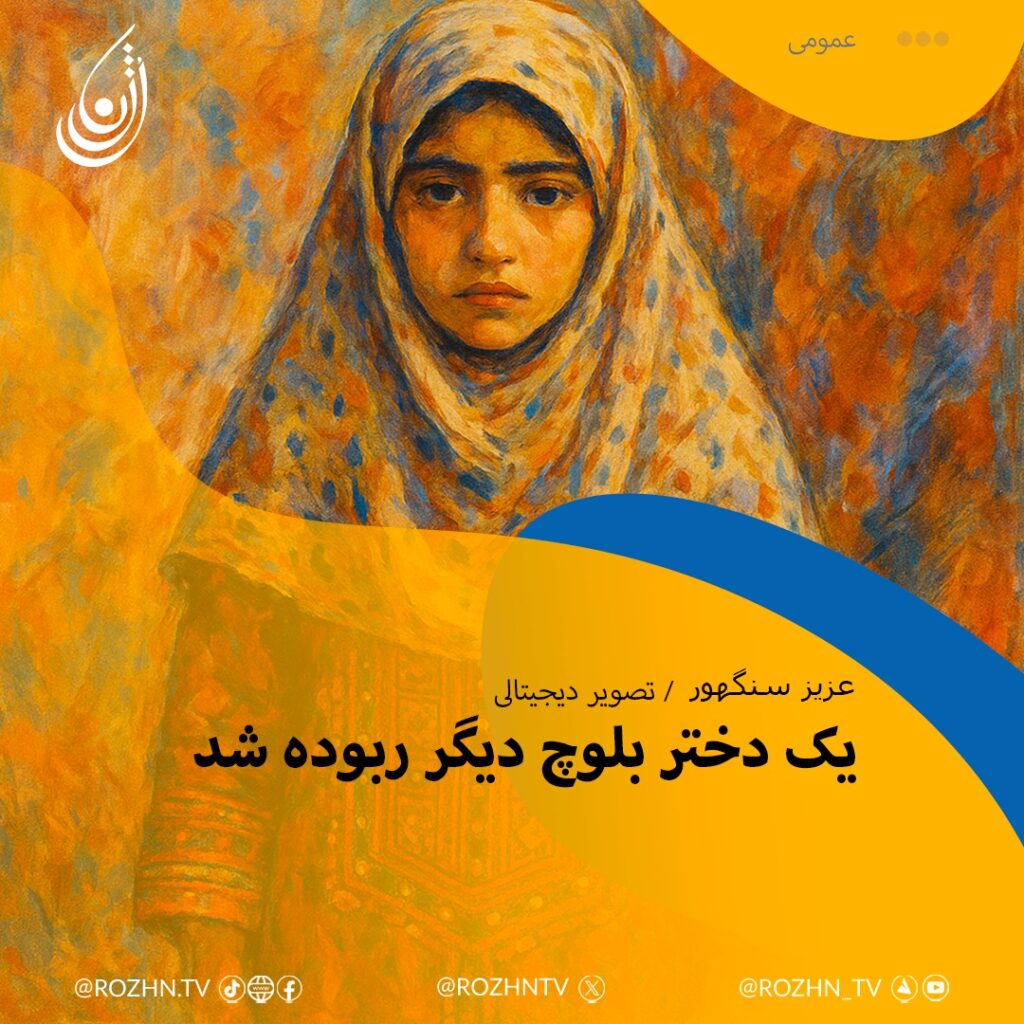
گزارش تلویزیون رُژن | پنجشنبه ۱۳ آذر ۱۴۰۴ / ۴ دسامبر ۲۰۲۵
در بلوچستان، سلسلۀ ناپدیدسازیهای اجباری و گزارشهای مربوط به ربودن زنان، به موضوعی قابل توجه و نگرانیزا تبدیل شده است. این منطقه که در طول قرنها بر پایه سنتها، ارزشهای قبیلهای و اصول اجتماعی شکل گرفته و حرمت انسان در آن جایگاهی محوری دارد، اکنون با رخدادهایی روبهرو است که از نگاه بسیاری، تهدیدی علیه جایگاه زنان در این جامعه به شمار میرود.
در شب بیستودوم نوامبر ۲۰۲۵، نسرینه دختر دلیور بلوچ، دختر پانزدهساله، از منطقۀ دارو هتل در حب چوک ناپدید شد. در حالی که پیگیریها درباره این حادثه ادامه داشت، در یکم دسامبر ۲۰۲۵ نیز گزارش شد که فرزانه بنت محمد بخش زهری، اهل خضدار، توسط نیروهای سیتیدی بازداشت و سپس بهطور اجباری ناپدید شده است. نام فرزانه در روزهای اخیر در استان و دیگر مناطق کشور مطرح شده و برای بسیاری به نمادی از حساسیت موضوع وضعیت زنان بلوچ تبدیل شده است.
بر اساس دیدگاههای مطرحشده از سوی فعالان و منابع محلی، ناپدیدشدن اجباری فرزانه صرفاً یک اقدام انتظامی ارزیابی نمیشود، بلکه در چارچوب ارزشهای اجتماعی بلوچ، اقدامی نگرانکننده تلقی شده است. در روایتهای تاریخی بلوچ تأکید میشود که حتی در دورههای جنگ و نزاعهای قبیلهای نیز زنان و کودکان مصون دانسته میشدند و این موضوع بخشی از هویت فرهنگی این جامعه بوده است. در چنین زمینهای، گزارش بازداشت و ناپدیدشدن یک زن بلوچ واکنشها و پرسشهای جدی را برانگیخته و نگرانیهایی درباره پیامدهای اجتماعی و حقوقی آن مطرح شده است.
انتشار خبر ناپدید شدن فرزانه زهری موجب افزایش احساس ناامنی و بیاعتمادی در میان خانوادههای بلوچ شده است. در مراکز محلی گفته میشود که traditionally زنان بلوچ هدف عملیات امنیتی نبودند و همین امر سبب شده است که این حادثه حساسیت بیشتری برانگیزد. برای بسیاری از شهروندان، پرسش اصلی این است که در صورت روشن نشدن وضعیت پروندههای موجود، چه پیامدهایی میتواند در آینده متوجه دیگر خانوادهها شود.
در ارزیابیهای عمومی، ربودن یا ناپدیدشدن فرزانه بنت محمد بخش زهری بهعنوان نشانهای از گسترش تدابیر امنیتی تفسیر شده که به باور منتقدان، ممکن است مرزهای سنتی و اجتماعی بلوچ را تحت تأثیر قرار دهد. فعالان هشدار میدهند که تداوم چنین روندی میتواند اعتماد میان جامعه محلی و نهادهای دولتی را کاهش دهد.
کارشناسان، خانوادهها و فعالان حقوق بشری اکنون خواستار روشن شدن فوری وضعیت فرزانه زهری، معرفی او به روند قضایی طبق قانون و رسیدگی به پروندههای نسرینه و دیگر زنان ناپدیدشده هستند. از نگاه آنان، بررسی این پروندهها نه تنها برای خانوادهها اهمیت دارد، بلکه مسئلهای مرتبط با شأن و امنیت اجتماعی زنان بلوچ و هویت فرهنگی این جامعه محسوب میشود.
ENAnother Baloch Girl Abducted – Aziz SanghurRead in English
Rozhn TV | Thursday, December 4, 2025
In Balochistan, the series of enforced disappearances and reports of the abduction of women have become a notable and worrying issue. This region, shaped over centuries by traditions, tribal values and social principles, and in which human dignity holds a central place, now faces events that many see as a threat to the standing of women in this society.
On the night of November 22, 2025, Nasreen, daughter of Dilewar Baloch, a 15-year-old girl, disappeared from the Daru Hotel area in Hub Chowki. While follow-up inquiries about the incident were continuing, it was reported on December 1, 2025 that Farzana, daughter of Muhammad Bakhsh Zehri, from Khuzdar, had been detained by CTD forces and then forcibly disappeared. In recent days Farzana’s name has been raised in the province and in other parts of the country, and for many she has become a symbol of the sensitivity of the situation of Baloch women.
According to views expressed by activists and local sources, Farzana’s enforced disappearance is not seen merely as a law-enforcement action but, within the framework of Baloch social values, as a troubling act. Historical Baloch narratives stress that even in times of war and tribal feuds, women and children were regarded as immune, and this has been part of the cultural identity of this society. In this context, the reported detention and disappearance of a Baloch woman has provoked serious reactions and questions, and concerns have been raised about its social and legal consequences.
The news of Farzana Zehri’s disappearance has increased the sense of insecurity and distrust among Baloch families. In local circles it is said that traditionally Baloch women were not targets of security operations, and this has made the incident all the more sensitive. For many citizens, the main question is what consequences could befall other families in the future if the status of the existing cases is not clarified.
In public assessments, the abduction or disappearance of Farzana, daughter of Muhammad Bakhsh Zehri, has been interpreted as a sign of the expansion of security measures that, in the view of critics, may affect traditional and social boundaries in Baloch society. Activists warn that the continuation of such a trend could reduce trust between the local community and government institutions.
Experts, families and human rights activists are now calling for the immediate clarification of Farzana Zehri’s status, for her to be brought before the judicial process in accordance with the law, and for the cases of Nasreen and other disappeared women to be addressed. In their view, examining these cases matters not only to the families but is also an issue tied to the dignity and social security of Baloch women and to the cultural identity of this community.