حادثه رانندگی در چابهار و پرسشهایی که بیپاسخ ماندهاند
تلویزیون رُژن | پنجشنبه ۲۷ آذر ۱۴۰۴ / ۱۸ دسامبر ۲۰۲۵
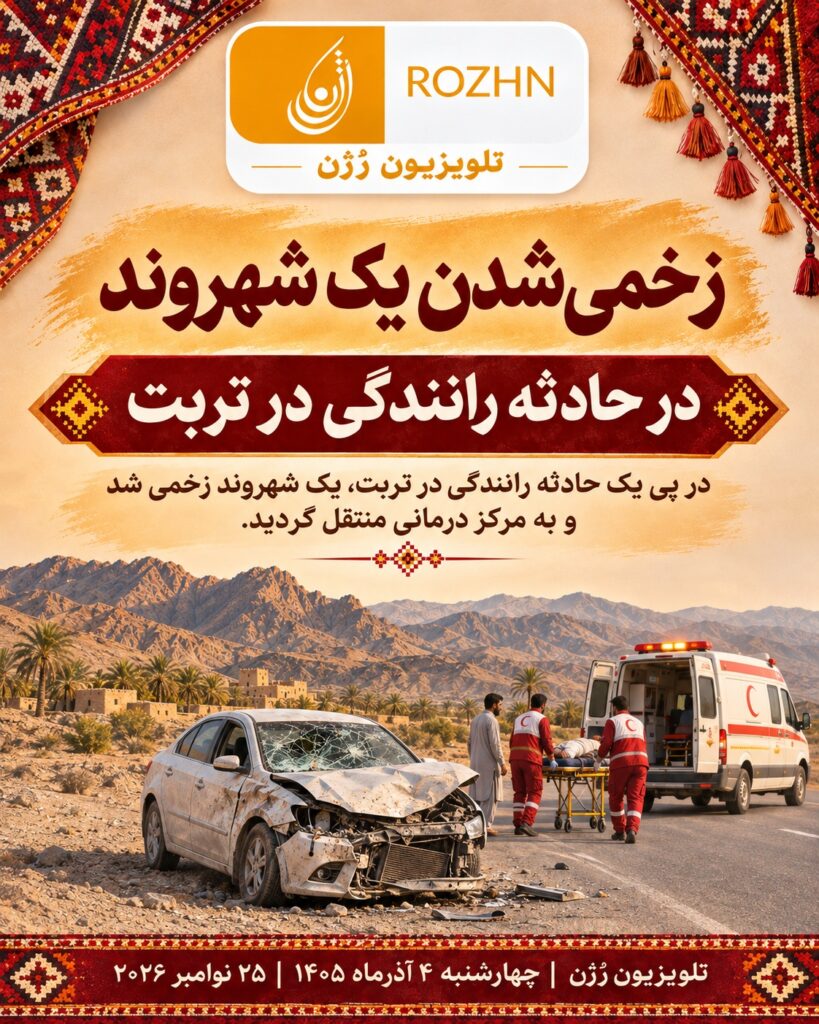
روز جمعه ۲۱ آذرماه ۱۴۰۴، یک دستگاه خودروی پژو پارس در بلوار شهید ریگی شهر چابهار، مقابل دانشگاه دریانوردی، دچار واژگونی شد. در زمان وقوع این حادثه، دو نوجوان بلوچ سرنشین خودرو بودند که تنها یکی از آنها مجروح شد.
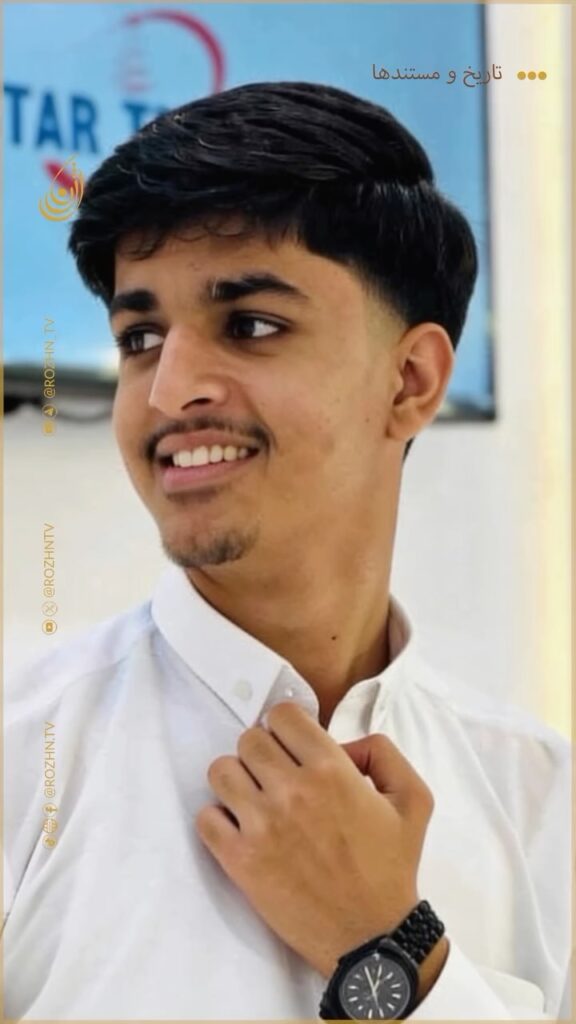
بر اساس اطلاعات دریافتی، «معاذ تباور» ۱۷ ساله، بهدلیل شدت جراحات وارده به بیمارستان امام علی چابهار منتقل و در بخش مراقبتهای ویژه (ICU) بستری شده است. وضعیت وی نامناسب گزارش شده است. دیگر سرنشین خودرو، «حسامالدین خانهزائی» ۱۶ ساله، در این حادثه آسیبی ندیده است.
پس از انتقال این نوجوان به مرکز درمانی، خانواده او با این واقعیت روبهرو شدهاند که امکان انجام عمل جراحی تخصصی در بیمارستان امام علی چابهار فراهم نیست و ناچار به پیگیری تأمین پزشک متخصص از شهر یا استان دیگر شدهاند.
این حادثه، بار دیگر پرسشهایی انسانی و اساسی را در افکار عمومی مطرح میکند: چگونه ممکن است شهری مانند چابهار، که همواره بهعنوان یکی از نقاط راهبردی کشور معرفی میشود، در شرایط اورژانسی با کمبود امکانات درمانی تخصصی مواجه باشد؟
اگر برای معاذ تباور یا بیماران مشابه، بهدلیل نبود دسترسی فوری به خدمات درمانی لازم، اتفاقی ناگوار رخ دهد، مسئولیت پاسخگویی بر عهده چه نهادی خواهد بود؟ وضعیت بیمارانی که در شرایط مشابه قرار میگیرند، چگونه مدیریت میشود؟
شهروندان بلوچ و بسیاری از مردم ایران میپرسند منابع و بودجههایی که برای توسعه مناطق مختلف کشور اختصاص مییابد، تا چه میزان صرف تقویت زیرساختهای حیاتی مانند مراکز درمانی، تجهیزات پزشکی و حضور پزشکان متخصص شده است؟
طرح این پرسشها نه با هدف تقابل، بلکه از سر نگرانیهای انسانی و تجربههای واقعی خانوادهها صورت میگیرد. خانواده معاذ تباور، همانند بسیاری دیگر، تنها خواهان دسترسی به حداقلهای درمانی و حفظ جان فرزندشان در شرایط بحرانی هستند.
طرح شفاف این پرسشها بخشی از مسئولیت رسانهای است و انتظار میرود نهادهای مسئول با پاسخگویی روشن و اقدامات عملی، مانع از تکرار چنین وضعیتهایی شوند.
ENTraffic Accident in Chabahar and the Questions That Remain UnansweredRead in English
Rozhn TV | Thursday, December 18, 2025
On Friday, December 12, 2025, a Peugeot Pars overturned on Shahid Rigi Boulevard in the city of Chabahar, in front of the Maritime University. Two Baloch teenagers were in the car at the time of the accident, and only one of them was injured.
According to information received, 17-year-old “Moaz Tabavar” was taken to Imam Ali Hospital in Chabahar because of the severity of his injuries and admitted to the intensive care unit (ICU). His condition has been reported as poor. The other occupant of the car, 16-year-old “Hesamoddin Khanehzaei,” was not hurt in the accident.
After the teenager was taken to the medical center, his family were confronted with the fact that specialized surgery could not be performed at Imam Ali Hospital in Chabahar, and they were forced to try to bring in a specialist doctor from another city or province.
The incident has once again raised fundamental human questions in public opinion: how is it possible that a city like Chabahar, which is constantly presented as one of the country’s strategic locations, lacks specialized medical facilities in emergencies?
If something terrible happens to Moaz Tabavar or similar patients because of the lack of immediate access to necessary medical services, which institution will be responsible for answering for it? How are patients in similar situations managed?
Baloch citizens and many people across Iran are asking to what extent the resources and budgets allocated for the development of different parts of the country have been spent on strengthening vital infrastructure such as medical centers, medical equipment and the presence of specialist doctors.
These questions are raised not out of confrontation but out of human concern and the real experiences of families. Moaz Tabavar’s family, like many others, only want access to minimum medical care and to keep their child alive in a critical situation.
Raising these questions openly is part of the media’s responsibility, and the responsible institutions are expected to prevent such situations from recurring through clear accountability and practical action.