وداع «ماما»، وداع!
عزیز سنگھور
روایت حقوق بشری
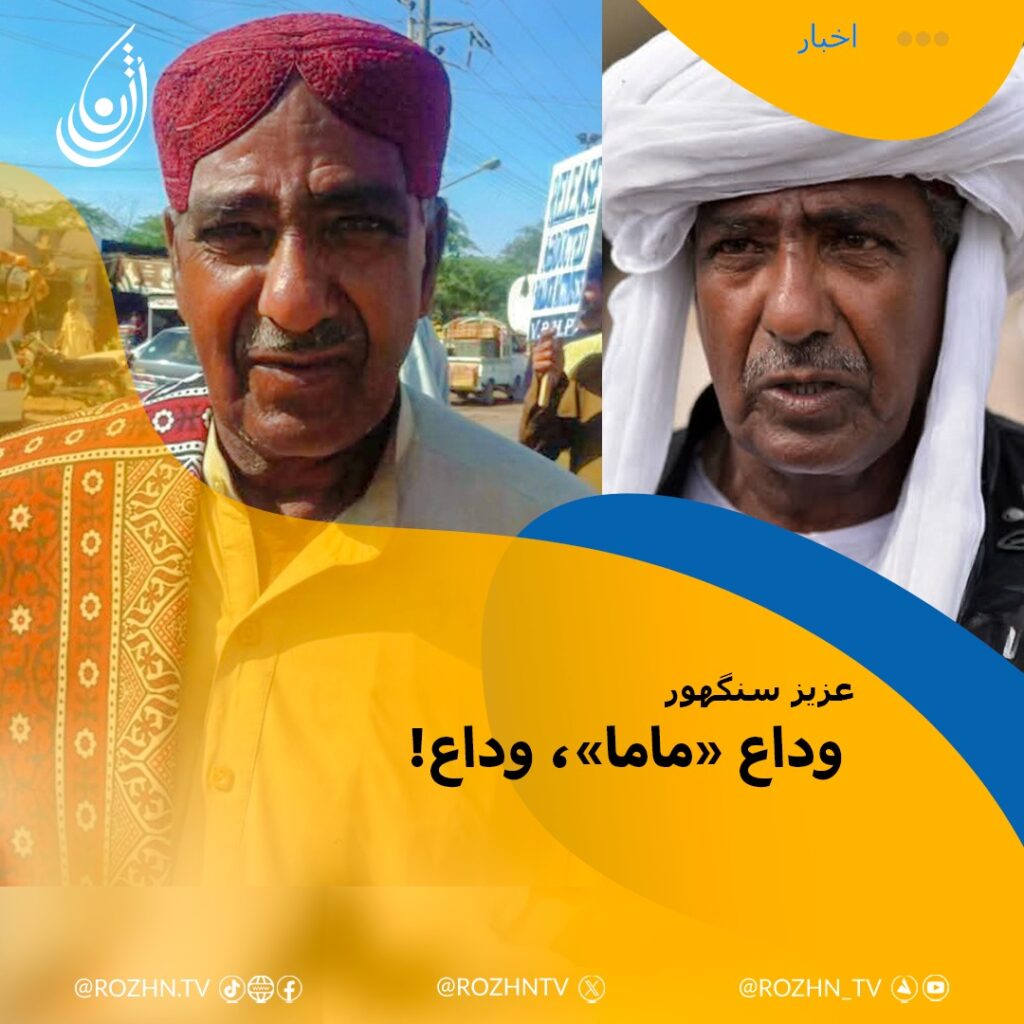
سرزمینِ بلوچ بار دیگر با یکی از فرزندان بزرگ خود وداع گفته است. ماما قدیر بلوچ، رهبر بنیانگذار «صدای بلوچهای ناپدیدشده» (Voice for Baloch Missing Persons)، دیگر در میان ما نیست. پس از مبارزهای طولانی، استوار و بیبدیل، او از این جهان رخت بربست؛ اما مأموریتی از خود بهجا گذاشت که برای هر فرزند بلوچ امانتی گرانسنگ است.
ماما قدیر تنها یک فرد نبود؛ او به نام یک جنبش بدل شده بود. مبارزهاش از یک فاجعهٔ شخصی آغاز شد، اما آن را به صدایی جمعی تبدیل کرد. ناپدیدسازی اجباری پسرش، جلیل ریکی، و سپس بازگشت پیکر مُثلهشدهٔ او، بهجای آنکه ماما قدیر را درهم بشکند، استوارترش ساخت. او از کویته تا کراچی، از کراچی تا اسلامآباد و سپس در مجامع جهانی، صدای ناپدیدشدگان باقی ماند.
شهرستان سوراب در بلوچستان نهتنها سرشار از زیباییهای طبیعی است، بلکه روایتهای بیمانندی از آگاهی سیاسی، فداکاری و پیکار را در خود جای داده است. این خاک رهبران جسوری پرورده که برای حقوق ملتشان برخاستند؛ و در میان آنان، نام ماما قدیر بلوچ میدرخشد—پدری که رنج شخصی را به جنبشی مردمی بدل کرد.
ماما قدیر بلوچ «صدای بلوچهای ناپدیدشده» را زمانی بنیان نهاد که پسرش جلیل ریکی در ۱۳ فوریهٔ ۲۰۰۹ از منطقهٔ سریاب رودِ کویته ناپدید شد. سه سال بعد، در ۲۳ نوامبر ۲۰۱۱، پیکر مُثلهشدهٔ او در شهرستان کیچ یافت شد. جلیل ریکی کارمند یک بانک بود. مدتی بعد از کار کناره گرفت و به حزب «جمهوری وطن» نواب اکبر بگتی پیوست. پس از کشتهشدن نواب بگتی، وابستگی او به نوهاش، براهمداغ بگتی، ادامه یافت و بهعنوان دبیر اطلاعات مرکزی حزب جمهوریخواه بلوچ منصوب شد.
پس از یافتن پیکر پسرش، ماما قدیر تصمیم گرفت صدای دیگر ناپدیدشدگان بلوچ باشد. از آن پس، اعتراض خود را بهصورت روزانه ثبت میکرد—اعتراضی که در واقع از همان روزهای نخستِ ربایش جلیل آغاز شده بود. او در مصاحبهای گفت:
«ذهنم نمیپذیرفت که او را (جلیل را) بکشند. اینهمه مدت او را در بند نگه داشتند، شکنجه کردند، بازجویی کردند؛ فکر میکردم حالا چرا باید او را بکشند؟»
این سخنان، هم دردِ دلِ یک پدر است و هم شرارهٔ مقاومتی که جنبشی را زاده است.
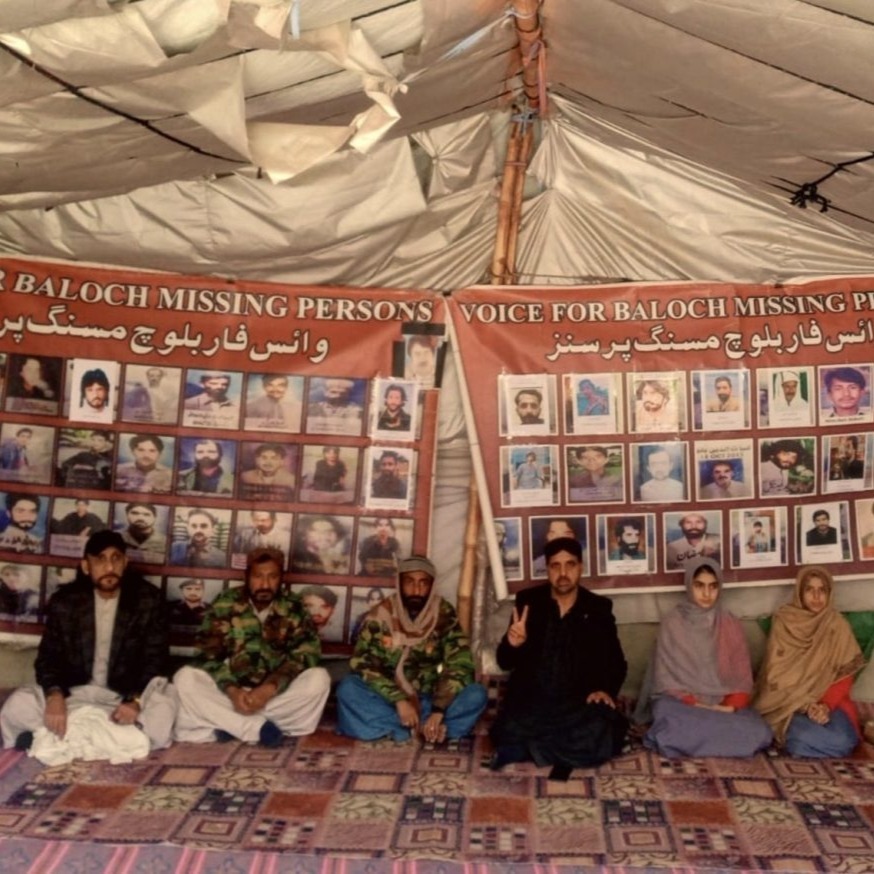
اعتراض ماما قدیر به روالی روزانه بدل شد. باران باشد یا طوفان، سرمای جانسوز یا گرمای سوزان، اردوگاه اعتراضی او هرگز برچیده نشد. زمستانها مقابل باشگاه مطبوعات کراچی، تابستانها مقابل باشگاه مطبوعات کویته، و گاه در اسلامآباد، چادر اعتراضش برپا بود.
اما تاریخیترین پیکار او همان بود که جهان آن را «طولانیترین راهپیمایی پیاده» نامید: از کویته تا کراچی و سپس تا اسلامآباد. این سفر تنها پیمودن فاصلهها نبود؛ سفرِ فداکاری، شجاعت و مقاومت بود. این راهپیمایی که چهار ماه به طول انجامید، به رکوردی جهانی بدل شد.
ماما قدیر برای بازیابی ناپدیدشدگان فعالانه مبارزه کرد و در تاریخ بلوچستان به نماد مقاومت، استقامت و فداکاری تبدیل شد. نقش او گواه آن است که شجاعت یک فرد میتواند صدای یک ملت شود. هر لحظه از زندگیاش وقف بازیابی ناپدیدشدگان بلوچ، عدالت و بیداری آگاهی ملی بود. اعتراض او محدود به بنرها، اردوگاهها و راهپیماییها نماند؛ او با تمام وجود، استعارهٔ مقاومت شد.
اما اکنون او دیگر در میان ما نیست—با اینهمه، مأموریتش هنوز به پایان نرسیده است.
ماما قدیر کاری «ناتمام» به ما سپرد؛ کاری که تکمیل آن اکنون مسئولیت همگان است. هر فرد بلوچ—هر جوان، هر مادر، هر خواهر و هر بزرگ—باید از خود بپرسد: اگر پدری توانست اندوه فرزندش را به جنبشی ملی بدل کند، چرا ما خاموش ماندهایم؟
این صدا همچنان ما را خواهد لرزاند و یادآوری خواهد کرد که مأموریت هنوز باقی است.
ENFarewell, “Mama,” Farewell!Read in English
Aziz Sanghur
A Human Rights Narrative
The land of the Baloch has once again bid farewell to one of its great sons. Mama Qadir Baloch, founding leader of the “Voice for Baloch Missing Persons”, is no longer among us. After a long, steadfast and unparalleled struggle, he departed this world; but he left behind a mission that is a precious trust for every Baloch child.
Mama Qadir was not merely an individual; he had become the name of a movement. His struggle began with a personal tragedy, but he turned it into a collective voice. The enforced disappearance of his son, Jalil Reki, and then the return of his mutilated body, did not break Mama Qadir but made him more resolute. From Quetta to Karachi, from Karachi to Islamabad and then in international forums, he remained the voice of the disappeared.
Surab district in Balochistan is not only rich in natural beauty but also holds unparalleled narratives of political awareness, sacrifice and struggle. This soil has nurtured bold leaders who rose for the rights of their nation; and among them, the name of Mama Qadir Baloch shines—a father who turned personal suffering into a people’s movement.
Mama Qadir Baloch founded the “Voice for Baloch Missing Persons” after his son Jalil Reki disappeared from the Sariab Road area of Quetta on February 13, 2009. Three years later, on November 23, 2011, his mutilated body was found in Kech district. Jalil Reki was a bank employee. Some time later he left work and joined the “Jamhoori Watan Party” of Nawab Akbar Bugti. After Nawab Bugti was killed, his affiliation continued with his grandson, Brahumdagh Bugti, and he was appointed central information secretary of the Baloch Republican Party.
After his son’s body was found, Mama Qadir decided to be the voice of the other disappeared Baloch. From then on, he recorded his protest daily—a protest that in fact had begun in the very first days after Jalil’s abduction. In an interview he said:
“My mind could not accept that they would kill him (Jalil). They kept him in captivity for so long, tortured him, interrogated him; I thought, why would they kill him now?”
These words are both a father’s heartfelt lament and the spark of resistance that gave birth to a movement.
Mama Qadir’s protest became a daily routine. Rain or storm, bitter cold or scorching heat, his protest camp was never taken down. In winter his protest tent stood in front of the Karachi Press Club, in summer in front of the Quetta Press Club, and at times in Islamabad.
But his most historic struggle was what the world called the “longest march on foot”: from Quetta to Karachi and then to Islamabad. This journey was not merely a matter of covering distances; it was a journey of sacrifice, courage and resistance. The march, which lasted four months, became a world record.
Mama Qadir fought actively for the recovery of the disappeared and became a symbol of resistance, perseverance and sacrifice in the history of Balochistan. His role is testimony that the courage of one individual can become the voice of a nation. Every moment of his life was devoted to the recovery of the Baloch disappeared, to justice, and to the awakening of national consciousness. His protest was not confined to banners, camps and marches; with his whole being, he became a metaphor of resistance.
But now he is no longer among us—yet his mission has still not come to an end.
Mama Qadir entrusted us with “unfinished” work; work whose completion is now everyone’s responsibility. Every Baloch—every young person, every mother, every sister and every elder—must ask themselves: if a father could turn his child’s grief into a national movement, why have we remained silent?
This voice will continue to shake us and remind us that the mission remains.