بلوچستانگزارش بلند
زن بلوچ؛ هدف مستقیم سرکوب
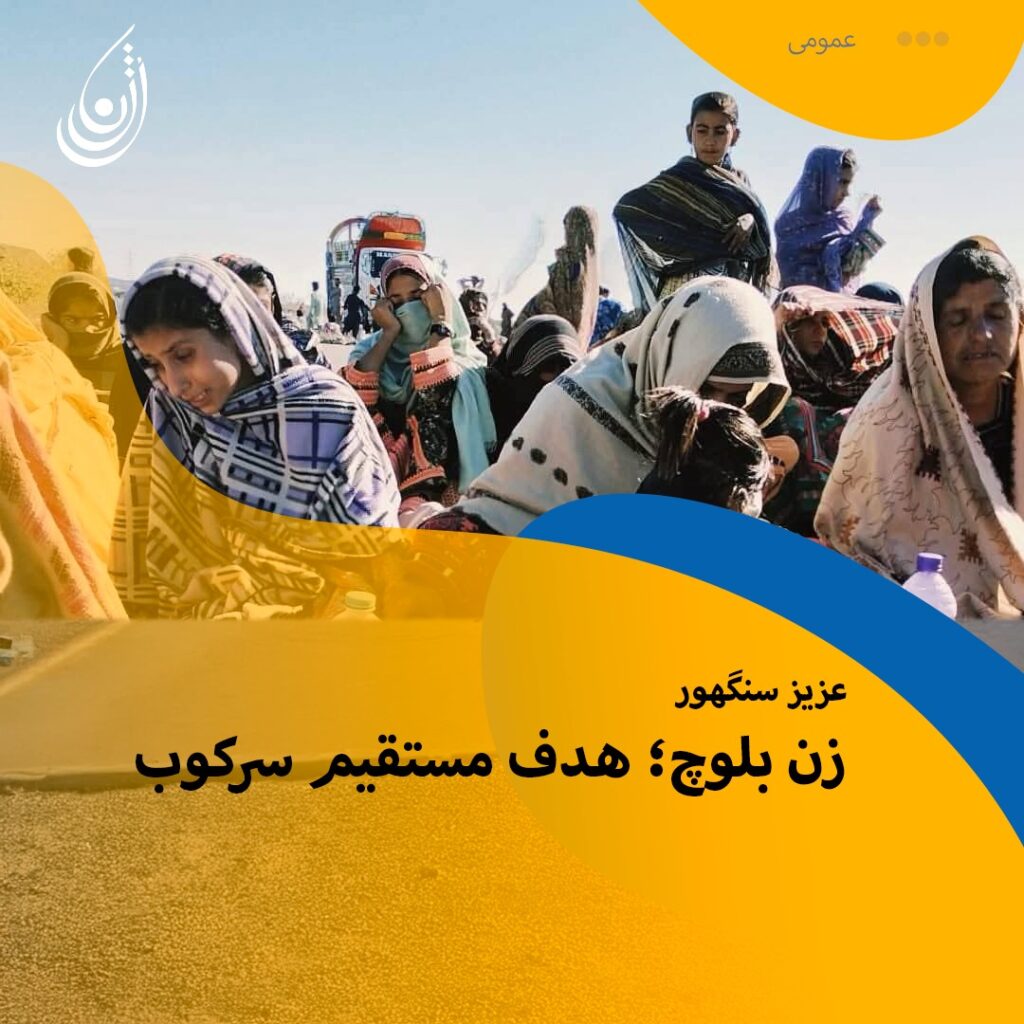
عزیز سنگھور
ناپدیدسازیهای اجباری در بلوچستان پدیدهای تازه نیست، اما در سالهای اخیر گزارشها حاکی از تغییر نگرانکنندهای در الگوی این اقدامات است؛ تغییری که نهتنها حقوق بنیادین بشر، بلکه امنیت اجتماعی و کرامت انسانی را نیز تحت تأثیر قرار داده است. در گذشته، عمده گزارشها مربوط به بازداشت و ناپدیدشدن مردان و جوانان بلوچ بود، اما در دوره اخیر، زنان بلوچ نیز در شمار افراد ناپدیدشده قرار گرفتهاند؛ امری که نگرانیهای جدی در سطح جامعه ایجاد کرده است.
بر اساس گزارشهای محلی، تازهترین مورد از این روند در منطقه کرکی تجابان از توابع شهرستان کیچ بلوچستان رخ داده است. طبق این گزارشها، چهار عضو یک خانواده، از جمله دو زن، بازداشت و به مکانی نامعلوم منتقل شدهاند. در پی این رویداد، خانوادهها و شماری از شهروندان در اعتراض به وضعیت نامشخص بازداشتشدگان، اقدام به برگزاری تحصن و مسدود کردن جاده کریدور اقتصادی چین–پاکستان (CPEC) کردهاند.
به گفته خانوادهها، افراد ناپدیدشده عبارتاند از: فرید اعجاز، ثناءالله دلوش، هانی دلوش و گلنسا واحد. بنا بر اطلاعات ارائهشده، هانی دلوش و گلنسا واحد روز گذشته در شهر صنعتی حبچوکی بازداشت شدهاند، در حالی که فرید اعجاز و ثناءالله دلوش در شهرستان کیچ بازداشت و سپس به مکانی نامعلوم منتقل شدهاند.
خانوادهها اعلام کردهاند که گلنسا واحد، که برخی منابع محلی از او با نام «حیرنسا» نیز یاد میکنند، ۱۷ ساله و دانشآموز سال اول کالج است. به گفته آنان، وی در تعطیلات تابستانی به حبچوکی سفر کرده بود که در همانجا بازداشت شده است. همچنین بنا بر اظهارات خانواده، هانی دلوش در زمان بازداشت هشتماهه باردار بوده و بازداشت او بدون ارائه حکم قضایی یا اطلاع از روند قانونی انجام شده است.
این نخستین گزارش از بازداشت و ناپدیدشدن زنان بلوچ در حبچوکی نیست. در ۱۸ دسامبر ۲۰۲۵، بنا بر گزارشها، نیروها با ورود به منزلی در منطقه دارو هتل حبچوکی، زنی بلوچ به نام حضره بلوچ، همسر ثناءالله، را بازداشت کردند. به گفته منابع محلی، وی دو روز بعد در انظار عمومی مشاهده شد، اما تاکنون هیچ توضیح رسمی درباره علت بازداشت یا ثبت پرونده قضایی در این زمینه ارائه نشده است.
پیش از آن نیز، در ۲۲ نوامبر ۲۰۲۵، گزارشهایی درباره ناپدیدشدن دختری ۱۵ ساله به نام نسرین بلوچ از همین منطقه منتشر شد.
خانواده نسرین در یک کنفرانس خبری در ۱۸ دسامبر ۲۰۲۵ اعلام کردند که نیروها به منزل آنان وارد شده و این دختر را با خود بردهاند. با گذشت چندین هفته، تاکنون هیچ اطلاع رسمی درباره محل نگهداری یا وضعیت حقوقی وی منتشر نشده است.
گزارشهای مشابهی از دیگر مناطق بلوچستان نیز منتشر شده است. در خضدار، زنی به نام فرزانه بازداشت و به مکانی نامعلوم منتقل شده و در دالبندین نیز رحیمه بلوچ به همراه برادرش بازداشت شدهاند؛ با این حال، تاکنون اطلاعاتی درباره وضعیت یا آزادی آنان در دسترس قرار نگرفته است. همچنین پرونده ماهجبین بلوچ، دانشجوی بلوچ که در ماه مه ۲۰۲۵ ناپدید شده، همچنان بدون پاسخ رسمی باقی مانده است.
خانوادهها و فعالان حقوق بشر این پرسش را مطرح میکنند که بازداشت دختران نوجوان، زنان خانهدار، زنان باردار یا دانشجویان دانشگاه، بر اساس چه مبنای قانونی و با استناد به چه اتهامی صورت میگیرد. مطابق قانون اساسی پاکستان، هرگونه بازداشت مستلزم طی مراحل قانونی، ثبت رسمی پرونده و ارائه فرد بازداشتشده به مرجع قضایی است.
ناپدیدسازی اجباری زنان بلوچ، بنا بر استانداردهای حقوق بشر بینالمللی، نقض جدی حقوق اساسی انسان محسوب میشود و آثار روانی و اجتماعی گستردهای بر خانوادهها و جامعه برجای میگذارد. گزارشها نشان میدهد که این وضعیت موجب افزایش احساس ناامنی، ترس و فشار روانی در میان شهروندان، بهویژه زنان، شده است.
در عین حال، خانوادهها نسبت به سکوت نهادهای مسئول و کندی روند رسیدگی قضایی ابراز نگرانی کردهاند. با وجود تشکیل کمیسیونهای مرتبط با ناپدیدسازیهای اجباری و فعالیت سازمانهای حقوق بشری، ادامه نامشخصبودن وضعیت زنان ناپدیدشده به موضوعی جدی در حوزه پاسخگویی نهادی تبدیل شده است.
گزارشهای منتشرشده از حبچوکی، کیچ، خضدار و دالبندین نشان میدهد که وضعیت حقوق بشر در بلوچستان همچنان نیازمند توجه فوری و شفافسازی جدی است. این مسئله صرفاً به چند خانواده محدود نمیشود، بلکه پیامدهای اجتماعی گستردهتری برای کل منطقه به همراه دارد.
خانوادهها و ناظران حقوقی تأکید میکنند که در صورت پایبندی دولت به قانون اساسی، حاکمیت قانون و اصول کرامت انسانی، لازم است وضعیت زنان ناپدیدشده فوراً بهصورت شفاف اعلام شود، پاسخگویی رسمی به خانوادهها صورت گیرد و از تداوم این روند جلوگیری شود. در غیر این صورت، ادامه این وضعیت میتواند پیامدهای حقوقی، اجتماعی و سیاسی گستردهتری در پی داشته باشد.
ENBaloch Women: Direct Targets of RepressionRead in English
Aziz Sanghur
Enforced disappearances in Balochistan are not a new phenomenon, but in recent years reports have pointed to a worrying change in the pattern of these actions, a change that affects not only fundamental human rights but also social security and human dignity. In the past, most reports concerned the detention and disappearance of Baloch men and young people, but in the recent period Baloch women have also been counted among the disappeared, a development that has raised serious concerns across society.
According to local reports, the latest case in this trend occurred in the Karki Tajaban area of Kech district in Balochistan. According to these reports, four members of one family, including two women, were detained and taken to an unknown location. Following the incident, the families and a number of citizens, protesting the unknown whereabouts of the detainees, staged a sit-in and blocked the China–Pakistan Economic Corridor (CPEC) road.
According to the families, the disappeared are Farid Ejaz, Sanaullah Dalosh, Hani Dalosh and Gulnisa Wahid. According to the information provided, Hani Dalosh and Gulnisa Wahid were detained the day before in the industrial town of Hub Chowki, while Farid Ejaz and Sanaullah Dalosh were detained in Kech district and then taken to an unknown location.
The families have said that Gulnisa Wahid, whom some local sources also refer to as “Hairunnisa,” is 17 years old and a first-year college student. According to them, she had traveled to Hub Chowki during the summer holidays, where she was detained. According to the families’ statements, Hani Dalosh was eight months pregnant at the time of her detention, and her detention was carried out without a judicial warrant or any notification of legal process.
This is not the first report of the detention and disappearance of Baloch women in Hub Chowki. On December 18, 2025, forces reportedly entered a home in the Daru Hotel area of Hub Chowki and detained a Baloch woman named Hazra Baloch, wife of Sanaullah. According to local sources, she was seen in public two days later, but so far no official explanation has been given about the reason for her detention, and no judicial case has been registered.
Earlier, on November 22, 2025, reports were published about the disappearance of a 15-year-old girl named Nasreen Baloch from the same area.
Nasreen’s family announced at a press conference on December 18, 2025 that forces had entered their home and taken the girl away. Several weeks on, no official information has been released about where she is being held or her legal status.
Similar reports have also emerged from other parts of Balochistan. In Khuzdar, a woman named Farzana was detained and taken to an unknown location, and in Dalbandin Rahima Baloch and her brother were detained; to date, no information about their status or release has become available. The case of Mahjabeen Baloch, a Baloch student who disappeared in May 2025, also remains without an official answer.
Families and human rights activists are asking on what legal basis, and on what charge, teenage girls, housewives, pregnant women and university students are being detained. Under Pakistan’s constitution, any detention requires due legal process, formal registration of a case, and the production of the detainee before a judicial authority.
The enforced disappearance of Baloch women constitutes, under international human rights standards, a serious violation of fundamental human rights and leaves wide-ranging psychological and social effects on families and society. Reports indicate that this situation has increased feelings of insecurity, fear and psychological pressure among citizens, particularly women.
At the same time, families have expressed concern over the silence of the responsible institutions and the slow pace of judicial proceedings. Despite the formation of commissions on enforced disappearances and the work of human rights organizations, the continued uncertainty over the status of the disappeared women has become a serious matter of institutional accountability.
Reports published from Hub Chowki, Kech, Khuzdar and Dalbandin show that the human rights situation in Balochistan continues to need urgent attention and serious transparency. This issue is not limited to a few families but carries broader social consequences for the entire region.
Families and legal observers stress that, if the state is committed to the constitution, the rule of law and the principles of human dignity, the status of the disappeared women must be announced transparently and immediately, official accountability must be provided to the families, and this trend must be stopped. Otherwise, the continuation of this situation could have broader legal, social and political consequences.