اعتراف کمسابقه به سهم بالای جمعیت اهلسنت در ایران و تداوم محرومیت ساختاری آنان
روز سهشنبه ۳ دیماه ۱۴۰۴ الیاس حضرتی رئیس شورای اطلاعرسانی دولت مسعود پزشکیان اعلام کرد که حدود ۲۰ درصد جمعیت ایران را اهلسنت تشکیل میدهند اعترافی کمسابقه پس از دههها عدم انتشار آمار رسمی مذهبی
بر اساس اسناد پیشین حکومت از دهه ۱۳۶۰ تاکنون از انتشار آمار دقیق مذهبی خودداری کرده و حتی برآوردهای داخلی حدود ۱۵ درصدی نیز هرگز بهصورت رسمی اعلام نشده بود
با جمعیت حدود ۹۰ میلیونی ایران رقم اعلامشده به معنای دستکم ۱۸ میلیون شهروند اهلسنت است
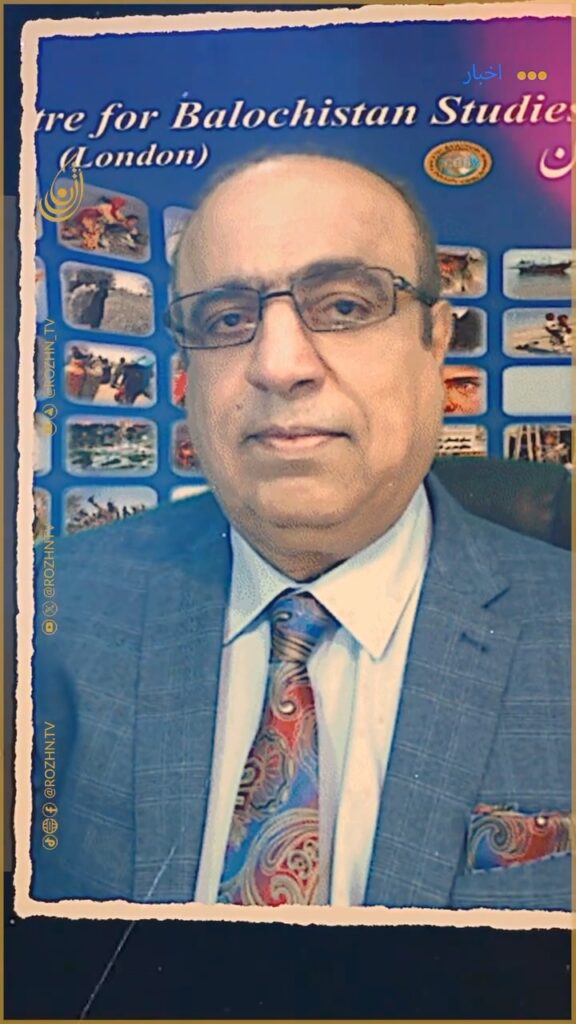
عبدالستار دوشوکی پژوهشگر مرکز مطالعات بلوچستان با استناد به دادههای سرشماری سال ۱۳۹۵ و نرخ باروری جمعیت سهم واقعی اهلسنت را کمتر از برآوردهای مستقل ندانسته و آن را حدود ۲۵ درصد برآورد کرده است
با وجود این جمعیت گسترده بر اساس گزارشها اهلسنت همچنان با محدودیتهای ساختاری از جمله نداشتن مسجد در تهران دسترسی محدود به مناصب کلان و در مناطقی مانند بلوچستان حتی محرومیت از شناسنامه و حقوق اولیه مواجهاند
ENRare Admission of the Large Sunni Share of Iran’s Population and the Continuing Structural Deprivation They FaceRead in English
On Tuesday, December 24, 2025, Elias Hazrati, head of the Information Council of Masoud Pezeshkian’s government, announced that Sunnis make up about 20 percent of Iran’s population, a rare admission after decades without publication of official religious statistics
According to earlier documents, since the 1980s the government has refrained from publishing precise religious statistics, and even internal estimates of around 15 percent were never officially announced
With Iran’s population at around 90 million, the announced figure means at least 18 million Sunni citizens
Abdul Sattar Doshouki, a researcher at the Balochistan Studies Center, citing data from the 2016 census (Iranian year 1395) and the population’s fertility rate, has said the actual Sunni share is no lower than independent estimates and has put it at about 25 percent
Despite this large population, Sunnis reportedly continue to face structural restrictions, including having no mosque in Tehran and limited access to senior posts, and in regions such as Balochistan even deprivation of identity documents and basic rights