بلوچستانگزارش بلند
طنینِ خاموشِ مَکران
تلویزیون رُژن | پنجشنبه ۱۸ دی ۱۴۰۴ / ۸ ژانویه ۲۰۲۶
عزیز سنگھور
از سال ۲۰۲۰ تا ۲۰۲۵، سیاست مکران در گردابی عمیق گرفتار بود؛ گردابی که در آن اقتدار دولت، امنیت عمومی و رهبری سیاسی، هر سه ناتوان و کمرمق به نظر میرسیدند. در این پنج سال، از یکسو شبکههای سازمانیافته قاچاق مواد مخدر نفوذ خود را گسترش دادند و از سوی دیگر شبکههای سازمانیافته آدمربایی با هدف اخاذی، جامعه را در وضعیت ناامنی دائمی قرار دادند. انسان عادی، بهویژه طبقات فقیر و متوسط، بیپناه و درمانده رها شد.
در این دوران، احزاب پارلمانیِ مدعی نمایندگی بلوچستان، عملاً واکنش مؤثری به این بحرانهای عمیق نشان ندادند. سیاست آنان عمدتاً به دورههای پیش از انتخابات، گردهماییها، شعارها و وعدهها محدود ماند و پس از پیروزی، با استقرار در ساختارهای قدرت، فاصلهای آشکار با درد و رنج روزمره مردم ایجاد شد. همین رویکرد، در بلوچستان و بهویژه در مکران، خلأیی عمیق در عرصه سیاست پدید آورد.
این خلأ صرفاً فقدان رهبری نبود؛ بلکه شکافی در اعتماد عمومی، نمایندگی سیاسی و احساس جمعی جامعه محسوب میشد. مردم از نبود پلتفرم سیاسیای رنج میبردند که بتواند بهصورت شفاف و مسئولانه درباره مشکلات روزمره آنان—از جمله مواد مخدر، آدمربایی، ناامنی و پیامدهای فروپاشی اجتماعی—سخن بگوید و پاسخ عملی سازمانیافته ارائه دهد. از همین رو، جامعه گاه ذیل عنوان «جامعه مدنی» و گاه در قالب «کمیته»های مردمی گرد هم میآمد.
این بسترهای غیررسمی اما مردمی، در عمل نقشی را ایفا کردند که انتظار میرفت احزاب سیاسی رسمی بر عهده بگیرند. در اوت ۲۰۲۰، جنبش ضد مواد مخدر که از بلیده آغاز شد، نخستین نمونه روشن این کنش جمعی مردمی بود. این جنبش نه از دل برنامههای رسمی احزاب، بلکه از بطن رنج اجتماعی و واکنش مستقیم جامعه شکل گرفت.
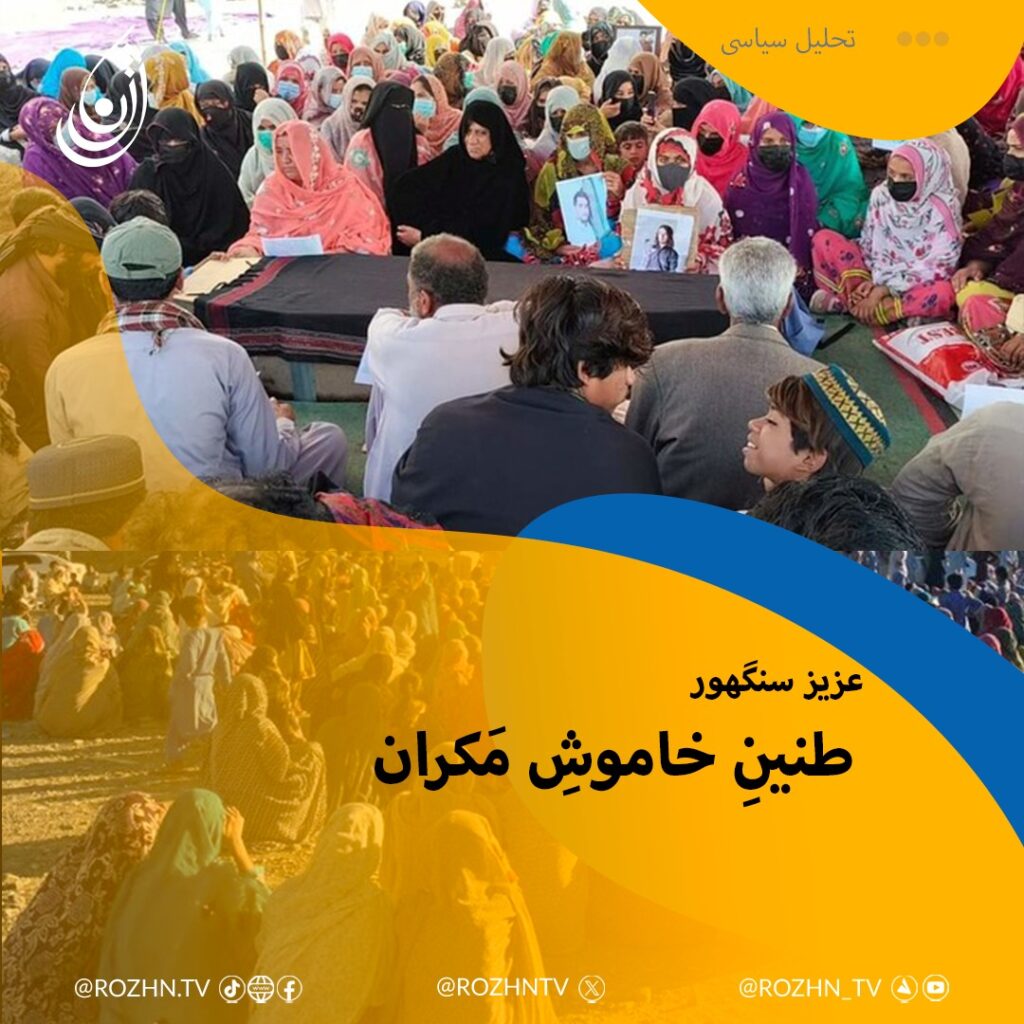
این حرکت، بازتاب صدای زنانی بود که پیامدهای ویرانگر گسترش مواد مخدر زندگی خانوادگی آنان را دچار بحران کرده بود. مادران، خواهران و همسرانی که اعضای خانوادهشان گرفتار اعتیاد شده بودند، برای نخستینبار به شکل علنی در خیابانها حضور یافتند. آنان از فقر، گرسنگی کودکان و از دست رفتن نقش نانآوران خانواده سخن گفتند.
انتشار گسترده ویدئوهای این اعتراضها در شبکههای اجتماعی، واکنش وسیع افکار عمومی را در پی داشت. راهپیمایی از بلیده تا تربت و تشکیل «کمیته ضد مواد مخدر بلیده زامران» نشان داد که جامعه دیگر تمایلی به باقیماندن در جایگاه تماشاگر منفعل ندارد.
بهسرعت، در تربت، دشت، گوادر، پسنی و دیگر مناطق مکران، تجمعها و اعتراضهایی علیه قاچاق مواد مخدر شکل گرفت. این جنبش مردمی که حدود یک سال تداوم داشت، در نهایت موجب عقبنشینی عملی شبکههای قاچاق، افزایش فشار افکار عمومی بر نهادهای مسئول و تغییر رویکرد نهادهای انتظامی و اداری شد. در پی این تحولات، شماری از افراد مرتبط با فعالیتهای مجرمانه بازداشت شدند. تمام این روندها، بدون اتکا به سیاست پارلمانی و عملاً در غیاب آن، تحقق یافت.
در همان سال، در ماه مه ۲۰۲۰، رویدادی در منطقه دَنُکِ شهرستان کیچ، نقطه عطفی دیگر در تحولات اجتماعی مکران رقم زد. در جریان یک تلاش برای سرقت مسلحانه، مادری بلوچ به نام «ملک ناز» در برابر مهاجمان مقاومت کرد و جان خود را از دست داد و دختر خردسالش «برمش» بهشدت مجروح شد.
در آن مقطع، شرایط امنیتی مکران بهگونهای بود که حضور افراد مسلح در فضاهای عمومی امری عادی تلقی میشد و احساس ناامنی در سطح جامعه گسترش یافته بود. حرمت خانه و حریم خصوصی شهروندان بارها نقض میشد و در عمل، کارکرد مؤثر نهادهای مسئول امنیتی با تردید جدی مواجه بود. با این حال، واکنش معناداری از سوی احزاب پارلمانی مشاهده نشد.
این وضعیت نخستینبار زمانی بهطور علنی به چالش کشیده شد که در اعتراض به رویداد دَنُک، تجمعی محدود در گوادر برگزار شد؛ تجمعی که با حضور و سخنرانی چهرههایی چون کامراد حسین وادیله، شاهداد بلوچ و بالاچ قادر همراه بود. این حرکت، فراتر از یک تجمع اعتراضی، تلاشی برای شکستن فضای غالب ترس و سکوت تلقی شد.
انتشار سخنرانیهای این تجمع در شبکههای اجتماعی، این پیام را به مناطق مختلف مکران، بلوچستان، سند و تا کوه سلیمان منتقل کرد که ترس، پدیدهای بازتولیدشده است و کنش جمعی میتواند معادلات را تغییر دهد. در ادامه این روند، «کمیته همبستگی برمش» شکل گرفت.
کمیته همبستگی برمش، نمونهای از مقاومت سازمانیافته مدنی در برابر خشونت ساختاری و ناامنی بود که بازتاب گستردهای یافت. اعتراضها و تجمعها در بلوچستان، سند و جنوب پنجاب برگزار شد و در نهایت، متهمان این پرونده تحت پیگرد قرار گرفتند. این رویداد نشان داد که سازمانیافتگی اجتماعی میتواند حتی ساختارهایی را که از مصونیت عملی برخوردارند، به پاسخگویی وادار کند.
در ادامه، کمیته همبستگی برمش به «کمیته همبستگی بلوچ» (BYC) تبدیل شد؛ حرکتی که ابتدا در کراچی شکل گرفت و سپس به سراسر بلوچستان گسترش یافت. از مهمترین کنشهای این حرکت، راهپیمایی طولانی از تربت تا اسلامآباد بود که مسائل جامعه بلوچ را در سطح ملی برجسته کرد.
این جنبش زمانی ابعاد تازهای یافت که نجمه بلوچ، خواهر بالاچ بلوچ، در برابر فشارها، پیشنهادها و امتیازات مختلف ایستادگی کرد و پیکر برادرش را در میدان شهید فدا بهعنوان نمادی از مطالبه عدالت عمومی قرار داد. حرکتی که ریشه در رویداد دَنُک داشت، با این کنش نمادین به مرحلهای تازه وارد شد.
نقش زنان بلوچ در این تحولات، انکارناپذیر است. مادران و خواهران بلوچ بهصورت گسترده در صحنه حضور یافتند و این حضور، به بسیج اجتماعی کمسابقهای انجامید. اعتصابها، تجمعها و اعتراضهایی شکل گرفت که از نظر دامنه و سازماندهی، حتی فراتر از توان عملی بسیاری از احزاب بزرگ سیاسی پاکستان بود.
در تمامی این تحولات سرنوشتساز، نقش سیاست پارلمانی بسیار محدود و کمرنگ باقی ماند. چه دکتر مالک بلوچ، رهبر حزب ملی، و چه سردار اختر مینگل، رهبر حزب ملی بلوچستان، حضور مؤثری در سطح میدانی این بحرانها نداشتند. در دورهای که مکران با چالشهای مواد مخدر، آدمربایی برای اخاذی و ناامنی گسترده مواجه بود، سیاست پارلمانی عمدتاً به چارچوبهای رسمی و نهادی محدود شد.
در نتیجه، بخش بزرگی از جامعه، بدون اتکا به سازوکارهای انتخاباتی، به شکل غیررسمی دست به بازتعریف رهبری اجتماعی زد؛ نوعی داوری اجتماعی خاموش اما معنادار که نشاندهنده فاصلهگرفتن از سیاست پارلمانی بود.
در همین چارچوب، هنگامی که در آغاز سال ۲۰۲۶، دکتر مالک بلوچ و دیگر سیاستمداران پارلمانگرا برای اعتراض به آدمربایی برای اخاذی در میان مردم ظاهر شدند، این حضور از سوی بخشهایی از جامعه بهعنوان واکنشی دیرهنگام تلقی شد.
در شرایط کنونی، نمایندگان پارلمانی برای بازسازی اعتماد عمومی ناگزیر از انجام تلاشی فراتر از رویههای معمول هستند. فاصلهگرفتن از مصلحتاندیشیهای کوتاهمدت و عبور از سیاستهای مبتنی بر سازشهای مستمر، به ضرورتی اجتنابناپذیر بدل شده است. بیانیهها و اعتراضهای مقطعی دیگر برای اقناع افکار عمومی کافی نیست.
سیاست پارلمانی امروز با انتخابی روشن مواجه است: یا بهصورت پایدار و مسئولانه در کنار جامعه بایستد، یا با تداوم فاصلهگیری از مطالبات واقعی مردم، هزینه گسست اجتماعی را بپذیرد.
ENThe Silent Echo of MakranRead in English
Rozhn TV | Thursday, January 8, 2026
Aziz Sanghur
From 2020 to 2025, the politics of Makran was caught in a deep vortex, one in which state authority, public security and political leadership all appeared powerless and faint. Over these five years, organized drug-trafficking networks expanded their influence on the one hand, and organized kidnapping-for-ransom networks kept society in a state of permanent insecurity on the other. The ordinary person, especially among the poor and middle classes, was left defenseless and helpless.
During this period, the parliamentary parties that claim to represent Balochistan effectively showed no meaningful response to these deep crises. Their politics remained largely confined to pre-election periods, rallies, slogans and promises, and after victory, once installed in the structures of power, an evident distance opened up between them and the everyday pain and suffering of the people. This very approach created a deep vacuum in the sphere of politics in Balochistan, and particularly in Makran.
This vacuum was not merely an absence of leadership; it was a rift in public trust, political representation and the collective feeling of society. People suffered from the lack of a political platform that could speak transparently and responsibly about their daily problems, including drugs, kidnapping, insecurity and the consequences of social collapse, and offer an organized, practical response. For this reason, society came together at times under the heading of “civil society” and at times in the form of popular “committees.”
These informal but popular platforms in practice played a role that formal political parties were expected to take on. In August 2020, the anti-drug movement that began in Balida was the first clear example of this popular collective action. This movement emerged not from the formal programs of parties but from the heart of social suffering and as a direct reaction of society.
This movement reflected the voice of women whose family lives had been plunged into crisis by the devastating consequences of the spread of drugs. Mothers, sisters and wives whose family members had fallen into addiction appeared publicly in the streets for the first time. They spoke of poverty, of children going hungry and of the loss of the family breadwinners’ role.
The wide circulation of videos of these protests on social media drew a broad reaction from public opinion. The march from Balida to Turbat and the formation of the “Balida Zamuran Anti-Drug Committee” showed that society no longer wished to remain a passive spectator.
Quickly, gatherings and protests against drug trafficking took shape in Turbat, Dasht, Gwadar, Pasni and other areas of Makran. This popular movement, which lasted about a year, ultimately led to a practical retreat of the trafficking networks, increased public pressure on the responsible institutions, and a change in the approach of law enforcement and administrative bodies. Following these developments, a number of people linked to criminal activities were arrested. All of these processes came about without relying on parliamentary politics, and in practice in its absence.
In the same year, in May 2020, an event in the Danuk area of Kech County marked another turning point in the social developments of Makran. During an armed robbery attempt, a Baloch mother named “Malik Naz” resisted the attackers and lost her life, and her young daughter “Bramsh” was seriously wounded.
At that time, the security situation in Makran was such that the presence of armed individuals in public spaces was regarded as normal, and a sense of insecurity had spread across society. The sanctity of the home and the privacy of citizens were repeatedly violated, and in practice the effective functioning of the responsible security institutions was met with serious doubt. Even so, no meaningful reaction was seen from the parliamentary parties.
This situation was openly challenged for the first time when a limited gathering was held in Gwadar in protest at the Danuk incident, one attended and addressed by figures such as Kamrad Hussain Wadela, Shahdad Baloch and Balach Qadir. Beyond a protest gathering, this move was seen as an attempt to break the prevailing atmosphere of fear and silence.
The circulation of the speeches from this gathering on social media carried to different parts of Makran, Balochistan, Sindh and as far as the Koh-e Suleiman the message that fear is a reproduced phenomenon and that collective action can change the equations. In the wake of this process, the “Bramsh Solidarity Committee” was formed.
The Bramsh Solidarity Committee was an example of organized civil resistance against structural violence and insecurity, and it drew wide resonance. Protests and gatherings were held in Balochistan, Sindh and southern Punjab, and ultimately the accused in the case were prosecuted. The event showed that social organization can force accountability even on structures that enjoy practical impunity.
Subsequently, the Bramsh Solidarity Committee turned into the “Baloch Yakjehti Committee” (BYC), a movement that first took shape in Karachi and then spread across Balochistan. Among its most important actions was the long march from Turbat to Islamabad, which brought the issues of the Baloch community to the national level.
This movement took on new dimensions when Najma Baloch, the sister of Balach Baloch, stood firm against various pressures, offers and concessions, and placed her brother’s body in Shahid Fida Square as a symbol of the demand for public justice. A movement rooted in the Danuk incident entered a new phase with this symbolic act.
The role of Baloch women in these developments is undeniable. Baloch mothers and sisters came out in large numbers, and this presence led to an unprecedented social mobilization. Strikes, gatherings and protests took shape that, in scope and organization, went even beyond the practical capacity of many of Pakistan’s large political parties.
Throughout all of these decisive developments, the role of parliamentary politics remained very limited and faint. Neither Dr. Malik Baloch, leader of the National Party, nor Sardar Akhtar Mengal, leader of the Balochistan National Party, had an effective presence on the ground during these crises. In a period when Makran faced the challenges of drugs, kidnapping for ransom and widespread insecurity, parliamentary politics was largely confined to formal and institutional frameworks.
As a result, a large part of society, without relying on electoral mechanisms, informally set about redefining social leadership, a kind of silent but meaningful social verdict that signaled a turning away from parliamentary politics.
In this context, when at the start of 2026 Dr. Malik Baloch and other parliament-oriented politicians appeared among the people to protest kidnapping for ransom, parts of society regarded this appearance as a belated reaction.
In the current circumstances, parliamentary representatives must make an effort beyond the usual routines in order to rebuild public trust. Moving away from short-term expediency and from politics based on continual compromise has become an unavoidable necessity. Occasional statements and protests are no longer enough to persuade public opinion.
Parliamentary politics today faces a clear choice: either stand sustainably and responsibly alongside society, or, by continuing to keep its distance from the real demands of the people, accept the cost of social rupture.