فریبا بلوچ در پارلمان اروپا سکوت جهانی سرکوب را گسترش داد
تلویزیون رُژن | سهشنبه ۷ بهمن ۱۴۰۴ / ۲۷ ژانویه ۲۰۲۶
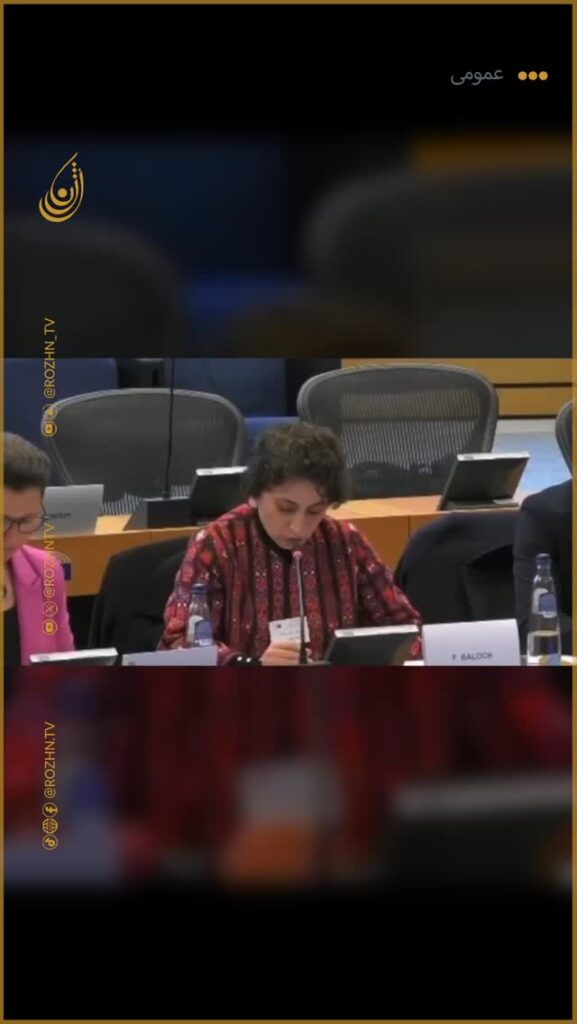
در نشست رسمی پارلمان اروپا در بروکسل فریبا بلوچ فعال حقوق بشر با هشدار درباره پیامدهای سکوت جهانی اعلام کرد آنچه امروز در شهرهای مختلف ایران جریان دارد مردم بلوچ دهههاست تجربه میکنند
او گفت قطع کامل اینترنت به ابزاری برای پنهانسازی کشتار و نگهداشتن خانوادهها در بیخبری تبدیل شده و همین امر موجب نامشخص ماندن آمار واقعی کشتهشدگان و مجروحان شده است
فریبا بلوچ با اشاره به وضعیت بلوچستان تأکید کرد سرکوب تبعیض ساختاری فقر تحمیلی و کشتار در سکوت جهانی بیش از ۴۷ سال است که بر مردم بلوچ تحمیل شده و نمونههای آن در جمعههای خونین زاهدان و خاش با کشتهشدن بیش از ۱۲۰ نمازگزار دیده شده است
وی افزود پس از جنگ ۱۲روزه میان ایران و اسرائیل نیروهای حکومتی به بهانه حضور جاسوسان اسرائیلی به یکی از روستاهای بلوچستان یورش بردند که در پی آن ۱۲ زن بلوچ کشته یا زخمی شدند و نگرانیها درباره هدفگرفتن غیرنظامیان افزایش یافته است
او همچنین از گسترش اعتراضات در شهرهای بلوچستان همزمان با افزایش بازداشتهای گسترده شلیک مستقیم به معترضان شکنجه زندانیان و بازداشت کودکان خبر داد و گفت طبق گزارشهای حقوق بشری بیش از ۵۵۰ شهروند بلوچ در مدت کوتاهی بازداشت شدهاند در حالی که به دلیل قطع اینترنت آمار دقیق کشتهها همچنان مشخص نیست
ENFariba Baloch at the European Parliament: Global Silence Has Spread RepressionRead in English
Rozhn TV | Tuesday, January 27, 2026
At an official session of the European Parliament in Brussels, human rights activist Fariba Baloch warned of the consequences of global silence and said that what is happening today in various cities of Iran is what the Baloch people have experienced for decades.
She said the complete internet shutdown has become a tool for concealing killings and keeping families in the dark, and that this has left the true numbers of the dead and wounded unknown.
Referring to the situation in Balochistan, Fariba Baloch stressed that repression, structural discrimination, imposed poverty and killings, amid global silence, have been inflicted on the Baloch people for more than 47 years, with examples seen in the Bloody Fridays of Zahedan and Khash, in which more than 120 worshippers were killed.
She added that after the 12-day war between Iran and Israel, government forces raided one of the villages of Balochistan on the pretext of the presence of Israeli spies, as a result of which 12 Baloch women were killed or wounded, and concerns have grown about the targeting of civilians.
She also reported the spread of protests in the cities of Balochistan alongside a rise in mass arrests, direct shooting at protesters, torture of prisoners and the detention of children, and said that according to human rights reports more than 550 Baloch citizens have been arrested in a short period, while because of the internet shutdown the exact number of those killed is still unknown.