
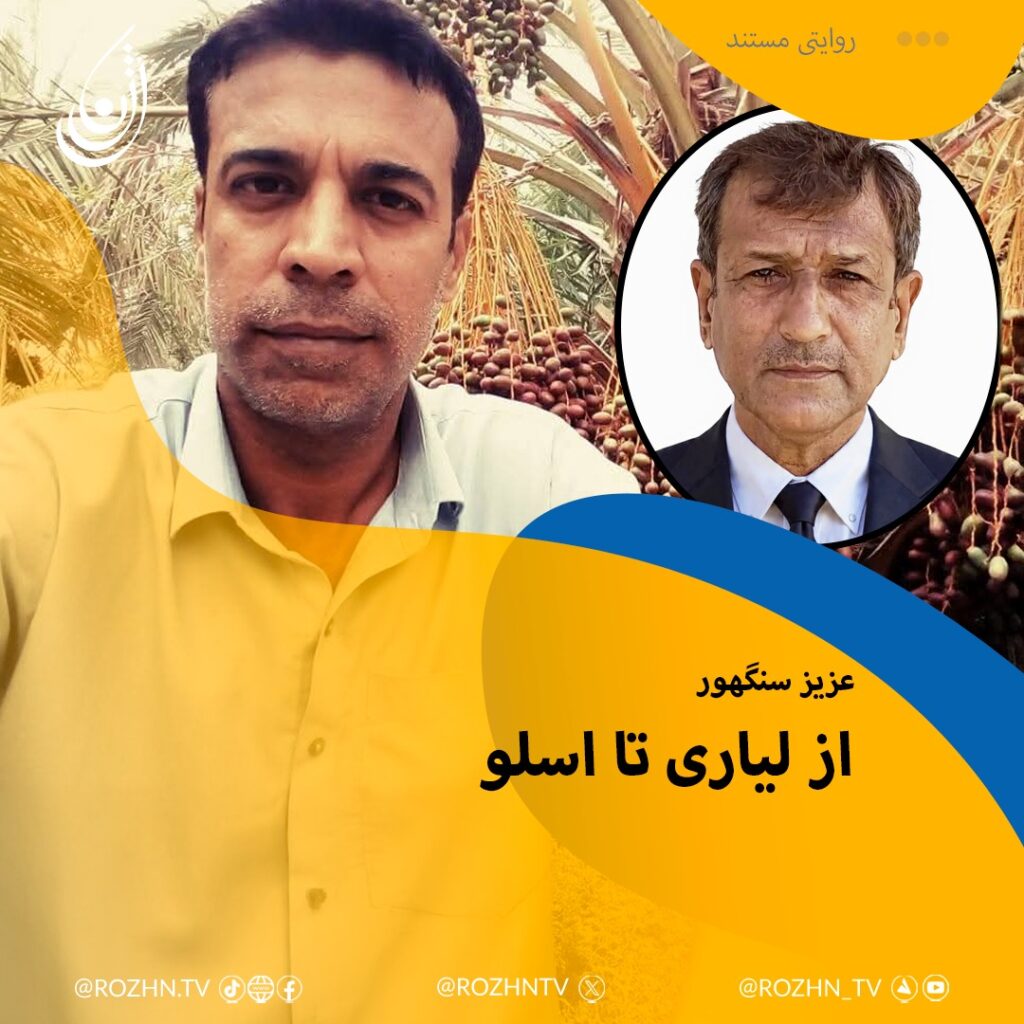
از لیاری تا اسلو
تلویزیون رُژن | چهارشنبه ۸ بهمن ۱۴۰۴ / ۲۸ ژانویه ۲۰۲۶
عزیز سنگھور
کراچی شهری است که کوچههایش تنها از سنگ و آجر ساخته نشدهاند، بلکه هر کوچه حامل تاریخ، سیاست و روایتهای مقاومت است. گلمحمد لین، از محلههای قدیمی لیاری، نیز یکی از همان کوچههاست؛ جایی که بار دیگر خبر یک ناپدیدسازی اجباری، شهر را تکان داده است. زاهد بارکزئی، فعال شناختهشده سیاسی بلوچ، در شب ۲۷ ژانویه ۲۰۲۶، حدود ساعت دو تا دو و نیم بامداد، طی یورشی به خانهاش بازداشت و به مکانی نامعلوم منتقل شد. خانوادهاش میگویند زاهد بارکزئی بیگناه است و برای بازیابی امن او درِ هر نهادی را میکوبند، اما مطابق معمول، پاسخ چیزی جز سکوت نیست.
این نخستینبار نیست که خانواده بارکزئی با چنین رنجی روبهرو میشود. این رویداد بیدرنگ ذهن را به سوی برادر زاهد، عارف بارکزئی، میبرد؛ کسی که مرگ رازآلودش هنوز هم بهعنوان پرسشی بیپاسخ باقی مانده است. عارف بارکزئی که در ۱۱ مارس ۱۹۷۸ در همان گلمحمد لین لیاری چشم به جهان گشود، دانشجویی باهوش، کنشگری ایدئولوژیک و دلباخته دانش و ادبیات بود. پدرش محمد نسیم بارکزئی کارمند شهرداری کراچی بود و عارف چهارمین فرزند خانواده بهشمار میرفت.
عارف بارکزئی فعالیت سیاسی خود را از بستر سازمان دانشجویان بلوچ (BSO) آغاز کرد. او تحت تأثیر اندیشه مارکسیستی بود و سیاست را نه صرفاً شعار، بلکه مبارزهای فکری میدانست. زندگی تحصیلی او نیز بازتاب همین جدیت بود. تحصیلات متوسطه را در مدرسه اسام لیاری و کالج دیجی ساینس به پایان رساند و سپس از دانشکده روابط بینالملل دانشگاه کراچی مدرک کارشناسی ارشد دریافت کرد. در سال ۲۰۰۲ برای ادامه تحصیل به سوئد رفت و در دانشگاه دالرنا در رشته روابط بینالملل فوقلیسانس گرفت. پس از آن، در سال ۲۰۰۶، مدرک کارشناسی ارشد دیگری را از دانشگاه اوپسالا دریافت کرد.
پس از پایان تحصیلات، مدتی به نروژ رفت و در خوابگاه دانشجویی شهر اسلو اقامت داشت. در دهم ژانویه ۲۰۰۸، جسد او در همان خوابگاه پیدا شد. پلیس اعلام کرد که مرگ او بر اثر سقوط از طبقه یازدهم رخ داده است، اما خانواده و دوستان نزدیکش این توضیح را نمیپذیرند. به باور آنان، این یک قتل مرموز بود که به شکل حادثه جلوه داده شد. این پرسش همچنان باقی است که چگونه یک دانشجوی آگاه، ایدئولوژیک و فعال، با آرزوها و برنامههای روشن، میتواند ناگهان با چنین سرنوشتی روبهرو شود؟
در ۱۷ ژانویه ۲۰۰۸، زمانی که پیکر عارف بارکزئی از اسلو به کراچی منتقل شد، هزاران ……
این تنها یک مراسم خاکسپاری نبود، بلکه بهنوعی تدفین یک اندیشه، یک رؤیا و یک پرسش بود؛ پرسشی که هنوز زنده است. عارف به کتاب عشق میورزید. خرید کتابهای دستدوم از پیادهروهای منطقه ریگل کراچی، بهویژه در روزهای یکشنبه، عادت همیشگی او بود. سیاست، تاریخ، فلسفه، علم و دین از موضوعات مورد علاقهاش بودند. او جوانی پرسشگر بود و شاید همین پرسشها برای برخی خوشایند نبود.
ریشههای خانواده بارکزئی به مناطق سراوان و پهره در بلوچستان غربی بازمیگردد؛ جایی که حدود دو قرن پیش از آنجا مهاجرت کرده و در لیاری کراچی ساکن شدند. لیاری، که خود نمادی از مقاومت، سیاست و فداکاری است، برای خانواده بارکزئی تنها محل سکونت نیست، بلکه بخشی از هویت آنان بهشمار میرود.
امروز، ناپدیدسازی اجباری زاهد بارکزئی بار دیگر ثابت میکند که اگرچه زمان تغییر کرده و چهرهها عوض شدهاند، اما شیوهها همان است. پرسش این نیست که زاهد بارکزئی کجاست؛ پرسش اصلی این است که از چه زمانی اختلاف نظر به جرم تبدیل شده است؟
بازیابی زاهد بارکزئی آزمونی است برای نظامی که خود را دموکراتیک و قانونمدار مینامد. اگر مرگ عارف بارکزئی یک پرسش بود، ناپدید شدن زاهد بارکزئی ادامه همان پرسش است.
تاریخ گواهی میدهد که پرسشها با سرکوب از میان نمیروند؛ بلکه از نسلی به نسل دیگر منتقل میشوند۔
ENFrom Lyari to OsloRead in English
Rozhn TV | Wednesday, January 28, 2026
Aziz Sanghur
Karachi is a city whose alleys are built not only of stone and brick: each one carries history, politics and stories of resistance. Gol Mohammad Lane, in the old Lyari neighborhood, is one of those alleys, a place where the news of an enforced disappearance has once again shaken the city. Zahid Barkezai, a well-known Baloch political activist, was arrested in a raid on his home on the night of January 27, 2026, at around 2:00 to 2:30 a.m., and taken to an unknown location. His family says Zahid Barkezai is innocent and is knocking on the door of every institution to secure his safe recovery, but as usual the only answer is silence.
This is not the first time the Barkezai family has faced such suffering. The incident immediately brings to mind Zahid’s brother, Aref Barkezai, whose mysterious death remains an unanswered question to this day. Aref Barkezai, who was born on March 11, 1978, in the same Gol Mohammad Lane in Lyari, was a bright student, an ideological activist and a lover of knowledge and literature. His father, Mohammad Naseem Barkezai, was an employee of the Karachi municipality, and Aref was the fourth child of the family.
Aref Barkezai began his political activity in the Baloch Students Organization (BSO). He was influenced by Marxist thought and saw politics not merely as slogans but as an intellectual struggle. His academic life reflected the same seriousness. He completed his secondary education at SM School Lyari and DJ Science College, and then earned a master’s degree from the Department of International Relations at the University of Karachi. In 2002 he went to Sweden to continue his studies and received a master’s degree in international relations from Dalarna University. After that, in 2006, he received another master’s degree from Uppsala University.
After finishing his studies, he went to Norway for a time and lived in a student dormitory in the city of Oslo. On January 10, 2008, his body was found in that same dormitory. The police announced that he died after falling from the eleventh floor, but his family and close friends do not accept this explanation. In their view, it was a mysterious murder made to look like an accident. The question remains: how could an aware, ideological and active student, with clear aspirations and plans, suddenly meet such a fate?
On January 17, 2008, when Aref Barkezai’s body was brought from Oslo to Karachi, thousands …
This was not merely a funeral but, in a sense, the burial of an idea, a dream and a question, a question that is still alive. Aref loved books. Buying second-hand books from the sidewalks of Karachi’s Regal area, especially on Sundays, was his lifelong habit. Politics, history, philosophy, science and religion were among his favorite subjects. He was a questioning young man, and perhaps those very questions were unwelcome to some.
The roots of the Barkezai family go back to the areas of Saravan and Pahra in western Balochistan, from where they migrated about two centuries ago and settled in Lyari, Karachi. Lyari, itself a symbol of resistance, politics and sacrifice, is for the Barkezai family not just a place of residence but part of their identity.
Today, the enforced disappearance of Zahid Barkezai proves once again that although times have changed and faces have changed, the methods are the same. The question is not where Zahid Barkezai is; the main question is since when has dissent become a crime.
The recovery of Zahid Barkezai is a test for a system that calls itself democratic and law-abiding. If Aref Barkezai’s death was a question, Zahid Barkezai’s disappearance is a continuation of that same question.
History testifies that questions do not disappear through repression; they are passed from one generation to the next.



