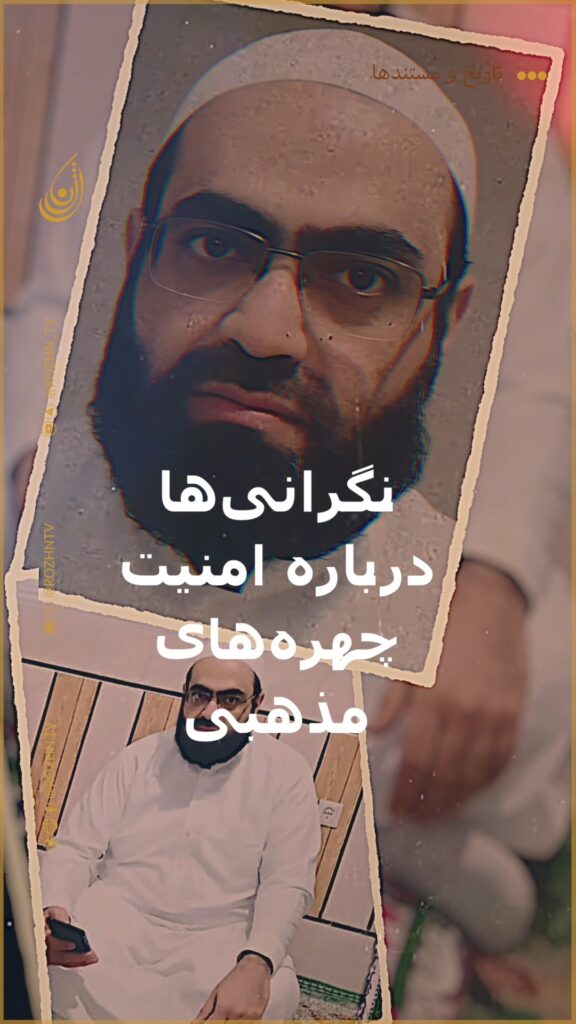
نگرانیها درباره امنیت چهرههای مذهبی
تلویزیون رُژن | شنبه ۲ اسفند ۱۴۰۴ / ۲۱ فوریه ۲۰۲۶
در هفتههای اخیر، موجی نگرانکننده از بازداشت، احضار و ربایش علمای دینی بلوچ در استان سیستان و بلوچستان گزارش شده است؛ روندی که پرسشهای جدی درباره امنیت، شفافیت و حقوق شهروندی در منطقه ایجاد کرده است.
تازهترین مورد، ربودهشدن مولوی عبدالغنی براهوئی چنال، ۴۲ ساله، فرزند حاج عبدالکریم، از بانیان مرکز جماعت تبلیغ در زاهدان است.
بر اساس اطلاعات دریافتی از منابع محلی، وی بامداد ۲۷ بهمنماه حوالی ساعت ۱۲:۳۰ مقابل منزل شخصی خود در خیابان رجاییشهر زاهدان توسط افرادی ناشناس که با یک خودروی پژو پارس سفید فاقد پلاک تردد میکردند، منتقل شده است.
در هفتههای اخیر نیز گزارشهایی درباره احضار و بازجویی برخی دیگر از علمای اهل سنت بلوچ منتشر شده است؛ موضوعی که نگرانیهایی را در میان بخشی از جامعه محلی ایجاد کرده است.
جامعه بلوچ همواره نقش علما را در حفظ آرامش و انسجام اجتماعی مهم دانسته است.
پرسش همچنان باقی است:
چه سازوکاری برای تضمین امنیت و حقوق شهروندی در چنین مواردی وجود دارد؟
ENConcerns Over the Safety of Religious FiguresRead in English
Rozhn TV | Saturday, February 21, 2026
In recent weeks, a worrying wave of arrests, summonses and abductions of Baloch religious scholars has been reported in Sistan and Baluchestan province; a trend that has raised serious questions about security, transparency and citizens’ rights in the region.
The latest case is the abduction of Molavi Abdolghani Brahui Chanal, 42, son of Haj Abdolkarim, one of the founders of the Tablighi Jamaat center in Zahedan.
According to information received from local sources, he was taken away in the early hours of February 16, around 12:30 a.m., in front of his private home on Rajaishahr Street in Zahedan by unidentified individuals traveling in a white Peugeot Pars without license plates.
In recent weeks, reports have also been published about the summoning and interrogation of other Sunni Baloch scholars; a matter that has caused concern among part of the local community.
The Baloch community has always regarded the role of scholars as important in preserving peace and social cohesion.
The question remains:
What mechanism exists to guarantee security and citizens’ rights in such cases?