روز جهانی زنان در جامعهٔ بلوچ
تلویزیون رُژن | یکشنبه ۱۷ اسفند ۱۴۰۴ / ۸ مارس ۲۰۲۶
عزیز سنگهور
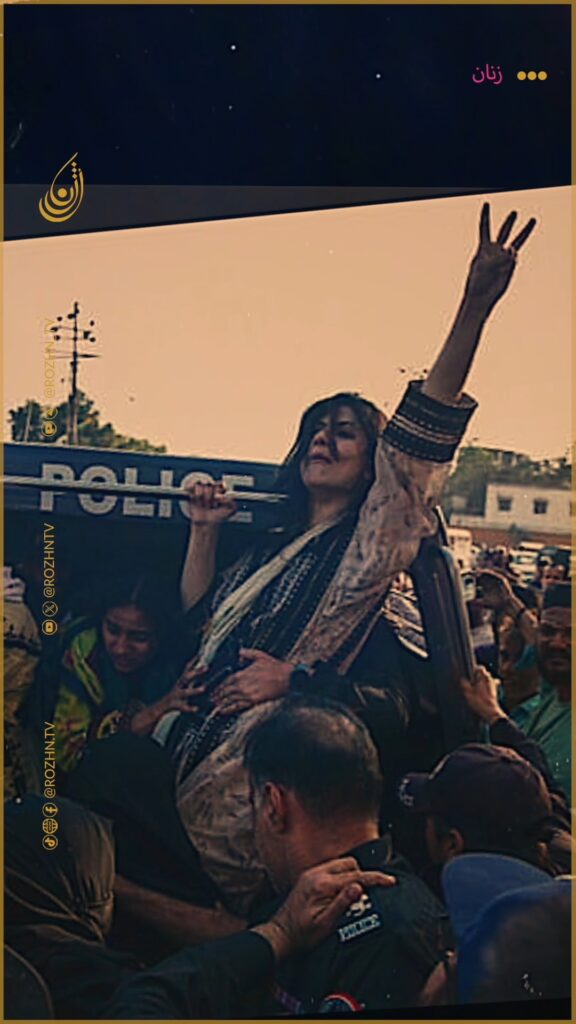
هر سال مانند گذشته، در هشتم مارچ روز جهانی زنان در سراسر جهان گرامی داشته میشود. هدف از این روز، ارج نهادن به مبارزات زنان برای حقوق، برابری و عدالت اجتماعی و نیز برجسته ساختن مشکلاتی است که زنان در جوامع مختلف با آن روبهرو هستند. اما در بلوچستان، معنای این روز تا اندازهای با سایر مناطق پاکستان متفاوت است. در حالی که در دیگر بخشهای پاکستان زنان برای حقوق برابر، آزادیهای اجتماعی و استقلال اقتصادی صدای خود را بلند میکنند، زنان بلوچ در خیابانها برای حقوق ابتدایی انسانی، پایان دادن به ناپدیدسازیهای اجباری و بازگرداندن عزیزان خود دست به اعتراض میزنند.
مبارزهٔ زنان در بلوچستان تنها به مسئلهٔ نابرابری جنسیتی محدود نمیشود، بلکه با مشکلات عمیق سیاسی، اجتماعی و حقوق بشری نیز گره خورده است. به همین دلیل، جنبش زنان بلوچ صرفاً به حقوق زنان محدود نمیماند، بلکه بخشی از یک مبارزهٔ گستردهتر انسانی و ملی به شمار میآید. حضور زنان بلوچ در خیابانها، باشگاههای مطبوعاتی، کمپهای اعتراضی و راهپیماییهای طولانی نشان میدهد که آنان دیگر حاضر نیستند در برابر بیعدالتیهای موجود در جامعهٔ خود سکوت کنند.
در یک سال گذشته، چندین تن از رهبران برجستهٔ زنان بلوچ در بازداشت دولتی به سر میبرند. از جمله میتوان به دکتر ماهرنگ بلوچ، کامریڈ بیبو و گلزادی بلوچ اشاره کرد. در عین حال، شمار زیادی از زنان بلوچ با محدودیتهای شدید مانند قرار گرفتن در فهرست «فورتھ شیڈول» روبهرو هستند. از سوی دیگر، سنگت دکتر صبیحه بلوچ ناچار به زندگی مخفی شده است. افزون بر این، شماری از زنان بلوچ نیز قربانی ناپدیدسازیهای اجباری شدهاند و تا امروز هیچ سرنوشتی از آنان در دست نیست.
این وضعیت نشان میدهد که فعالیتهای سیاسی و اجتماعی زنان در بلوچستان تا چه اندازه با فشارها و دشواریهای جدی روبهرو است.
یکی از ویژگیهای مهم مبارزات زنان بلوچ این است که آنان دیگر صرفاً نماد مظلومیت نیستند، بلکه به نماد آگاهی و مقاومت نیز تبدیل شدهاند. آنان نه تنها برای بازگرداندن عزیزان ناپدیدشدهٔ خود مبارزه میکنند، بلکه در عین حال آگاهی سیاسی گستردهتری را نیز در جامعه ترویج میدهند. به همین دلیل، کمپهای اعتراضی و راهپیماییهای زنان در بلوچستان نه تنها در سطح محلی، بلکه در سطح ملی و بینالمللی نیز توجه بسیاری را جلب کرده است.
ENInternational Women’s Day in Baloch SocietyRead in English
Rozhn TV | Sunday, March 8, 2026
Aziz Sanghur
Every year, as in the past, International Women’s Day is marked around the world on March 8. The aim of this day is to honor women’s struggles for rights, equality and social justice, and to highlight the problems women face in different societies. In Balochistan, however, the meaning of this day is somewhat different from other parts of Pakistan. While in other parts of Pakistan women raise their voices for equal rights, social freedoms and economic independence, Baloch women take to the streets to protest for basic human rights, an end to enforced disappearances and the return of their loved ones.
The struggle of women in Balochistan is not limited to the question of gender inequality; it is bound up with deep political, social and human rights problems. For this reason, the Baloch women’s movement is not confined to women’s rights alone but is considered part of a broader human and national struggle. The presence of Baloch women in the streets, press clubs, protest camps and long marches shows that they are no longer willing to remain silent in the face of the injustices in their society.
Over the past year, several prominent Baloch women leaders have been in state detention. These include Dr. Mahrang Baloch, Comrade Bibo and Gulzadi Baloch. At the same time, many Baloch women face severe restrictions, such as being placed on the “Fourth Schedule” list. Meanwhile, Comrade Dr. Sabiha Baloch has been forced to live in hiding. In addition, a number of Baloch women have also fallen victim to enforced disappearances, and to this day nothing is known of their fate.
This situation shows how seriously the political and social activities of women in Balochistan face pressures and difficulties.
One of the important features of the Baloch women’s struggle is that they are no longer merely a symbol of victimhood but have also become a symbol of awareness and resistance. They are not only fighting for the return of their disappeared loved ones but are at the same time promoting broader political awareness in society. For this reason, the protest camps and marches of women in Balochistan have drawn considerable attention not only at the local level but also nationally and internationally.