بنزین ارزان در برابر بردگیِ گران
تلویزیون رُژن | یکشنبه ۱۶ فروردین ۱۴۰۵ / ۵ آوریل ۲۰۲۶
عزیز سنگھور
در پاکستان هر بار که قیمت فرآوردههای نفتی افزایش مییابد، پرسشی با شدت مطرح میشود: آیا پاکستان نمیتواند از کشور همسایه، ایران، بنزین ارزان خریداری کند؟ در ظاهر این پرسش ساده و مردمی است، اما در واقعیت، پشت آن شبکهای پیچیده از سیاست جهانی، محدودیتهای اقتصادی و اولویتهای دولتی نهفته است که بدون درک آن، رسیدن به نتیجه ممکن نیست.
مانع اصلی، تحریمهای بینالمللی است. تحریمهای اقتصادی اعمالشده علیه ایران از سوی آمریکا و قدرتهای غربی، تجارت آزاد با این کشور را برای هر کشوری دشوار میسازد. این تحریمها تنها به تجارت محدود نمیشوند، بلکه نظام بانکی، نقلوانتقال مالی و دسترسی به بازارهای جهانی را نیز تحت تأثیر قرار میدهند.
از زمان تأسیس پاکستان تا امروز، یکی از مشکلات اساسی این کشور، ناتوانی در شکلدهی به یک سیاست اقتصادی و سیاسی مستقل و شفاف بوده است. در نتیجه، پاکستان همواره به وامها و کمکهای مالی خارجی وابسته بوده است. هر حکومتی—چه غیرنظامی و چه نظامی—برای بقای خود ناگزیر به تسلیم در برابر نهادهای مالی بینالمللی بوده است. این وضعیت پاکستان را در چرخهای گرفتار کرده که در آن هر تصمیم اقتصادی بزرگ تحت فشارهای خارجی اتخاذ میشود.
در چنین شرایطی، خرید مستقیم بنزین از ایران تنها یک قرارداد تجاری نیست، بلکه یک اعلامیه سیاسی محسوب میشود—اعلامیهای که میتواند پاکستان را در مسیر تقابل با قدرتهای جهانی، بهویژه آمریکا، قرار دهد. در وضعیت کنونی، اسلامآباد نه توان اقتصادی چنین تصمیمی را دارد و نه جسارت سیاسی آن را.
پروژه خط لوله گاز ایران-پاکستان نمونه روشنی از این واقعیت است. این پروژه سالها بهعنوان نماد همکاری انرژی میان دو کشور مطرح بوده، اما هرگز به مرحله اجرا نرسیده است. هر بار که تلاشی برای پیشبرد آن صورت گرفته، فشارهای بینالمللی و تحریمها مانع شدهاند. این پروژه همچنان روی کاغذ زنده است، اما در عمل وجودی ندارد.
واقعیت تلخ این است که سیاست انرژی پاکستان کاملاً مستقل نیست. این سیاست تحت تأثیر قدرتهای جهانی، نهادهای مالی و ژئوپولیتیک منطقه شکل میگیرد. در چنین فضایی، رؤیای خرید بنزین ارزان از ایران تنها یک مسئله اقتصادی نیست، بلکه نیازمند جسارت سیاسی است—جسارتی که در طبقات حاکم کنونی دیده نمیشود.
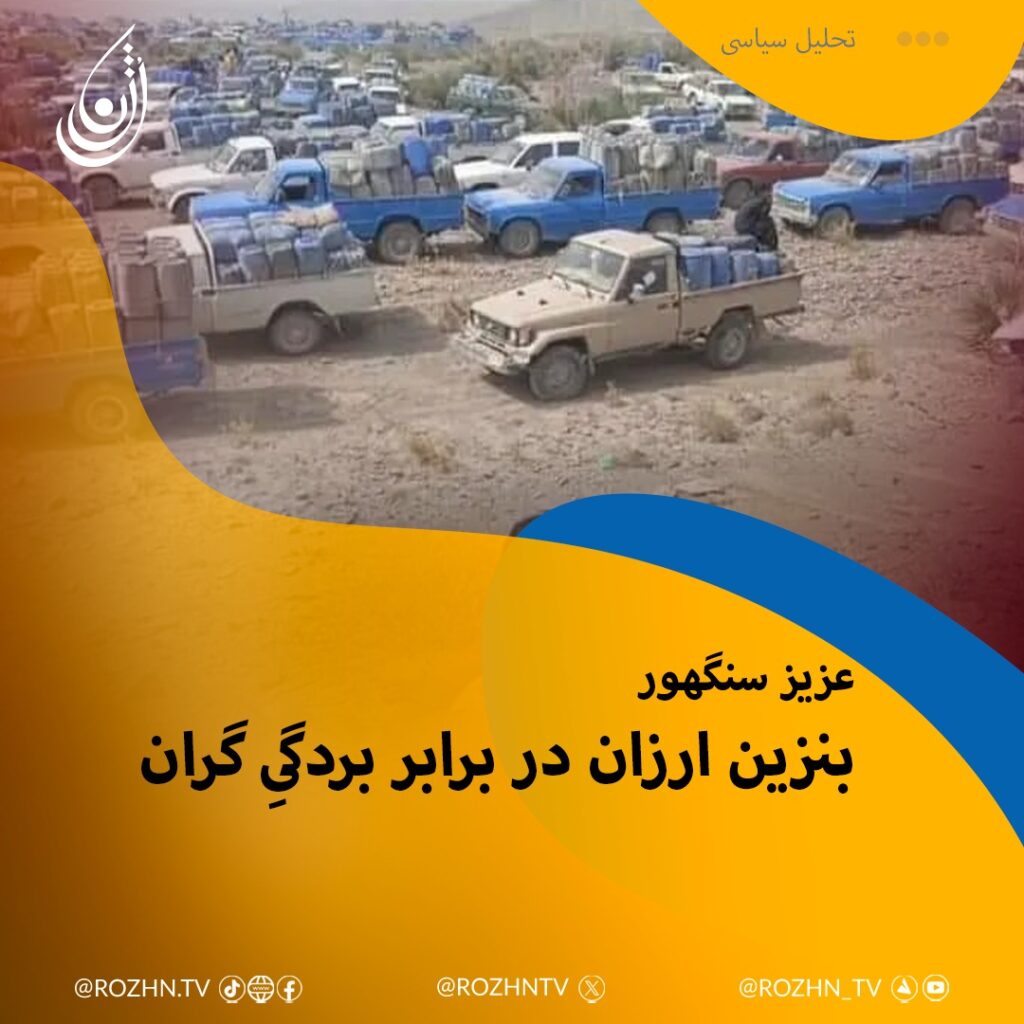
نکته مهم دیگری که اغلب نادیده گرفته میشود، واقعیتهای میدانی مناطق مرزی است. در سوی ایران «بلوچستان غربی» و در سوی پاکستان «بلوچستان شرقی» قرار دارد، جایی که مردم بلوچ از دیرباز در دو سوی مرز زندگی کردهاند. میان این مردم پیوندهای فرهنگی، اجتماعی و اقتصادی عمیقی وجود دارد. به همین دلیل، تجارت محلی—بهویژه در زمینه سوخت—همواره جریان داشته است.
با این حال، در دوره اخیر، مقامات پاکستانی محدودیتهای سختی بر این تجارت مرزی اعمال کردهاند که نهتنها اقتصاد غیررسمی را تضعیف کرده، بلکه معیشت صدها هزار نفر را نیز به خطر انداخته است. از دیدگاه دولتی، این اقدامات بر اساس ملاحظات قانونی و امنیتی انجام شدهاند، اما واقعیت میدانی نشان میدهد که این محدودیتها فشار اقتصادی بیشتری بر مردم محلی وارد کردهاند.
«خط گلدسمیت» که حدود نهصد کیلومتر طول دارد، مرز میان دو کشور را تشکیل میدهد و از مناطق چاغی، واشک، پنجگور، کیچ و گوادر عبور میکند. با وجود این مرز طولانی، سطح تجارت رسمی میان دو کشور بسیار ناچیز است که خود یک فاجعه اقتصادی محسوب میشود. اگر این مرز به یک گذرگاه مؤثر تجاری تبدیل شود، میتواند هم اقتصاد محلی را تقویت کند و هم روابط دوجانبه را بهبود بخشد.
اما باز هم همان پرسش مطرح میشود: آیا پاکستان آنقدر مستقل است که بتواند سیاستهای مرزی و انرژی خود را با اختیار کامل تنظیم کند؟
در نهایت، پرسش این نیست که آیا خرید بنزین از ایران ممکن است یا نه، بلکه سؤال اصلی این است که آیا پاکستان از آن میزان استقلال اقتصادی و سیاسی برخوردار است که بتواند برای مردم خود منابع انرژی ارزان را انتخاب کند؟
تا زمانی که پاسخ این پرسش منفی است، بنزین ارزان ایرانی برای مردم پاکستان تنها یک رؤیا باقی خواهد ماند—رؤیایی که آنسوی مرز به واقعیت تبدیل شده، اما در اینسو فقط بهصورت حسرت، محرومیت و انتظار زنده است.
ENCheap Petrol Versus Costly ServitudeRead in English
Rozhn TV | Sunday, April 5, 2026
Aziz Sanghur
In Pakistan, every time the price of petroleum products rises, a question is raised with force: can’t Pakistan buy cheap petrol from its neighbor, Iran? On the surface the question seems simple and populist, but in reality behind it lies a complex web of global politics, economic constraints and government priorities, and without understanding it, reaching a conclusion is not possible.
The main obstacle is international sanctions. The economic sanctions imposed on Iran by the United States and Western powers make free trade with that country difficult for any nation. These sanctions are not limited to trade; they also affect the banking system, financial transfers and access to global markets.
Since the founding of Pakistan until today, one of the country’s fundamental problems has been its inability to shape an independent and transparent economic and political policy. As a result, Pakistan has always depended on foreign loans and financial aid. Every government, civilian or military, has had to submit to international financial institutions in order to survive. This situation has trapped Pakistan in a cycle in which every major economic decision is made under foreign pressure.
Under such conditions, buying petrol directly from Iran is not merely a commercial contract but a political declaration, one that could put Pakistan on a path of confrontation with global powers, especially the United States. In the current situation, Islamabad has neither the economic capacity for such a decision nor the political courage.
The Iran-Pakistan gas pipeline project is a clear example of this reality. For years it has been presented as a symbol of energy cooperation between the two countries, but it has never reached the implementation stage. Every time an attempt was made to advance it, international pressure and sanctions stood in the way. The project remains alive on paper, but in practice it does not exist.
The bitter truth is that Pakistan’s energy policy is not fully independent. It is shaped by global powers, financial institutions and the geopolitics of the region. In such an atmosphere, the dream of buying cheap petrol from Iran is not only an economic matter but requires political courage, a courage that is not seen in the current ruling classes.
Another important point that is often overlooked is the realities on the ground in the border areas. On the Iranian side lies “Western Balochistan” and on the Pakistani side “Eastern Balochistan,” where the Baloch people have long lived on both sides of the border. There are deep cultural, social and economic ties among these people. For this reason, local trade, especially in fuel, has always flowed.
However, in the recent period, Pakistani authorities have imposed harsh restrictions on this border trade, which has not only weakened the informal economy but also endangered the livelihoods of hundreds of thousands of people. From the government’s perspective, these measures were taken on legal and security grounds, but the reality on the ground shows that these restrictions have put even more economic pressure on local people.
The “Goldsmid Line,” which is about nine hundred kilometers long, forms the border between the two countries and passes through the areas of Chagai, Washuk, Panjgur, Kech and Gwadar. Despite this long border, the level of official trade between the two countries is very small, which in itself is considered an economic disaster. If this border becomes an effective trade crossing, it could both strengthen the local economy and improve bilateral relations.
But again the same question arises: is Pakistan independent enough to set its border and energy policies with full authority?
Ultimately, the question is not whether buying petrol from Iran is possible, but whether Pakistan enjoys enough economic and political independence to choose cheap energy sources for its people.
As long as the answer to this question is no, cheap Iranian petrol will remain only a dream for the people of Pakistan, a dream that has become reality on the other side of the border, but on this side survives only as longing, deprivation and waiting.