
عبور از خط سرخ
تلویزیون رُژن | دوشنبه ۷ اردیبهشت ۱۴۰۵ / ۲۷ آوریل ۲۰۲۶
نویسنده عزیز سنگھور
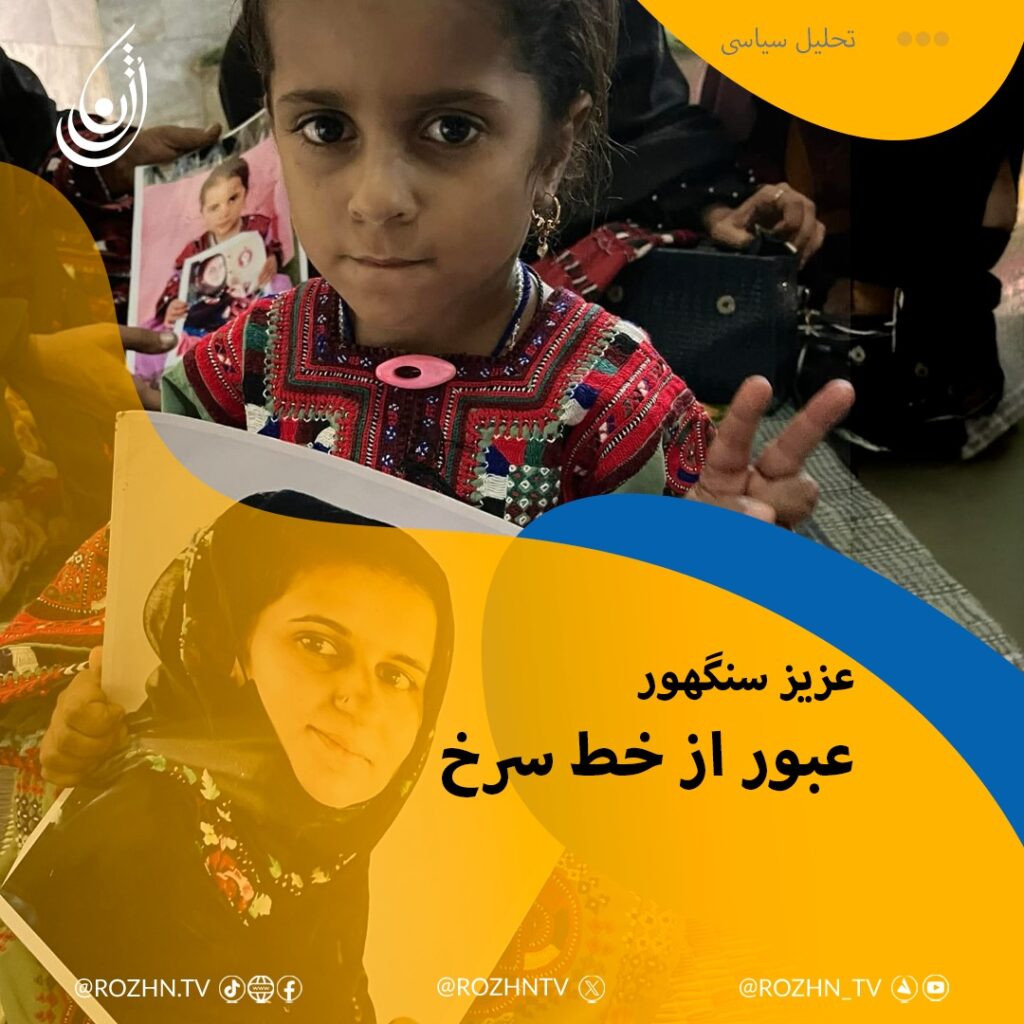
ناپدیدسازی اجباری زنان نه تنها موضوعی نگرانکننده تلقی میشود، بلکه در گزارشها بهعنوان یکی از چالشهای جدی در سطح حکمرانی مطرح شده است زیرا این روند بهجای کاهش در برخی روایتها در حال گسترش توصیف شده و اکنون زنان و دانشجویانی را نیز در بر میگیرد که در هر جامعهای نیازمند بیشترین سطح حفاظت هستند
استفاده از زور نادیده گرفتن الزامات قانونی و مطرح شدن اتهامات علیه خانوادههای معترض در برخی گزارشها چنین برداشت میشود که بهجای حل مسئله رویکردهای سختگیرانه در پیش گرفته شده است اگر نهادهای مسئول همچنان در انجام مسئولیتهای خود با چالش مواجه باشند این وضعیت میتواند با اصول مطرحشده در قانون اساسی در تضاد قرار گیرد و به کاهش اعتماد میان دولت و شهروندان منجر شود
در ۲۱ اپریل ۲۰۲۶ گزارش شده است که داد شاه بلوچ برای دومین بار ناپدید شده است پس از این رویداد اعضای خانواده او در وضعیت نامشخصی قرار گرفتهاند و بنا بر گفتههای آنان تاکنون اطلاعات روشنی درباره محل نگهداری وی ارائه نشده است روز شنبه اعضای خانواده او در برابر باشگاه مطبوعات کراچی تجمعی مسالمتآمیز برگزار کردند که هدف آن جلب توجه عمومی به این موضوع عنوان شده است
در ادامه این رویدادها گزارشهایی منتشر شده که نشان میدهد نیروهای پولیس در محل تجمع اقدام به بازداشت معترضان کردهاند همچنین گفته میشود پروندههایی علیه برخی از اعضای خانواده از جمله فوزیه بلوچ و دیگر نزدیکان وی ثبت شده است این موارد در برخی روایتها بهعنوان تلاش برای محدود کردن اعتراضات توصیف شده است
در شهر کویته نیز گزارشهایی از ناپدید شدن یک دانشجوی پرستاری به نام خدیجه بلوچ منتشر شده است که به گفته منابع محلی در شب ۲۱ اپریل از خوابگاه یک مرکز آموزشی منتقل شده است
در پی این رویداد تجمعات اعتراضی از سوی دانشجویان اعضای خانواده و برخی فعالان اجتماعی برگزار شده و همچنان ادامه دارد شرکتکنندگان اعلام کردهاند که در جریان این تجمعات با محدودیتها و اقدامات نظارتی مواجه بودهاند که به گفته آنان فضای نگرانی ایجاد کرده است
در همین حال گزارشهایی از برگزاری راهپیمایی مسالمتآمیز در کویته منتشر شده است که در آن شرکتکنندگان خواستار روشن شدن وضعیت خدیجه بلوچ پایان دادن به موارد مشابه و افزایش شفافیت در روندهای رسمی شدهاند
در برخی گزارشها همچنین به موارد مشابه در مناطق دیگر بلوچستان اشاره شده است از جمله در نال استخلی و سنگآباد که گفته میشود چند نفر از جمله زنان بازداشت و به مکانهای نامعلوم منتقل شدهاند که این موضوع موجب نگرانی خانوادهها شده است
بر اساس گزارشهای منتشرشده در ماه جاری چندین مورد از ناپدید شدن زنان گزارش شده و در ماههای گذشته نیز مواردی مشابه مطرح شده است که این موضوع در سطح اجتماعی بهعنوان یک نگرانی قابل توجه مورد بحث قرار گرفته است
در مجموع این وضعیت بهعنوان یک چالش مهم برای نهادهای مسئول در مناطق سند و بلوچستان مطرح شده است و در برخی تحلیلها اشاره میشود که تداوم این روند میتواند پیامدهایی برای اعتماد عمومی و ثبات اجتماعی به همراه داشته باشد
این مطلب یک یادداشت تحلیلی ارسالی است و مسئولیت محتوای آن بر عهدۀ نویسنده میباشد
ENCrossing the Red LineRead in English
Rozhn TV | Monday, April 27, 2026
Author: Aziz Sanghur
The enforced disappearance of women is not only regarded as a worrying issue; reports also describe it as one of the serious challenges at the level of governance, because instead of declining, the trend is described in some accounts as spreading and now includes women and students, who in any society need the highest level of protection.
The use of force, disregard for legal requirements, and the bringing of charges against protesting families lead some reports to the impression that harsh approaches have been adopted rather than solving the problem. If the responsible bodies continue to struggle to carry out their duties, this situation could conflict with the principles set out in the constitution and lead to a decline in trust between the state and citizens.
On April 21, 2026, it was reported that Dad Shah Baloch had disappeared for the second time. Since this incident, members of his family have been in an uncertain situation and, according to them, no clear information has so far been provided about where he is being held. On Saturday, members of his family held a peaceful gathering in front of the Karachi Press Club, the stated aim of which was to draw public attention to the issue.
Following these events, reports have been published indicating that police arrested protesters at the gathering site. It is also said that cases have been registered against some family members, including Fozia Baloch and other relatives of his. In some accounts, these measures are described as an attempt to restrict protests.
In Quetta, too, reports have been published of the disappearance of a nursing student named Khadija Baloch, who, according to local sources, was taken from the hostel of an educational center on the night of April 21.
Following this incident, protest gatherings have been held by students, family members and some social activists, and they are continuing. Participants have said that during these gatherings they faced restrictions and surveillance measures, which, according to them, created an atmosphere of worry.
Meanwhile, reports have been published of a peaceful march in Quetta, in which participants demanded that Khadija Baloch’s situation be clarified, that similar cases be ended, and that transparency in official procedures be increased.
Some reports also refer to similar cases in other parts of Balochistan, including Nal, Istakhli and Sangabad, where several people, including women, are said to have been detained and taken to unknown locations, which has caused concern among families.
According to published reports, several cases of women disappearing have been reported this month, and similar cases were raised in previous months as well, an issue that has been discussed in society as a significant concern.
Overall, this situation has been presented as a major challenge for the responsible bodies in the regions of Sindh and Balochistan, and some analyses note that continuation of this trend could have consequences for public trust and social stability.
This piece is an analytical opinion submission, and responsibility for its content rests with the author.



